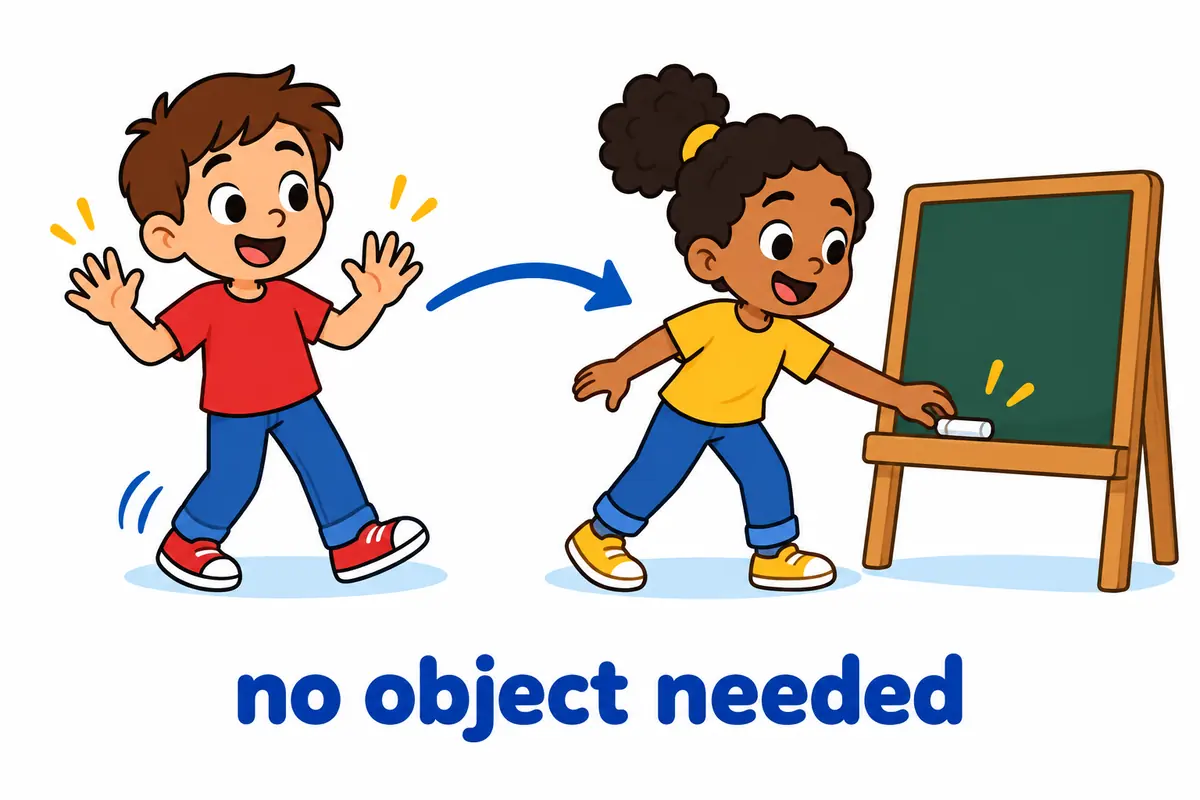
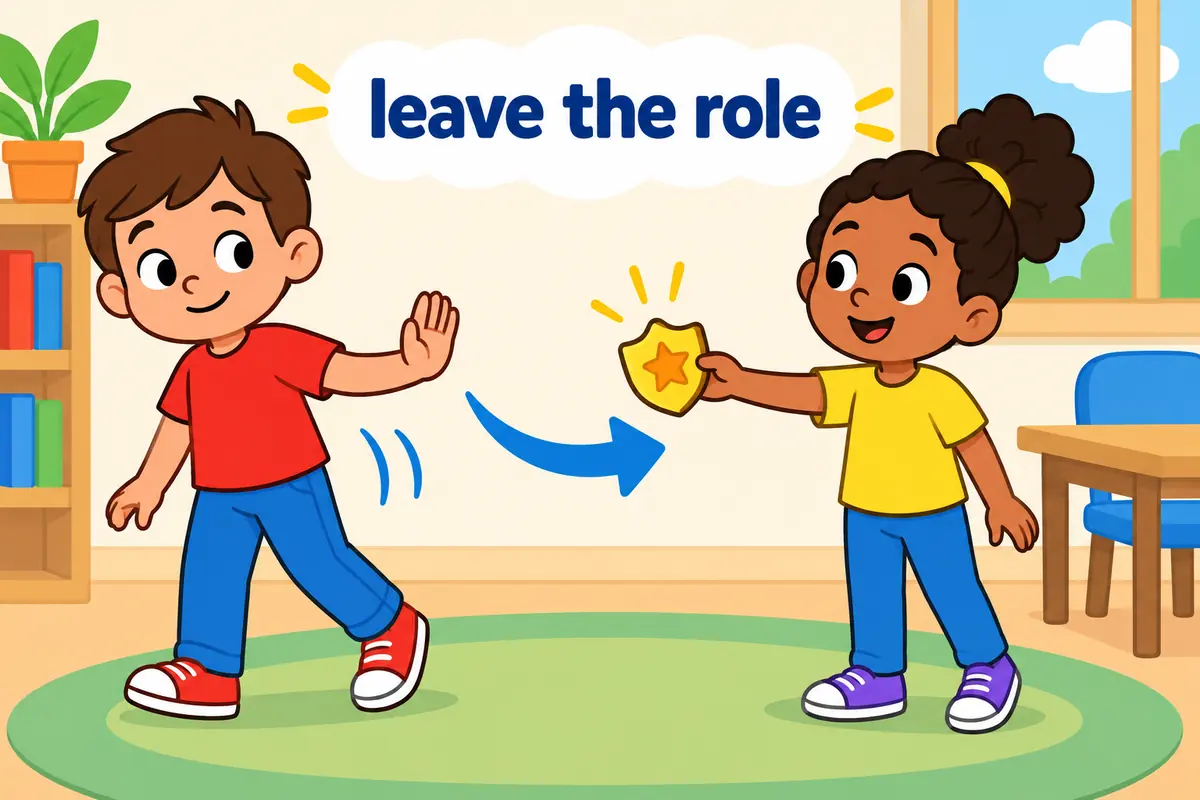
Stand down means to withdraw from a role, a contest or a state of alert, usually so that someone else can take over. To use stand down in a sentence, treat it as one verb that takes no object: “The captain stood down after the inquiry.” The object-free pattern is the one to learn first.
Stand down at a glance
- Stand down is a phrasal verb; its past tense is stood down, never stand downed.
- In its usual sense it is intransitive and inseparable, taking no object.
- Its senses are withdrawing from a role or contest, ending an alert, and, in British use, suspending someone from duty.
- The hyphenated noun stand-down names a pause in operations or an alert that has been cancelled.
- The commonest error is adding an object, as in she stood down her job.
What does stand down mean?
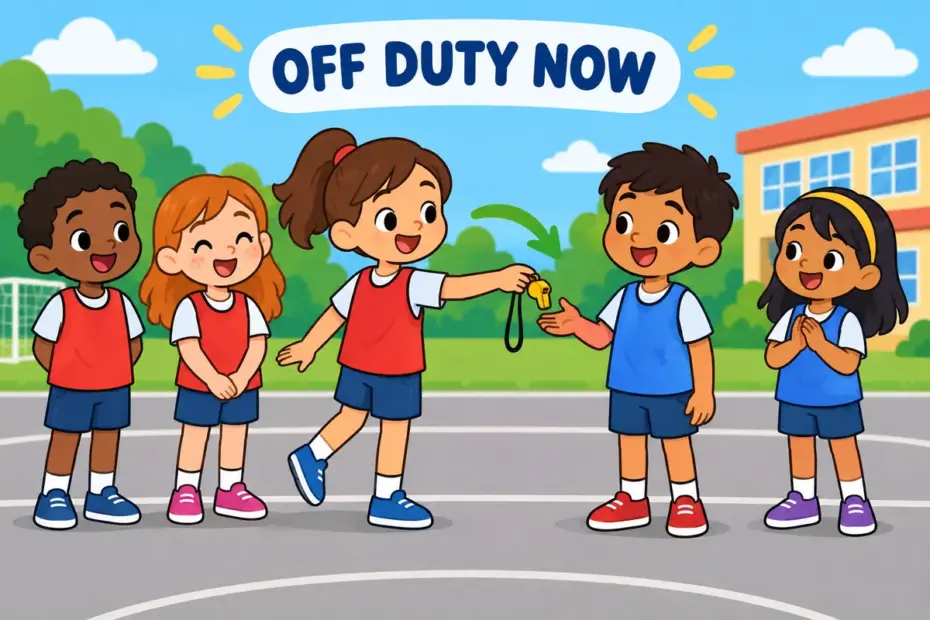
Stand down is a phrasal verb meaning to leave a position, step out of a contest, or come off a state of readiness. The Cambridge entry for stand down records the senses of leaving a job or position and of ending an alert. A captain can stand down at the end of a season, a rescue team can stand down once the search is over, and an officer can be stood down while a complaint is checked. All three share the idea of coming off duty or out of the line.
| Sense | Plain meaning | Example sentence |
|---|---|---|
| Resign or withdraw | Give up a post or a contest | The minister stood down before the vote. |
| End an alert | Return from a state of readiness | The rescue team stood down at dawn. |
| Suspend from duty, British | Remove someone while an issue is checked | The officer was stood down pending review. |
| Leave the witness box, British legal | Finish giving evidence | The witness withdrew from the box and stood down. |
One limitation is worth stating plainly. Stand down does not mean to be dismissed or to fail. It often describes a voluntary step, and in its alert sense it is neutral and expected. A person who stands down may return to the same role later, so the word should not carry a judgment that the departure was forced.
How do you use stand down in a sentence?
Stand down is intransitive in almost every sentence, and the frames below show how the role or the alert is named after the verb. Separability is the detail that trips writers, so it is worth fixing now: in the intransitive sense the particle down cannot be separated from stand, and no object may appear. The British suspension sense is the single exception, because it is transitive and can form both stand someone down and the passive be stood down.
| Pattern | Example | What it signals |
|---|---|---|
| stand down | The chair stood down at the end of term. | Intransitive; the person leaves a role. |
| stand down as + role | She stood down as treasurer. | Names the post being given up. |
| stand down from + role | He stood down from the committee. | Names the body or contest being left. |
| be stood down | The crew were stood down in minutes. | Passive; the alert ended or a duty paused. |
| stand someone down, British | The chief stood the officer down. | The only separable, transitive use. |
| stand down + time phrase | The guard stood down at noon. | Fixes when the alert ended. |
The particle may not be stranded before the subject in the intransitive sense, so down never moves to the front. In the transitive sense it sometimes can, and a chief who stood the officer down has also stood down the officer, but that flexibility does not carry over to the everyday use.
Stand down in a sentence: examples across contexts
Stand down moves easily between sport, work, emergency services and politics, and each context stresses a different part of the meaning. Notice that no example gives the verb an object.
| Context | Example sentence | Why this works |
|---|---|---|
| Sport | The skipper stood down for the final match to let a younger player lead. | Shows a voluntary withdrawal that helps the team. |
| Workplace email | I will stand down from the rota while the audit runs. | The first person is natural for a temporary step back. |
| Emergency services | Mountain rescue stood down once the walkers were found. | The alert sense needs no object. |
| News report | The mayor stood down as chair after the vote of no confidence. | The as-role pattern names the post precisely. |
| Military writing | The unit was stood down at first light. | The passive reports an order, not a personal choice. |
| Legal report | The witness stood down after forty minutes of questions. | The courtroom sense reads without any object. |
| Committee minutes | Two trustees stood down at the annual meeting. | A plain plural subject keeps the register formal. |
| Conversation | He stood down from the quiz team when work got busy. | The from-pattern sounds natural in speech. |
Where the step is a quiet refusal to continue an argument rather than a role, back down from a fight is the closer idiom, and it shares the same particle but not the sense of duty.
Stand down vs step down and resign
Stand down overlaps with step down and resign, and the three differ in what is being given up. Stand down widens to roles and alerts; step down points at senior rank; resign points at employment. The step down from a post page keeps the rank sense, while resign from a job covers the employment sense.
| Attribute | stand down | step down | resign |
|---|---|---|---|
| What is given up | A role, a contest or an alert | A senior position or rank | A job |
| Typical subject | A person, a committee, a team | A senior official | An employee |
| Usual trigger | End of duty, or a handover | Pressure or a planned handover | Any reason, including a new job |
| Temporary? | Often yes, especially for alerts | Usually permanent | Permanent |
| Register | Neutral to formal, common in services | Formal, common in business news | Neutral and everyday |
Verdict: use stand down for a duty or an alert and often for a committee role, step down for a senior post, and resign for a job. When a leader gives up power altogether, yield control or abdicate can be more exact still.
Word forms and grammar of stand down
Stand down builds its forms from the irregular verb stand, so the past is stood and the participle is stood as well. The hyphenated noun is a separate entry worth recognising in news writing.
| Form | Part of speech | Example |
|---|---|---|
| stand down | phrasal verb, base | They will stand down at midnight. |
| stands down | phrasal verb, third person | The captain stands down each May. |
| stood down | phrasal verb, past and participle | The guard stood down; the team had stood down earlier. |
| standing down | phrasal verb, participle | She is standing down from the board. |
| stand-down | hyphenated noun | A stand-down halted work for an hour. |
| stand-in | related noun, different phrase | A stand-in covered the role for a week. |
The near neighbour stand in keeps the base verb stand but reverses the direction: a stand-in takes a role on, while a person who stands down steps out of it.
Common mistakes with stand down
- Incorrect:
She stand downed from the committee last year.Correct: She stood down from the committee last year. Rule: Stand is irregular, so the past of the phrasal verb is stood down. - Incorrect:
He stood down his job to travel.Correct: He resigned from his job to travel. Rule: Stand down is intransitive, so it cannot take a job as its object. - Incorrect:
The team stood down the alert at dawn.Correct: The team stood down at dawn, or the alert was cancelled at dawn. Rule: In the alert sense stand down stays intransitive and takes no object. - Incorrect:
She stood down as to become treasurer.Correct: She stood down as treasurer. Rule: The as-pattern takes a noun phrase directly, not a to-infinitive. - Incorrect:
The rescue team laid down after the search.Correct: The rescue team stood down after the search. Rule: Lay down means to put something down; stand down is the duty sense.
Practice using stand down
Work through the six items, then read the reasons, paying attention to the missing object.
- Fill the gap: The night shift ______ down when the storm passed.
- Choose the better word: After twenty years, the chief executive agreed to (stand down / stand by) as chair.
- Correct the error: He stood down his seat on the council.
- Build a sentence: use stand down from about a player leaving a squad.
- Spot the register: which belongs in a fire service log: the crew stood down at 06:40, or everyone just kinda stood down, no biggie?
- Rewrite in the passive: The commander stood the unit down. Begin with The unit.
Answers
- stood, because the past of stand is stood and the verb keeps its particle.
- stand down, because the chair is a role being given up, not a duty being kept.
- He stood down from his seat on the council, because stand down takes no direct object.
- Model answer: The winger stood down from the squad before the final.
- The crew stood down at 06:40, because a log is formal and avoids slang.
- The unit was stood down by the commander, because the transitive sense forms a passive.
The bottom line
Use stand down in a sentence when someone leaves a role, contest or alert, and keep it intransitive so no object follows the verb. The two nuances that decide most sentences are these: the particle cannot be separated in the everyday sense, and the past is stood down, not stand downed. Reserve the transitive pattern for the British suspension sense, where a person can be stood down while an issue is reviewed.
Frequently asked questions about stand down
Is stand down one word or two?
As a verb it is always two words, as in the captain stood down. The hyphenated form stand-down is a noun and names a pause in work, an alert that has ended, or a planned break in a schedule. Choosing the noun form for a verb, or the verb form for a noun, is the commonest slip.
What is the past tense of stand down?
The past tense is stood down, and the past participle is also stood down. The base verb stand is irregular, so the form stand downed never appears. In the passive, the same participle is used, as in the crew was stood down at dawn after the search ended.
Does stand down mean being fired?
Not usually. In its common senses stand down is neutral or voluntary, describing a handover or the end of an alert. The British suspension sense can carry a hint of trouble, because someone is stood down while a complaint is checked, but even then the person may return to duty afterwards.
Can I use stand down with an object?
Only in the British suspension sense, as in the chief stood the officer down, which also forms the passive be stood down. In every other sense the verb is intransitive, so an object is a mistake. When you want an object, switch to resign, hand over or cancel.