Past vs passed sound the same, but only one is a verb. Past works as a noun, an adjective, a preposition or an adverb, as in the past and walk past, while passed is the past tense of the verb pass, as in she passed the test. One names time or place; the other shows an action.
Past vs Passed at a glance
- Past and passed sound identical, so the difference is grammar.
- Past can be a noun, an adjective, a preposition or an adverb.
- Passed is only a verb form, the past tense of pass.
- If the sentence needs an action, choose passed.
- The commonest error is writing past where the verb passed is needed.
What does past mean and what does passed mean?
Past names earlier time or a position beyond a point, and it works as a noun, adjective, preposition or adverb. Passed is the past tense and past participle of the verb pass, meaning to go by, to hand over, or to succeed. The Cambridge entry for past and the Cambridge entry for passed confirm the split, and one line shows it: the past is over, but the runner passed the line.
| Sense | Word | Plain meaning | Example |
|---|---|---|---|
| Earlier time | past | The time before now, a noun | The past holds many lessons. |
| Gone by | past | Former, an adjective | The past year was unusually busy. |
| Beyond or later than | past | By or beyond, a preposition | The shop is past the bridge. |
| Moving by | past | Going by, an adverb | She walked past without a word. |
| Went by | passed | Moved beyond, the verb | The bus passed the stop. |
| Met the standard | passed | Succeeded, the verb | He passed the driving test. |
Past never carries the action on its own, and passed never does the work of a noun or a preposition. That division is the whole test, because a sentence needs either a describing or naming word in the past slot, or a verb in the passed slot.
What is the difference between past and passed?
The difference is that passed is a verb and past is not. Past fills four other roles, naming time, describing what has gone, pointing beyond a place, or showing movement, while passed always reports an action that has already happened. A near-miss pair such as addition vs edition fails in a similar way, and a one-letter trap such as abel vs able shows how spelling decides meaning.
| Test | Past | Passed |
|---|---|---|
| Part of speech | noun, adjective, preposition or adverb | verb form only |
| Core meaning | time gone by, or beyond | went by, handed over, succeeded |
| Sound | same as passed | same as past |
| Spelling clue | one s | two s |
| Typical partner | the past, walk past | passed the test, passed the salt |
| Common error | past for the verb | passed for the preposition |
Choose past when the sentence names time, describes a former thing, or points beyond a place, and choose passed when the sentence reports an action.
How do you use past and passed in a sentence?
Both words follow fixed patterns, and asking what the slot needs is a faster test than the meaning. To watch the first word behave, read past in a sentence.
| Pattern | Example | What it signals |
|---|---|---|
| the past | The past cannot be changed. | a noun for earlier time |
| past + noun | She learned from past mistakes. | an adjective meaning former |
| past + place or time | The bakery is past the lights. | a preposition meaning beyond |
| walk or drive past | We drove past the old house. | an adverb meaning moving by |
| passed + object | She passed the salt. | handing something over |
| passed + test or exam | He passed his driving test. | succeeding at something |
| passed away | Her grandfather passed away last year. | a gentle phrase for dying |
| time passed | Two hours passed quickly. | time going by |
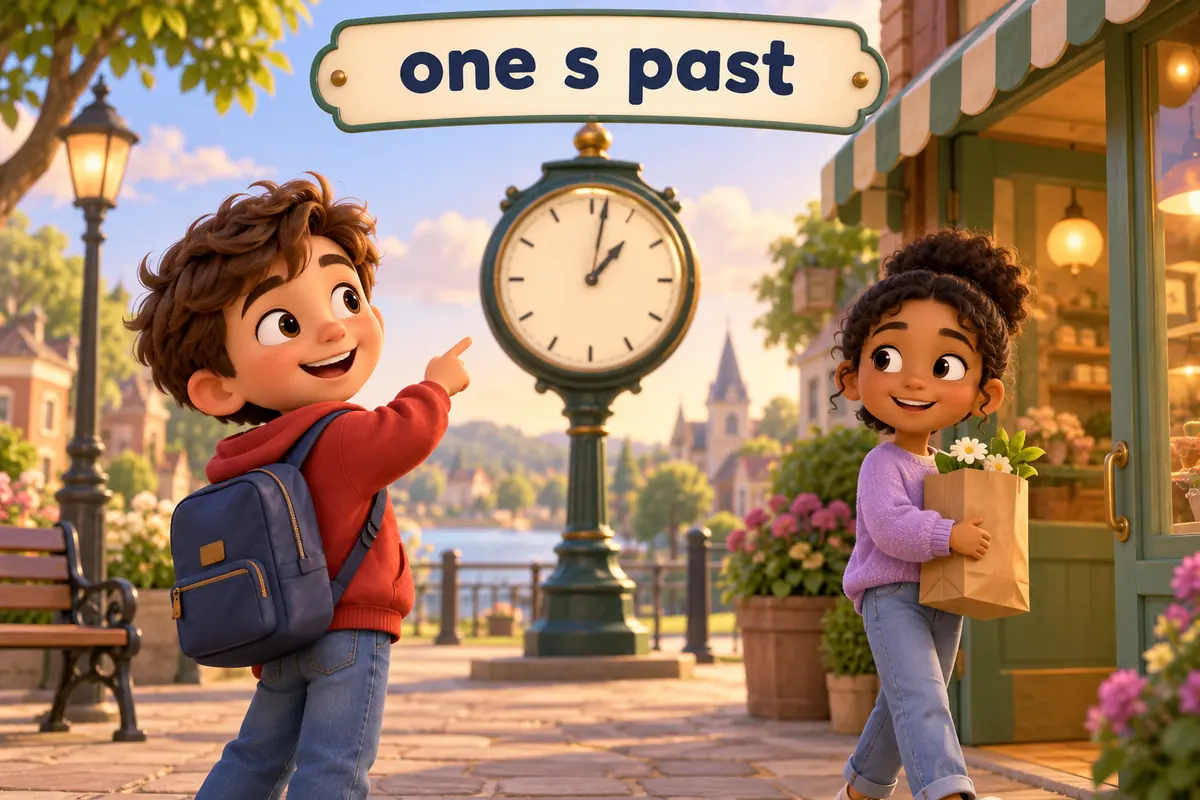
Past and passed in a sentence: examples across contexts
Reading the pair in different registers makes the choice automatic, and more time frames sit in past in a sentence.
| Context | Example sentence | Why this works |
|---|---|---|
| Classroom | The class compared past and present farming methods. | past is an adjective |
| Sports report | The winger passed the ball into the corner. | passed is the verb |
| History writing | The past shapes how a town sees itself. | past is a noun |
| Everyday talk | We walked past the new cafe twice. | past is an adverb |
| Directions | Turn left just past the traffic lights. | past is a preposition |
| Exams | Every student in the group passed the test. | passed reports an action |
| News report | Parliament passed the bill by a clear majority. | passed as a law-making verb |
| Driving | She drove past the turning and had to circle back. | past shows movement beyond |
| Time | Three years passed before they met again. | time going by |
| Table talk | Please pass the bread. | the base verb pass |
| Reflection | He rarely spoke about his past. | a possessive with the noun |
| Formal notice | The deadline passed without an application. | a deadline going by |
Which should you use?
Match the word to the slot: a naming, describing or pointing word takes past, and an action takes passed.
| Situation | Use | Example |
|---|---|---|
| Naming earlier time | past | The past is a useful teacher. |
| Reporting an action | passed | They passed the finish line. |
| Pointing beyond a place | past | The lane is just past the church. |
| Handing something over | passed | She passed me the note. |
The sound gives no help, so the test has to be grammatical. Read the sentence and ask what the slot needs: a noun, an adjective, a preposition or an adverb takes past, while a verb takes passed. The two s letters in passed can be linked to the verb pass, and the single s in past can be linked to the phrase the past, which keeps the spelling steady when the sound does not.
Word forms and grammar of past and passed
| Form | Part of speech | Example |
|---|---|---|
| past | noun | The past is behind us. |
| past | adjective | Past attempts failed. |
| past | preposition | The post office is past the square. |
| past | adverb | He hurried past. |
| pass | verb, base | Please pass the water. |
| passed | verb, past | She passed the exam. |
| passing | verb, -ing | We are just passing through. |
| passing | adjective | He made a passing remark. |
Common mistakes with past and passed
Mistake 1: past for the verb. Incorrect: She past the exam on the first try. Correct: She passed the exam on the first try. Rule: an action takes the verb passed, with two s letters.
Mistake 2: passed for a preposition. Incorrect: The bank is passed the bridge. Correct: The bank is past the bridge. Rule: a position beyond a place takes the preposition past.
Mistake 3: passed for an adjective. Incorrect: He learned from passed mistakes. Correct: He learned from past mistakes. Rule: a former thing takes the adjective past.
Mistake 4: past for handing over. Incorrect: He past me the salt. Correct: He passed me the salt. Rule: handing something over is the verb passed.
Mistake 5: past in a fixed phrase. Incorrect: Her grandfather past away last spring. Correct: Her grandfather passed away last spring. Rule: the gentle phrase for dying uses the verb passed.
Practice using past and passed
- Fill in the blank: The team ___ the ball across the field.
- Choose the better word: Turn right just (past / passed) the school.
- Correct the error: The deadline past without a single reply.
- Build a sentence: use the past as a noun about lessons learned.
- Spot the register: which line suits a formal report, (a) We went by the old mill, or (b) The route passed the old mill?
- Fill in the blank: He ___ me the forms at the end of the meeting.
Answers
- passed, because it reports the action of moving the ball.
- past, because it is a preposition meaning beyond.
- The deadline passed without a single reply; the action of going by takes passed.
- The past teaches us to avoid the same mistake twice.
- (b), because passed and its clean phrasing suit a report.
- passed, because it names the action of handing over the forms.

The bottom line
The past vs passed choice is settled by grammar, not by sound. Past is the noun, adjective, preposition or adverb for time and position, and passed is the verb form that reports an action. Link the two s letters to the verb pass, check what the slot needs, and the spelling will look after itself.
Frequently asked questions about past and passed
Why do past and passed sound the same?
Both words end with the same sounds, so the ear cannot tell them apart. The difference lies only in grammar and spelling, which is why the pair is a common writing slip. Reading the sentence aloud will not help; asking what the slot needs will.
Is past ever a verb?
No. Past never works as a verb, so it can never carry the action in a sentence. The verb is pass, with its forms passing, passed and passed. When a sentence needs an action in the past, the form is always passed, as in she passed the test.
What does passed away mean?
Passed away is a gentle fixed phrase meaning died, as in her grandfather passed away last year. The verb here is passed, so the one-s spelling of past would be wrong. The phrase is a euphemism, chosen to soften the news rather than to hide it.
Can passed be used as a preposition?
No. Passed is only a verb form, so it can never act as a preposition. The word for a position beyond a place is past, as in the shop is past the bridge. If you can replace the word with beyond, the correct spelling is past.