Monstrosity in a Sentence: Meaning and Usage Examples
A monstrosity is something described as monstrous, grotesque, or extremely objectionable. Use monstrosity in a sentence for a fictional creature or a strongly criticized object: “The oversized concrete tower looked like a monstrosity beside the cottages.” The word expresses a judgment, so a neutral description may be more appropriate in factual reporting.
Key facts at a glance
- Monstrosity is a countable noun.
- The plural is monstrosities.
- A monstrosity can be literal in fiction or figurative in criticism.
- The word usually carries a strongly negative tone.
What does monstrosity mean?
Monstrosity can name a monstrous thing or express strong disapproval of an object, design, or creation. Merriam-Webster records this negative descriptive use. Size can contribute to the impression, but large is not its complete definition: the speaker is judging the thing as disturbing, grotesque, or objectionable.
In a fantasy story, monstrosity may refer to an imagined creature. In a design review, it may criticize a building or contraption. That figurative use reveals the speaker’s opinion rather than an independently measurable property. A careful writer distinguishes “The tower is 30 stories tall” from “The critic called the tower a monstrosity.”
Monstrosity in a sentence: 10 examples
- The villagers mistook the moving shadow for a monstrosity.
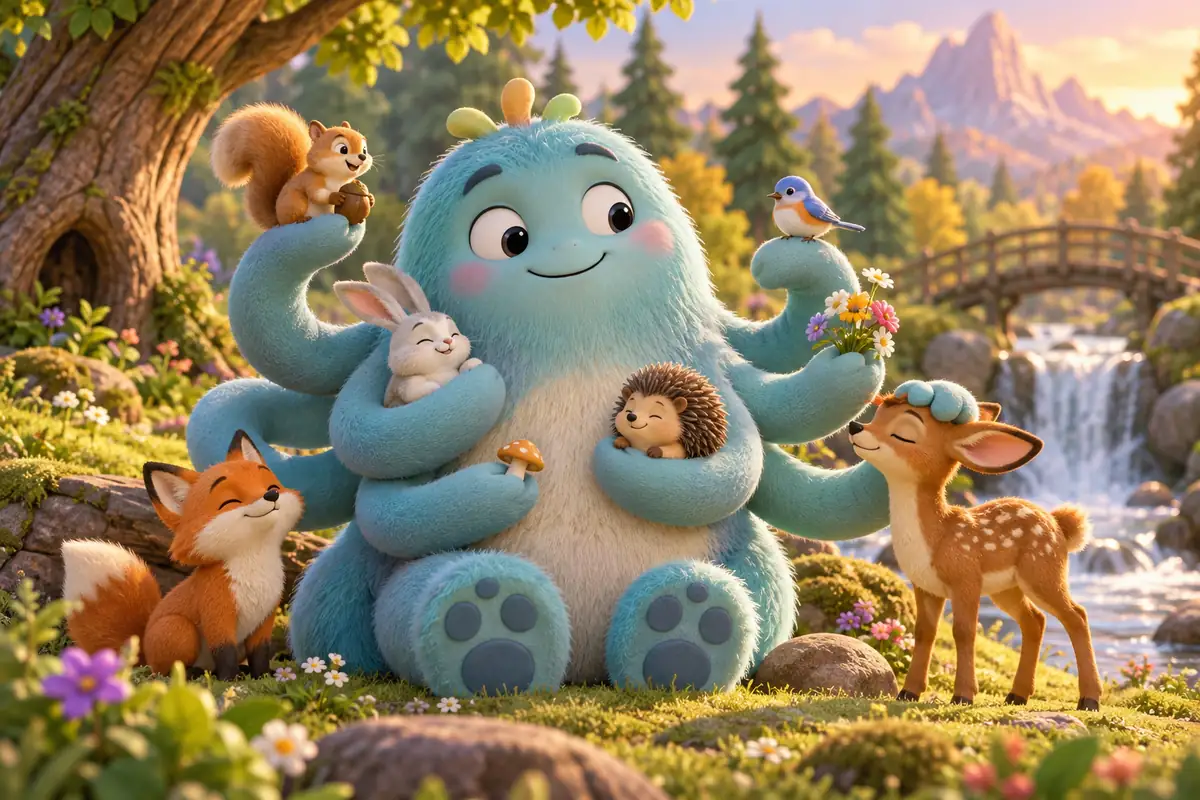
- Our story’s friendly monstrosity had six arms and a fondness for tea.
- The reviewer called the oversized sculpture a monstrosity.
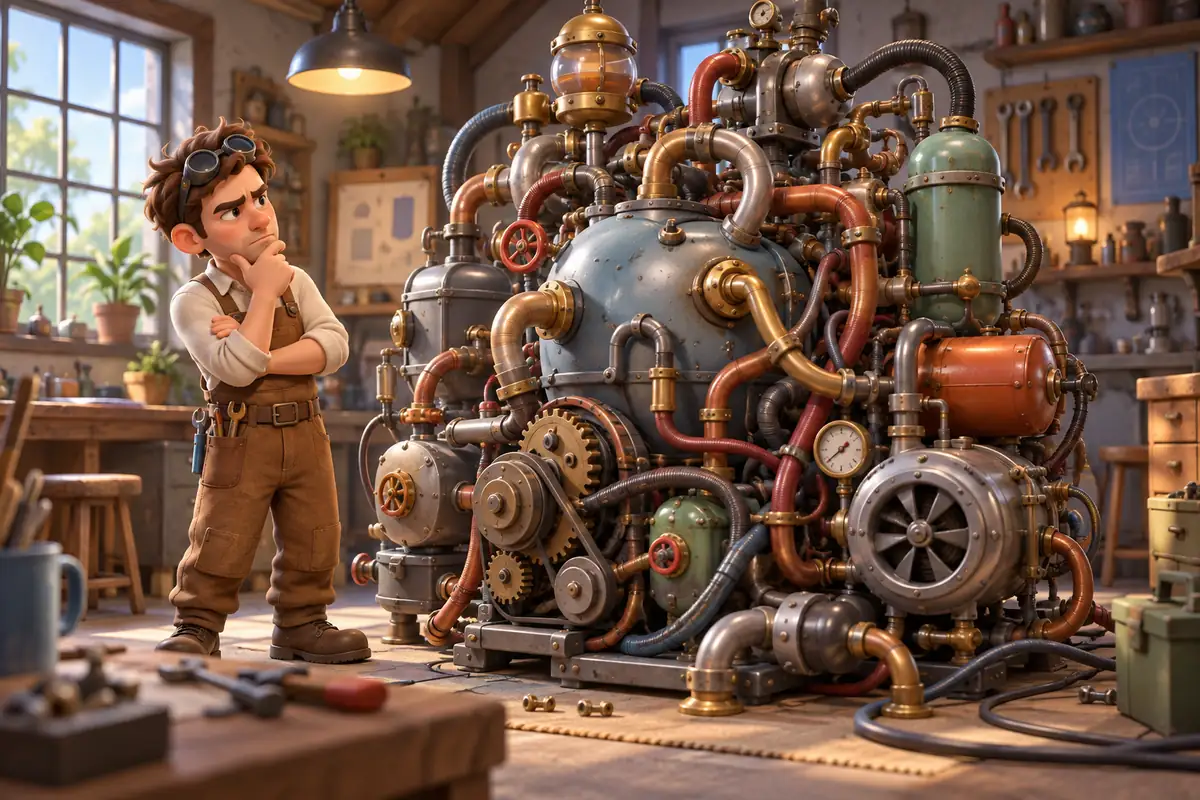
- That bulky contraption looked like a monstrosity beside the compact prototype.
- The old stage set included a papier-mâché monstrosity.
- She described the cluttered interface as a visual monstrosity.
- The cartoonist drew a cheerful monstrosity with mismatched wings.
- Critics dismissed the proposed tower as a monstrosity.
- The mechanic laughed at the homemade monstrosity in the garage.
- Several fictional monstrosities appear in the final chapter.
Friendly and cheerful deliberately soften or reverse the usual negative expectation in these fictional examples. In professional evaluation, that playful effect may be inappropriate. Choose the term according to the speaker’s voice and the purpose of the sentence.
How do literal and figurative uses differ?
Literal fictional use points to an imagined monstrous being. Figurative use criticizes a real object or creation without claiming it is a living monster. The surrounding context normally makes the distinction apparent.
| Use | Example | What the word contributes |
|---|---|---|
| Fantasy creature | A winged monstrosity guarded the gate. | A threatening fictional appearance |
| Playful fiction | The knitted monstrosity wore a tiny hat. | Comic exaggeration |
| Design criticism | The critic called the bridge a monstrosity. | Strong negative judgment |
| Neutral alternative | The bridge dominated the narrow riverbank. | Observable scale and position |
Attribution matters in reporting: “Residents called it a monstrosity” states who made the judgment. “It was a monstrosity” presents the writer’s judgment directly. Neither phrasing explains a design flaw until you add a feature such as blocked views, an awkward footprint, or incompatible proportions.
Tone, spelling, and useful alternatives
Monstrosity is forceful language, so reserve it for a deliberate voice or clearly attributed criticism. Use bulky, imposing, ungainly, oversized, or visually intrusive when those words describe the actual feature more precisely. Avoid using a demeaning label for a real person’s body or appearance.
- Identify whether the reference is fictional or real.
- Decide whether strong criticism serves the sentence.
- Attribute the judgment when reporting someone else’s opinion.
- Add a specific feature or choose a more neutral adjective.
The plural changes final y to ies: monstrosities. Compare “one monstrosity” with “several monstrosities.” The related adjective monstrous is a different form: “a monstrous machine” uses the adjective before machine, while “the machine is a monstrosity” uses the noun as a complement.
Putting your word choice into practice
Use monstrosity in a sentence with a specific context and a clear purpose. Choose a word form that fits the grammar, add a detail that supports the meaning, and check whether the tone is appropriate for the reader.
Frequently asked questions
Does monstrosity always mean something enormous?
No. An object can be called a monstrosity because the speaker finds it grotesque, offensive, or badly designed, even when it is not enormous. Size is only one possible reason for the judgment. If size is the only fact you intend, use large, oversized, or another measurable description instead.
What is the plural of monstrosity?
The plural is monstrosities. Change the final y to ies, as in “The artist filled the sketchbook with imaginary monstrosities.” Do not add an apostrophe to create the plural. “The monstrosity’s claws” instead uses an apostrophe to show that the claws belong to one fictional creature.
Can monstrosity be used humorously?
Yes. Comic writing can apply monstrosity to an absurd invention, a misshapen craft project, or an intentionally silly fictional creature. Context should make the playful tone clear. The same word directed at a real person can be demeaning, so a joke about an object does not make every application harmless.
How is monstrous different from monstrosity?
Monstrous is an adjective; monstrosity is a noun. Write “a monstrous machine” when describing the machine with an adjective, or “The machine was a monstrosity” when identifying it with a noun complement. The forms are related, but their grammatical positions differ, so they cannot simply replace each other unchanged.
Have you ever encountered a “monstrosity” in writing and felt baffled by its meaning? This term refers to something that is extremely large, ugly, and usually frightening or unpleasant to look at.
In literature, a monstrosity can symbolize something deeper than just physical appearance; it can represent themes of fear, power, or even the darker side of humanity. Let’s explore how this word is used in example sentences to gain a clearer understanding of its nuances and impact in writing.
7 Examples Of Monstrosity Used In a Sentence For Kids
- The monstrosity had big eyes and sharp claws.
- The scary monstrosity roared loudly in the night.
- I drew a funny monstrosity with lots of legs and arms.
- The green monstrosity lived in a dark cave.
- The little girl laughed at the silly monstrosity.
- The friendly monstrosity loved to play hide and seek.
- The magical monstrosity could fly with its wings.
14 Sentences with Monstrosity Examples
- Monstrosity of a mess in the college cafeteria after the food fight.
- Students were horrified by the monstrosity of the cockroach infestation in the dormitory.
- The professor’s assignment was a monstrosity of confusion, leaving students frustrated.
- The campus library’s new renovation turned out to be a monstrosity.
- The senior prank involving a fake ghost was a monstrosity that left everyone terrified.
- The long queue for registration was a monstrosity that tested everyone’s patience.
- The faculty’s decision to conduct surprise exams was deemed a monstrosity by students.
- The student council’s failed event turned into a monstrosity of mismanagement.
- The leaking roof in the lecture hall was a monstrosity during the monsoon season.
- The internet outage during exam week was a technological monstrosity.
- The power outage in the hostel led to a dark and oppressive atmosphere of monstrosity.
- The unauthorized construction near the college became a controversial monstrosity.
- The pop quiz on extremely difficult material was considered a monstrosity by the students.
- The never-ending construction noise outside the campus was a constant monstrosity for students trying to focus on their studies.
How To Use Monstrosity in Sentences?
To use the word Monstrosity correctly in a sentence, first, identify a subject or object that is described as monstrous or abnormally large. For example, “The abandoned mansion was a crumbling monstrosity that loomed over the town.”
Next, ensure that the word Monstrosity is used as a noun in the sentence. This means it should be referring to a physical object or concept. For instance, “The giant spider was a hairy monstrosity that sent shivers down my spine.”
To add more detail or context to the sentence, you can also include adjectives or descriptive phrases before or after the word Monstrosity. For example, “The grotesque monstrosity of a statue towered over the courtyard, its twisted features causing unease among the visitors.”
Lastly, make sure the sentence flows naturally and conveys the intended meaning clearly. Avoid overusing the word Monstrosity in a single sentence to maintain clarity and avoid repetition. Instead, use synonyms or alternate ways to describe the monstrous nature of the subject or object.
By following these simple steps and guidelines, you can effectively incorporate the word Monstrosity into your writing or conversations with confidence and accuracy.
Conclusion
In literature and everyday speech, the term “monstrosity” is used to describe something that is abnormally large or hideous, suggesting a sense of horror or disgust. Examples of sentences with monstrosity include “The creature’s twisted features were a testament to its monstrosity” and “The abandoned building stood as a looming monstrosity on the edge of town.” This word is often employed to evoke feelings of fear, revulsion, or awe at something that deviates significantly from the ordinary.
Overall, the concept of monstrosity serves as a powerful literary device that can create a sense of unease or intrigue in the reader, drawing attention to that which is grotesque, abnormal, or unsettling. Its usage underscores the human fascination with the unknown and the macabre, making it a versatile term with a wide range of applications in a variety of contexts.