
Adjectives for brown describe specific qualities, features, or impressions, with choices such as light, pale, sandy. Select a word that matches the detail you want readers to notice, then add a concrete context. The most useful description explains something observable or meaningful rather than stacking several vague compliments together.
At a glance
- Choose an adjective for a specific property rather than general praise.
- Context determines whether a descriptive word fits.
- An adjective can appear before a noun or after a linking verb.
- One precise modifier often works better than several overlapping words.
- Do not treat a descriptive brown name as one universal numerical color.
Adjectives for brown: words by purpose
| Category | Descriptive words | Example sentence |
|---|---|---|
| Light shades | light, pale, sandy | The fabric had a sandy brown color. |
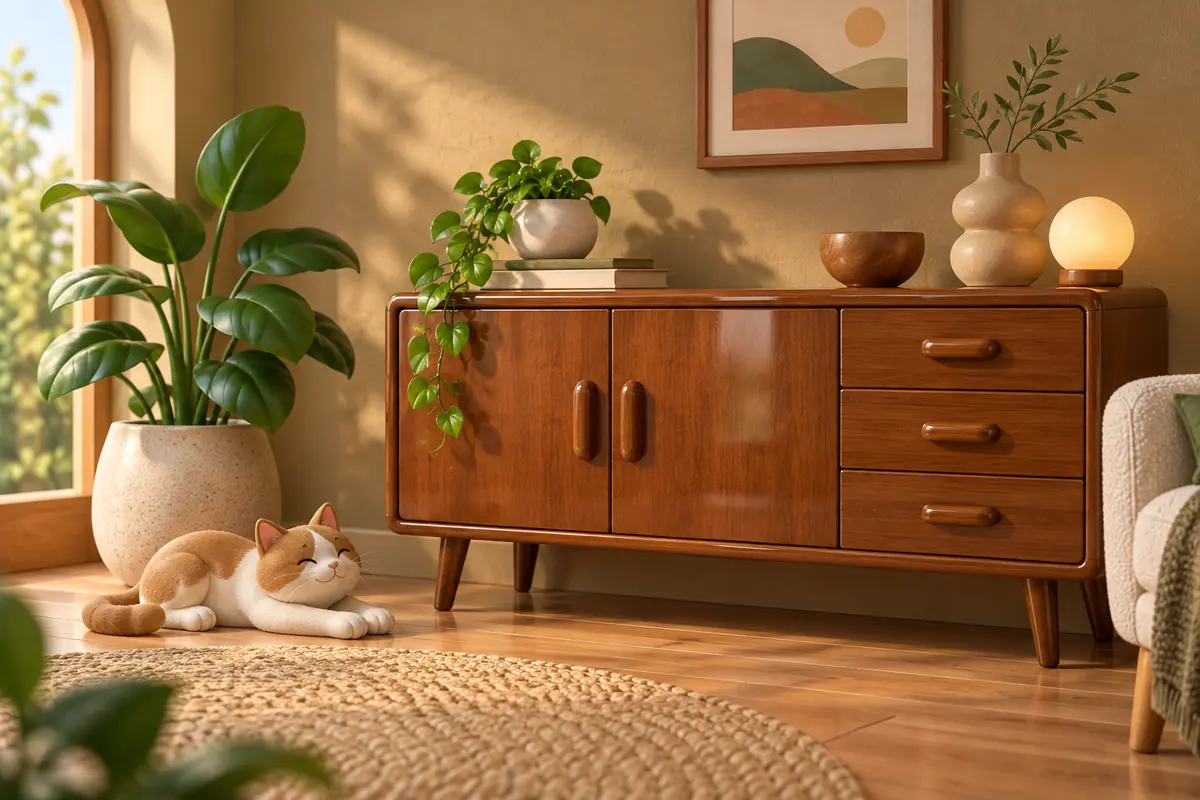
| Dark shades | dark, deep, rich | The cabinet had a deep brown finish. |
| Undertones | reddish, golden, grayish | The leaves turned reddish brown. |
| Appearance | warm, muted, earthy | A muted brown wall framed the painting. |
| Texture or finish | glossy, matte, mottled | The stone had a mottled brown surface. |
Is brown an adjective or a color noun?
Brown can be an adjective in “a brown coat” and a color noun in “a warm brown.” Descriptive words can therefore modify the color or the object. Make the structure clear: glossy describes a surface finish, while reddish describes the hue. Neither alone identifies a precise standardized color value.
How do lightness and undertone differ?
Light and dark concern apparent lightness, while reddish or golden concerns a hue tendency. A brown can be dark and reddish at the same time. Compare like properties when choosing words, and use a numerical color reference when a design specification needs repeatable precision rather than an impression from everyday language.
When are material comparisons useful?
Chocolate brown, chestnut brown, and coffee brown use familiar objects to suggest shades, but the comparisons vary by the objects and the observer. They are useful in descriptive writing and less exact than a specified color code. Do not assume a named comparison corresponds to one universal RGB or paint value.

How do you write a clear example?
- Identify the property or impression the reader needs to understand.
- Choose an adjective from the relevant category.
- Add one action, feature, or context that supports the description.
- Remove modifiers that repeat the same meaning without adding information.
For example, “The fabric had a sandy brown color.” connects the adjective to a specific subject. A stronger revision adds a relevant detail about why the description fits. Avoid treating a vivid word as proof of a factual claim; in reporting, the observation or evidence should support the adjective rather than the adjective substituting for evidence.
Sources and usage notes
The Cambridge Dictionary: brown establishes the central noun or subject meaning. The grouped words and example sentences are a writing reference rather than a universal description. Choose terms for the individual scene, object, or experience, and check any specialized claim against an appropriate factual source.
Frequently asked questions
Can adjectives follow a linking verb?
Yes. An adjective can follow a linking verb such as is, seems, or feels when the subject and description fit together naturally. The same word may also appear directly before a noun. Check the complete sentence, because changing its position can affect emphasis even when both constructions are grammatical.
How many adjectives should I use together?
Use enough adjectives to identify distinct details, often one or two in a short sentence. Several near-synonyms can blur the description and slow the reader. If more detail matters, add an action or explanatory clause instead of a long string of modifiers that all express the same impression.
What is a common mistake in these descriptions?
Do not treat a descriptive brown name as one universal numerical color. Chocolate, coffee, and chestnut can suggest different shades to different readers. State lightness, undertone, and finish separately when helpful, and use a defined color standard or code when a practical design task requires a repeatable exact match.
How can I make the description more precise?
Connect the adjective to a visible feature, an action, a stated context, or a relevant measurement. Replace vague praise with the property that actually matters to the reader. A description becomes more informative when the supporting detail explains the word, rather than leaving the reader to infer an unspecified reason.
Brown is a versatile and earthy color that can evoke feelings of warmth, comfort, and stability. Whether you’re describing the color of a delicious cup of coffee or the rich hues of autumn leaves, having a variety of adjectives at your disposal can help you paint a vivid picture with your words. In this article, I’ll explore a range of adjectives for brown, providing you with examples that showcase the beauty and diversity of this captivating color.
From light and creamy to dark and chocolatey, brown comes in many shades and tones. It can be warm and inviting, like a cozy cabin in the woods, or it can be bold and striking, like the bark of an ancient tree. By using descriptive adjectives, you can bring brown to life in your writing and create a sensory experience for your readers. So whether you’re a writer looking to expand your vocabulary or simply someone who appreciates the beauty of brown, get ready to explore a world of descriptive words that will make your descriptions come alive.
How to Describe brown? – Different Scenarios
Brown is such a versatile color that it can be described in a multitude of ways. In different scenarios, brown can evoke various feelings and create different visual imagery. Here’s a breakdown of how to describe brown in different contexts:
1. Nature and the Outdoors
When describing brown in nature, I envision the warm hues of the earth and the natural beauty of the surroundings. Here are some adjectives that capture the essence of brown in the great outdoors:
- Earthy: The brown tones in the soil and the bark of trees create a connection to nature that is cozy and down-to-earth.
- Rustic: Brown can evoke a sense of the countryside, with its raw, unrefined elements that are both charming and comforting.
- Autumnal: As the leaves change color in the fall, shades of brown bring a sense of warmth and nostalgia to the scenery.
2. Food and Beverages
When it comes to describing brown in relation to food and beverages, the focus is on rich flavors and indulgence. Here are some adjectives to describe brown in this context:
- Chocolatey: The deep, dark shade of brown associated with chocolate invokes a sense of decadence and delight.
- Toasty: Lighter shades of brown, like the crust of bread or the roasted coffee beans, remind us of comforting warmth.
- Nutty: The various shades of brown in nuts, such as almond and hazelnut, bring a delicious crunch and subtle sweetness to mind.
3. Home Decor and Comfort
In the realm of home decor, brown plays a crucial role in creating a warm and inviting atmosphere. Here are some adjectives to describe brown in the context of comfort:
- Cozy: Brown can create a sense of coziness and security, like a soft blanket on a chilly day.
- Inviting: The warm undertones of brown can make a space feel welcoming and comfortable.
- Stable: Brown can convey a sense of stability and grounding, making a room feel solid and well-balanced.
Remember, when describing brown, it’s important to use descriptive adjectives that truly capture the essence of the color in the given context. The right words can bring brown to life, allowing readers to visually experience its warmth, comfort, and stability.
Describing Words for brown in English
As an expert blogger, I’m here to provide you with a comprehensive list of adjectives to describe the beautiful color brown. Whether you’re a kindergarten or preschool teacher looking for engaging ways to teach kids about colors, or simply someone interested in expanding your vocabulary, this list will help you describe brown in various contexts. So, let’s dive in!
Appearance and Texture
When it comes to describing the appearance and texture of brown, here are some vivid adjectives to consider:
- Velvety
- Smooth
- Rich
- Earthy
- Burnt
- Deep
- Muted
- Rustic
- Nutty
- Woody
Nature and Environment
Brown is a color that we often encounter in nature. Here are some adjectives that capture the beauty of brown in the natural world:
- Autumnal
- Bark-like
- Chestnut
- Tawny
- Bark brown
- Soil brown
- Cocoa-colored
- Caramel
- Walnut
- Hazelnut
Food and Beverages
Brown is also a common color in the world of food and beverages. Here are some mouthwatering adjectives to describe brown in culinary delights:
- Chocolatey
- Delicious
- Rich
- Roasted
- Toasted
- Nutty
- Spicy
- Savory
- Caramelized
- Smoky
Home Decor and Design
When it comes to home decor and design, brown can add warmth and sophistication to any space. Here are some descriptive adjectives to help you create a cozy ambiance:
- Warm
- Inviting
- Natural
- Rustic
- Classic
- Elegant
- Earth-toned
- Timeless
- Comforting
- Antique
Remember, using descriptive adjectives is key to capturing the essence of brown in each context. Whether you’re describing its appearance, nature, food, or home decor, these adjectives will help you create a sensory experience for your readers or students.
Enjoy exploring the diverse shades and characteristics of brown with these adjectives. Happy describing!
Stay tuned for the next section where we’ll dive into more examples and tips for effectively describing the color brown in different scenarios.
Adjectives for brown
Positive Adjectives for Brown
When describing the color brown, there are several positive adjectives that can be used. Here are 12 examples with accompanying sentences to illustrate their usage:
| Adjective | Example Sentence |
|---|---|
| Warm | The warm brown tones of the wood gave the room a cozy and inviting feel. |
| Rich | The painting featured a rich brown background that added depth and elegance to the artwork. |
| Earthy | The earthy brown color of the soil indicated its fertility, perfect for growing crops. |
| Sophisticated | The sophisticated brown leather sofa added a touch of elegance to the living room. |
| Natural | The natural brown hues of the landscape blended harmoniously with the surrounding trees and foliage. |
| Rustic | The rustic brown wooden cabin exuded charm and reminded us of simpler times. |
| Timeless | The timeless brown leather jacket was a classic wardrobe staple that never went out of style. |
| Toffee | The toffee-colored curtains brought warmth and sweetness to the bedroom decor. |
| Muted | The muted brown tones of the painting created a calming and serene atmosphere in the art gallery. |
| Nutty | The nutty brown color of the freshly roasted coffee beans filled the air with an enticing aroma. |
| Chocolate | The chocolate brown curtains added a touch of indulgence and luxury to the elegant dining room. |
| Velvety | The velvety brown texture of the fabric made the cushions irresistibly soft and comfortable. |
Negative Adjectives for Brown
While brown is often associated with positive attributes, there are also negative adjectives that can be used to describe this color. Here are 5 examples with example sentences:
| Adjective | Example Sentence |
|---|---|
| Murky | The murky brown water in the pond made it difficult to see the fish swimming beneath the surface. |
| Dull | The dull brown paint on the walls gave the room a lackluster and uninspiring appearance. |
| Faded | The faded brown color of the old photograph hinted at the memories it held from decades past. |
| Drab | The drab brown uniforms worn by the employees made the workplace feel monotonous and unexciting. |
| Dingy | The dingy brown carpet in the room was in desperate need of cleaning, as it appeared worn and dirty. |
Remember, when describing the color brown, it’s important to choose adjectives that accurately capture the essence and convey the desired impression. This allows readers to create a sensory experience and appreciate the richness and versatility of this unique color.
Synonyms and Antonyms with Example Sentences
Synonyms for brown
When describing the color brown, there are several synonyms that can bring depth and richness to your writing. Here are some examples:
| Word | Definition | Example Sentence |
|---|---|---|
| Tan | A light brown color | I love the warm tan color of the sandy beach. |
| Chestnut | A reddish-brown color | Her hair was the color of chestnut, shining under the sun. |
| Mahogany | A deep, reddish-brown color | The antique desk had a beautiful mahogany finish. |
| Cocoa | A dark, chocolaty brown color | I sipped on a cup of hot cocoa, enjoying the rich brown color and velvety texture. |
| Coffee | A dark brown color resembling the shade of roasted coffee beans | Her eyes sparkled, a shade of brown reminiscent of freshly brewed coffee. |
Antonyms for brown
While brown is often associated with warmth and earthiness, there are antonyms that can offer a contrasting perspective. Here are a few antonyms for brown:
| Word | Definition | Example Sentence |
|---|---|---|
| White | The absence of color | The snow-covered mountains stood out against the brown landscape. |
| Blonde | A light yellow-brown color | Her hair was a beautiful shade of blonde, cascading down her shoulders like golden waves. |
| Gray | A color between black and white | The old building’s faded gray walls stood in stark contrast to the vibrant brown leaves on the ground. |
| Blue | A color often associated with calm and coolness | The sky above us was a brilliant blue, contrasting against the warm, earthy tones of the brown fields. |
Using these synonyms and antonyms for brown can help you create vivid descriptions and capture the essence of your subject.
Conclusion
By exploring the various adjectives for brown, we have gained a deeper understanding of how to describe this versatile color. From warm and earthy tones to rich and luxurious shades, brown offers a wide range of descriptive possibilities.
Synonyms such as chestnut, chocolate, and mahogany evoke images of nature and evoke a sense of warmth and comfort. On the other hand, antonyms like pale and ashen create a contrasting effect, adding depth and dimension to our descriptions.
Utilizing these adjectives allows us to paint a vivid picture and capture the essence of our subject. Whether we are describing a cozy cabin in the woods or a decadent chocolate dessert, the right choice of adjectives can bring our words to life.
So, the next time you find yourself in need of a descriptive word for brown, look no further than the diverse range of adjectives provided in this article. Embrace the power of language and enhance your writing with these expressive words.


