Communication is the sharing of information, ideas, or feelings; it can also refer to the message or method used to share them. In a sentence, the word is usually a noun: “Clear communication helps the team plan.” Communication may happen through speech, writing, images, signs, gestures, or digital tools, depending on the people and situation.
How to use “communication” in a sentence
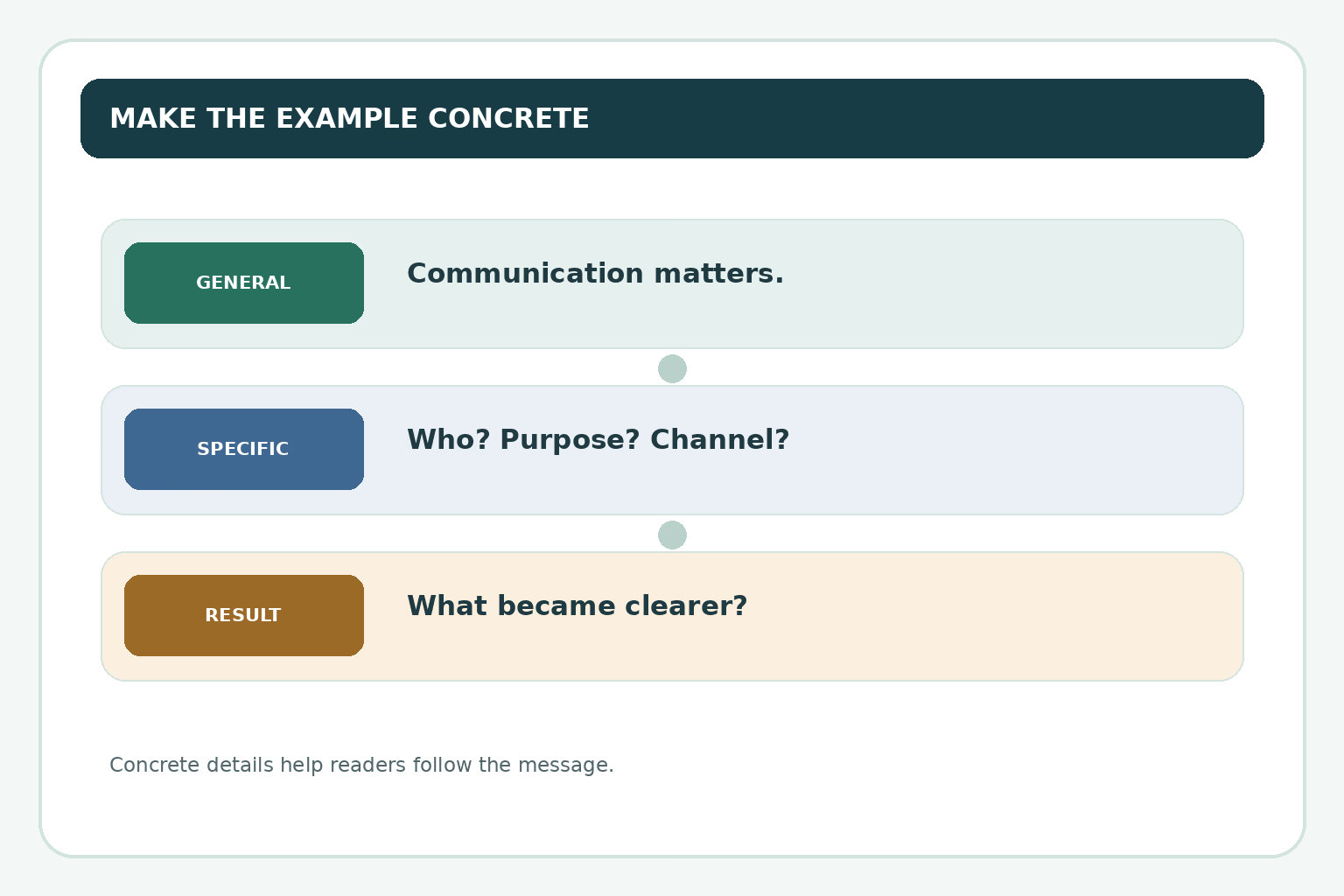
A useful example often tells readers what is shared, between whom, or why it matters. Compare “Communication is important,” which is very general, with “The coach’s clear communication helped the players understand the new plan.” The second sentence gives a setting and shows the result.
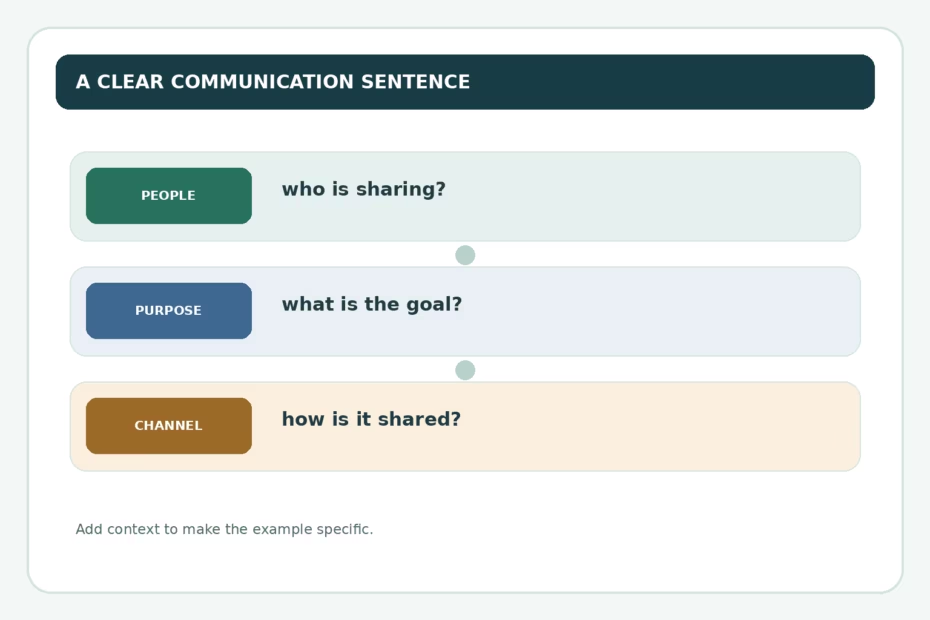
When you write your own example, consider four details:
- People: Who is communicating with whom?
- Purpose: Are they explaining, asking, informing, listening, or coordinating?
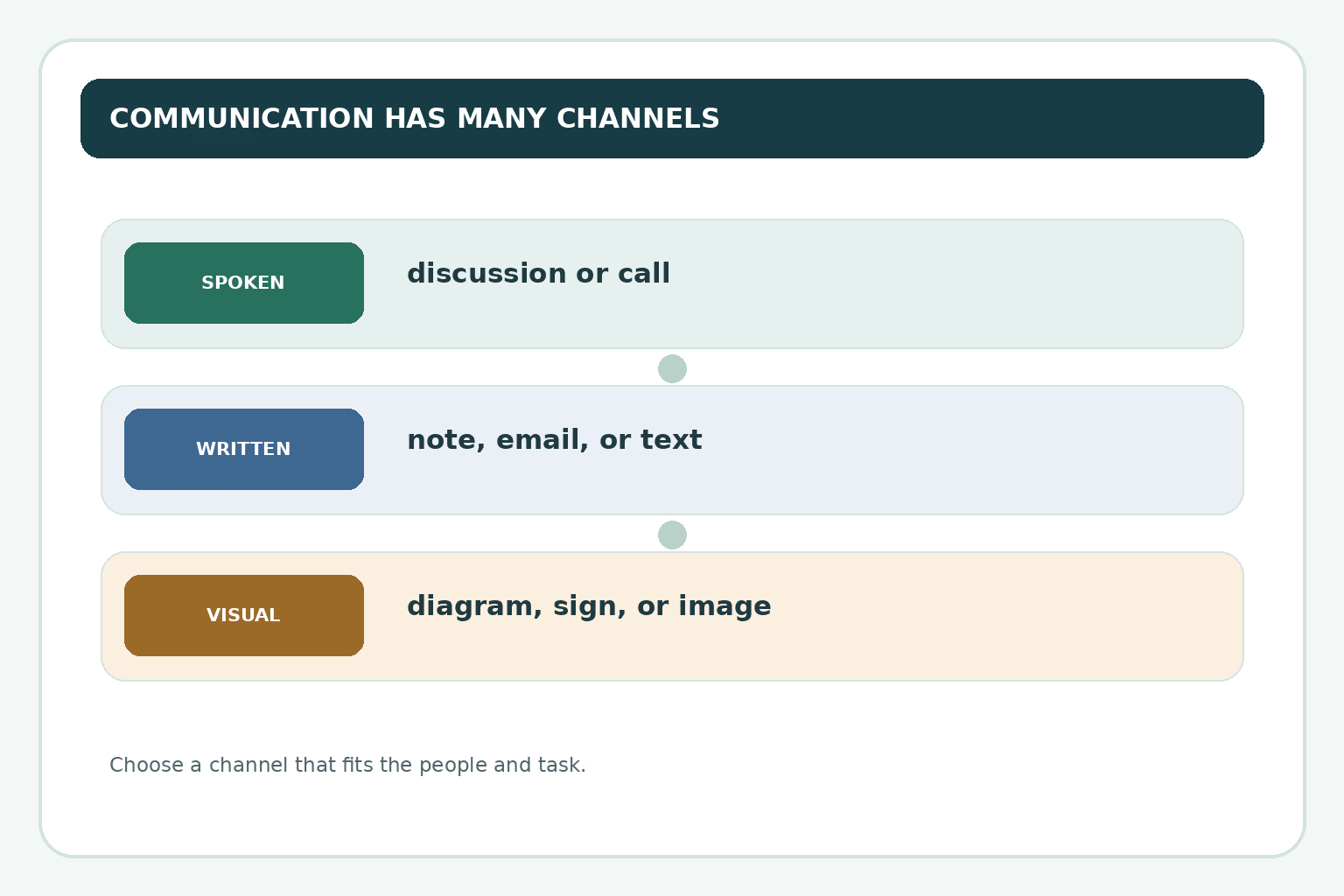
- Channel: Is the communication spoken, written, visual, signed, or digital?
- Context: What specific outcome or understanding follows?
Communication sentence examples
| Context | Example sentence | What it shows |
|---|---|---|
| Classroom | “The teacher’s written communication reminded families about Friday’s field trip.” | A message and its purpose |
| Team project | “Regular communication helped the group divide the research tasks.” | Coordination between people |
| Health care | “The nurse used clear communication to explain each step of the procedure.” | Information shared for understanding |
| Family | “Their communication improved when they made time to listen without interrupting.” | Listening as part of an exchange |
| Access | “Mika used a speech-generating device for communication during the meeting.” | A communication method |
More examples with different sentence patterns
- “Open communication between the neighbors helped resolve the parking mix-up.”
- “The company sent a communication about its updated office hours.”
- “Visual communication made the safety steps easier for visitors to follow.”
- “Nonverbal communication can include facial expressions and gestures, though their meaning depends on context.”
- “Good communication with customers begins with understanding what they need.”
- “The radio system restored communication between the two field teams.”
- “She prefers written communication when instructions include several steps.”
- “The students practiced respectful communication during the debate.”
- “A short follow-up message kept communication open after the interview.”
- “The guide’s simple diagrams supported communication across language differences.”
- “Listening is an important part of communication, not just waiting to speak.”
- “The manager’s communication was direct, considerate, and easy to understand.”
Communication, communicate, and communications
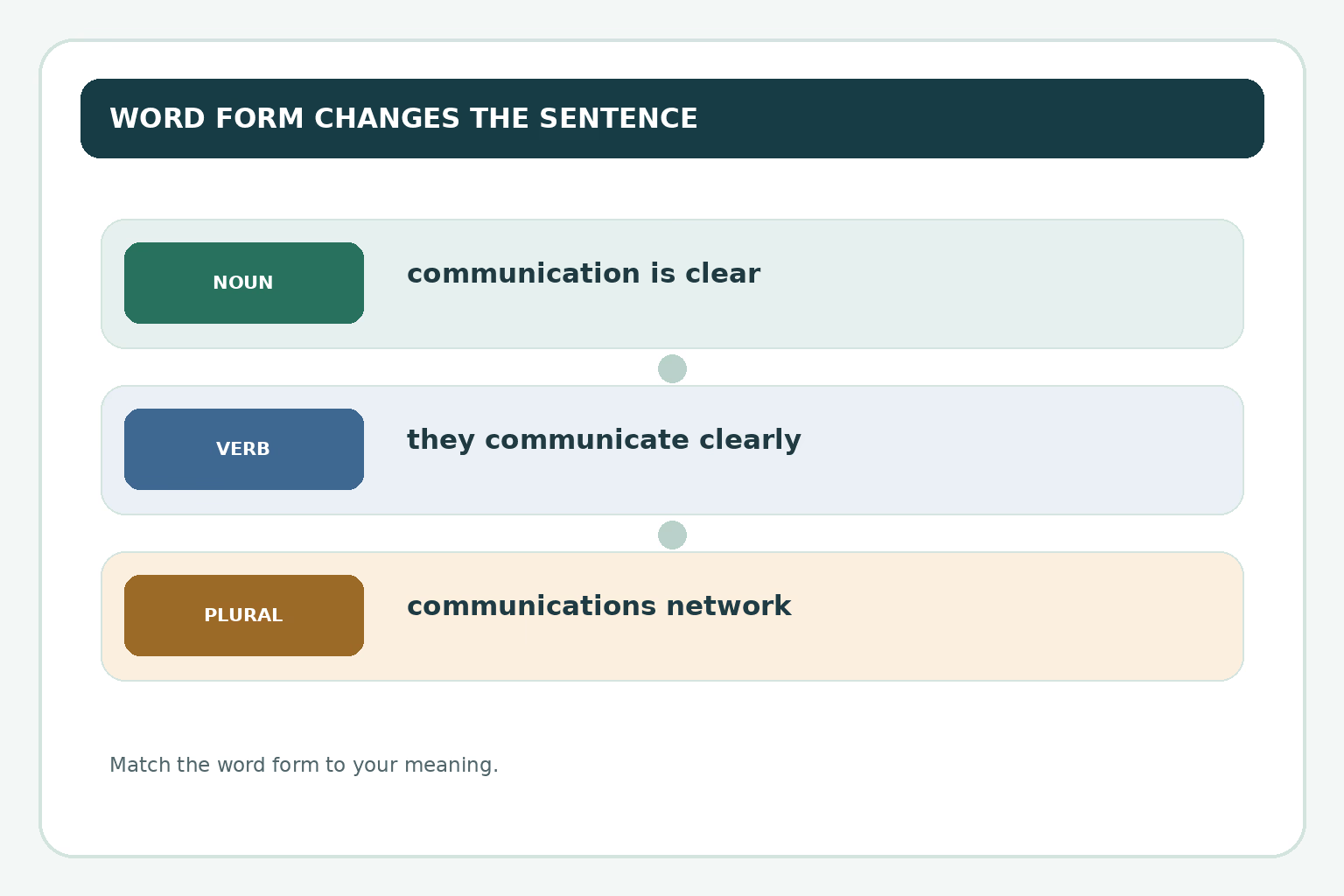
Communication is a noun; communicate is a verb. Compare “Clear communication matters” with “The team communicates clearly.” In general statements, communication is commonly uncountable and takes a singular verb: “Communication is essential.”
A communication can also mean one formal message, especially in business or official writing: “We received a communication from the school.” The plural communications often refers to methods or systems for sending information, or a collection of messages: “The communications network was restored.” Oxford Learner’s Dictionaries and Cambridge Dictionary list these uses; choose the form that matches your meaning.
Common sentence patterns
- Communication between A and B: “Communication between the departments improved.”
- Communication with a person or group: “I had a quick communication with the event organizer.” In everyday English, “conversation” or “message exchange” may sound more natural for one informal interaction.
- Communication about a topic: “The school sent communication about the schedule.”
- A method of communication: “Email is one method of communication.”
- Communicate + adverb / communicate something: “Please communicate clearly” / “She communicated the change to her team.”
For a clear sentence, name the specific message or method when you can. “The communication was good” does not say what worked; “The short email clearly explained the deadline” is more precise.
Quick questions
Is “communication” a noun or a verb?
Communication is a noun. The related verb is communicate.
Should I write “communication is” or “communication are”?
Use singular agreement when communication means the general process: “Communication is important.” Use communications are when the plural noun refers to multiple methods, systems, or messages.
Does communication only mean talking?
No. Depending on context, it can include writing, images, sign languages, gestures, or assistive and digital tools. A gesture does not carry the same meaning in every setting, so describe the context when it matters.
What makes a good example sentence?
Show who is communicating, the purpose or method, and a concrete detail. This makes the example easier to understand than a general statement alone.
Sources and writing guidance
- Cambridge Dictionary: “communication” gives definitions for the process of exchanging information and related plural uses.
- Oxford Learner’s Dictionaries: “communication” distinguishes the process, methods, and a formal message.
- Purdue OWL: “Elements of Rhetorical Situations” explains how audience, purpose, text, and setting shape communication.
Use the examples below as models, then choose the details that suit your own message, audience, and setting.
Communication is the process of exchanging information, thoughts, and ideas between individuals or groups. Effective communication plays a crucial role in fostering relationships, understanding others’ perspectives, and achieving common goals.
Whether through verbal or nonverbal means, communication is a fundamental aspect of human interaction that influences how we connect with one another. Good communication skills are essential in various aspects of life, from personal relationships to professional settings, and mastering them can lead to improved understanding and mutual respect.
7 Examples Of Communication Used In a Sentence For Kids
- Communication is when we talk to our friends.
- We use different ways for communication like speaking and writing.
- We can also use our hands and faces to show communication.
- Communication helps us share our feelings and thoughts with others.
- Listening is an important part of communication.
- We can use phones and computers for communication too.
- Let’s practice good communication with our friends and family.
14 Sentences with Communication Examples
- Communication plays a crucial role in understanding the subject matter during lectures.
- Effective communication helps in building strong relationships with classmates and professors.
- Group projects require good communication skills to collaborate and complete tasks efficiently.
- Communication channels like emails and messaging apps are helpful for sharing study materials with peers.
- Communication with seniors can provide valuable insights about the college’s culture and academic requirements.
- Communication through presentations and debates enhances public speaking skills among students.
- Joining clubs and societies is a great way to improve communication skills in various settings.
- Communication with the college administration can help in resolving academic issues and concerns.
- Peer discussions play a significant role in enhancing communication skills and knowledge exchange.
- Networking events provide opportunities for students to practice communication skills with professionals.
- Communication with alumni can offer guidance and mentorship for current students.
- In group discussions, active communication is essential for expressing opinions and ideas effectively.
- Communication skills workshops are beneficial for students looking to improve their verbal and written communication.
- Effective communication is key to participating in extracurricular activities and events on campus.
How To Use Communication in Sentences?
Communication is the process of sharing information, thoughts, and feelings with others. To use the word communication in a sentence, simply incorporate it into your statement about how people exchange ideas or thoughts.
For example: “Effective communication is key to building strong relationships.”
When constructing a sentence, remember that communication can refer to various forms of expressing oneself, including verbal, non-verbal, written, or visual. Make sure to choose the appropriate context for using the word communication based on the type of interaction being described.
To further enhance your sentence, consider adding adjectives or adverbs to provide more detail. For instance, “Clear communication is essential in avoiding misunderstandings.”
As you become more familiar with incorporating communication into sentences, try to experiment with different structures and styles. This will help you become more confident and proficient in using the word effectively in various contexts.
Remember, practice makes perfect, so don’t hesitate to continue practicing and expanding your vocabulary to improve your communication skills both in writing and speaking.
Conclusion
In conclusion, effective communication is essential for successful interactions in various contexts. From everyday conversations to professional settings, clear and concise sentences play a crucial role in conveying thoughts and ideas to others. This can foster understanding, build stronger relationships, and prevent misunderstandings that may lead to conflicts.
By using sentences that are well-structured and easy to comprehend, individuals can improve their communication skills and ensure that their messages are received accurately. Whether written or spoken, clear sentences help to convey information efficiently and promote effective communication. Ultimately, mastering the art of constructing meaningful sentences is key to enhancing communication and achieving better outcomes in personal and professional relationships.