
What Does Friction Mean?
Friction has two common meanings. In physics, it is a contact force that opposes the relative motion, or attempted motion, of surfaces touching each other. In everyday conversation, it can mean tension or disagreement between people or groups. OpenStax University Physics explains how friction acts at a contact surface; Cambridge Dictionary also records the social meaning.
Friction is not always something that slows a moving object. Static friction can keep a shoe from slipping and let a person walk; kinetic friction acts when surfaces slide against each other. The direction and effect depend on the situation. In a sentence, details such as shoe against pavement, brake pad against a rotor, or disagreement between coworkers make the intended meaning clear.

Friction in a Sentence: Physical Examples
These examples use friction for physical contact and resistance. Notice that friction can create grip, heat, or a force that opposes sliding.
- Static friction between her shoes and the pavement helped her climb the steep path.
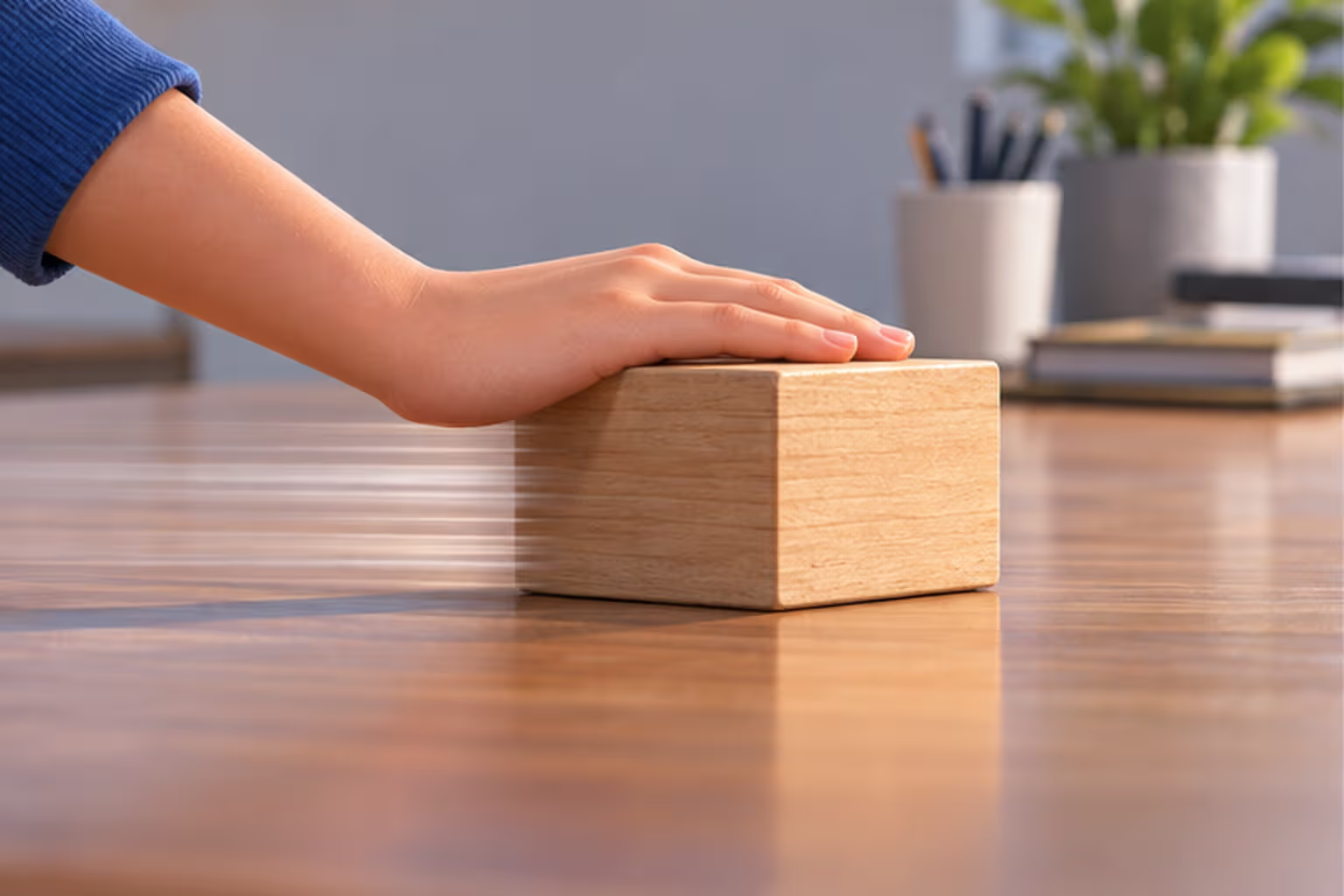
- The box slowed as friction between its base and the floor opposed its sliding motion.
- Rubbing his hands together produced warmth through friction.
- The bicycle mechanic checked the brake pads for excess friction against the wheel.
- Rubber soles provide enough friction to help a runner turn without skidding.
- The engineer added lubricant to reduce friction between the machine’s moving parts.
- Friction between the eraser and paper removed the pencil mark.
- On the icy steps, there was too little friction for the boots to grip securely.
In precise physics writing, identify which surfaces touch and whether they are sticking or sliding. Static friction resists the start of relative motion; kinetic friction acts during sliding. Rolling resistance and drag in air or water are related kinds of resistance, but writers should name them directly when that distinction matters.
Friction in a Sentence: Social Examples
In the figurative sense, friction describes tension, disagreement, or unfriendliness. It is usually uncountable in this meaning and often appears in the pattern friction between A and B.

- Unclear deadlines created friction between the design team and its manager.
- The neighbors resolved their friction by agreeing on quiet hours.
- Different priorities caused friction during the planning meeting.
- She addressed the friction with her roommate before it grew into a larger argument.
- The new schedule reduced friction between the morning and evening crews.
- There was some friction over how the club should spend its limited budget.
- Regular check-ins helped prevent small misunderstandings from becoming friction.
- The mediator listened to both sides and helped them work through the friction.
Common Patterns and Usage Tips
- Friction between: “Friction between the departments delayed the decision.”
- Friction over: “The neighbors felt friction over parking spaces.”
- Cause or reduce friction: “A shared checklist reduced friction during handoffs.”
- Physical friction: Name the materials or surfaces: “Friction between the tire and road helps the car turn.”
Use friction when you mean resistance or tension. For a particular disagreement, argument or dispute may be more direct. For a machine, avoid suggesting that friction is always harmful: it can waste energy as heat, but useful friction also provides traction and helps brakes work.
Source note: The examples and wording in the original article below are retained in their published form. The explanations above add context about useful static friction, sliding friction, and the word’s figurative meaning.
Sources
Friction is a force that resists the relative motion or tendency of motion of two surfaces in contact with each other. In simpler terms, it’s the resistance encountered when one object slides over another.
Understanding the concept of friction is crucial in various aspects of our daily lives, from the way we walk on the sidewalk to how tires grip the road. This force can impact the efficiency and performance of machinery, influence the dynamics of sports, and even affect how we interact with our environment.
7 Examples Of Friction Used In a Sentence For Kids
- Friction helps us stop when we push a chair.
- Walking on sand creates friction with our feet.
- Friction creates heat when we rub our hands together.
- Friction helps us write with a pencil on paper.
- Friction makes it hard to slide on a wet floor.
- Rubbing two sticks together creates friction to make fire.
- Friction makes it difficult to push a heavy box.
14 Sentences with Friction Examples
- Friction between different student groups on campus can sometimes lead to misunderstandings and conflicts.
- Studying in a noisy environment can create unnecessary friction and distractions for college students.
- Balancing a part-time job with academics can sometimes cause friction in a student’s schedule.
- Group projects can sometimes result in friction among team members over conflicting ideas and approaches.
- Miscommunications with professors can sometimes create friction in student-teacher relationships.
- Friction between roommates over cleanliness and shared responsibilities is a common issue in college dormitories.
- Differences in study habits and schedules can cause friction when sharing study spaces with classmates.
- Dealing with academic pressure and deadlines can sometimes lead to friction between classmates in competitive environments.
- Public transportation delays and cancellations can create friction in a student’s daily commute to college.
- Friction between students and administrative staff over policies and procedures can sometimes lead to protests on campus.
- Lack of communication and coordination can cause friction in group activities and events organized by student clubs.
- Friction between college departments can sometimes result in delays in processing administrative paperwork for students.
- Clashes over cultural differences and beliefs can create friction among students from diverse backgrounds in college.
- Disagreements over study material and exam preparation strategies can lead to friction within study groups among college students.
How To Use Friction in Sentences?
Friction is the force that resists the relative motion or tendency of such motion of two bodies in contact. Understanding how to use the word friction in a sentence is essential for effective communication.
To use friction in a sentence, first, identify a situation where friction plays a role. For example, “The rough surface of the road created a lot of friction as the car’s tires tried to move forward.” In this sentence, friction is the force that makes it difficult for the car to move smoothly.
Next, ensure that the word friction is placed correctly within the sentence. It is usually used to describe the force opposing the motion of objects or the resistance between two surfaces. For instance, “The mechanic explained that the lack of lubrication was causing extra friction in the engine.”
Lastly, vary the context in which you use the word friction to become more familiar with its different applications. This can help you convey ideas more clearly and accurately. For example, “The friction between the two coworkers made it challenging to work together on the project.”
By following these steps and practicing using friction in different contexts, you can effectively incorporate this important concept into your writing and conversations.
Conclusion
In conclusion, the examples of sentences incorporating the keyword “friction” demonstrate its importance in various contexts. Whether referring to physical resistance, interpersonal conflicts, or legal disputes, friction plays a significant role in hindering or impeding smooth progress. By recognizing and addressing sources of friction, individuals and organizations can proactively navigate challenges and foster positive outcomes.
Understanding how friction manifests in different situations is crucial for effective problem-solving and relationship management. By acknowledging and managing friction in a constructive manner, individuals can work towards reducing conflicts, improving communication, and ultimately achieving better results. Embracing and addressing friction with a proactive mindset can lead to smoother interactions, enhanced productivity, and stronger relationships both personally and professionally.


