Skip to content
Hangar houses planes; hanger holds clothes

Hangar vs Hanger: Understanding the Difference and Using Them Appropriately

    Ever been confused about whether to use “hangar” or “hanger”? You’re not alone! As a language enthusiast, I’ve come across this common dilemma countless times. In this text, I’ll shed light on the difference between these two words and provide you with some simple yet effective tips to ensure you’re using them appropriately.
    So, what’s the deal with “hangar” and “hanger”? Well, “hangar” refers to
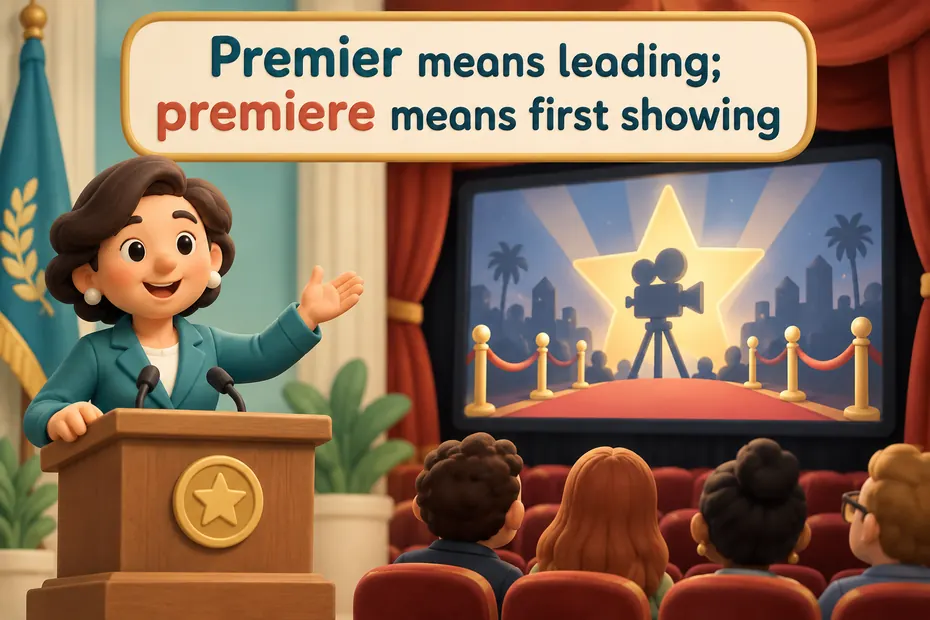
    Premier means leading; premiere means first showing

    Understanding the Difference Between Premier and Premiere and How to Use Them Appropriately

      Are you confused about when to use “premier” and when to use “premiere”? Well, you’re not alone. In this text, I’ll clear up the confusion and help you use these words appropriately. As a language expert, I’ve encountered this common mistake countless times, and I’m here to set the record straight. Whether you’re writing a blog post, an email, or a formal document, understanding the difference bet

      A magnifying glass rests over an old dictionary and notebook as a writer checks a similar-looking word.

      Concent vs. Consent: Meaning and Correct Usage

        Have you ever come across the terms “concent” and “consent” and wondered what the difference is? Well, I’ll shed some light on this often-confused pair of words. In this text, we’ll explore the meanings and appropriate usage of “concent” and “consent” to help you communicate more effectively.
        When it comes to “concent,” it refers to the act of focusing or directing one’s attention. On the other ha

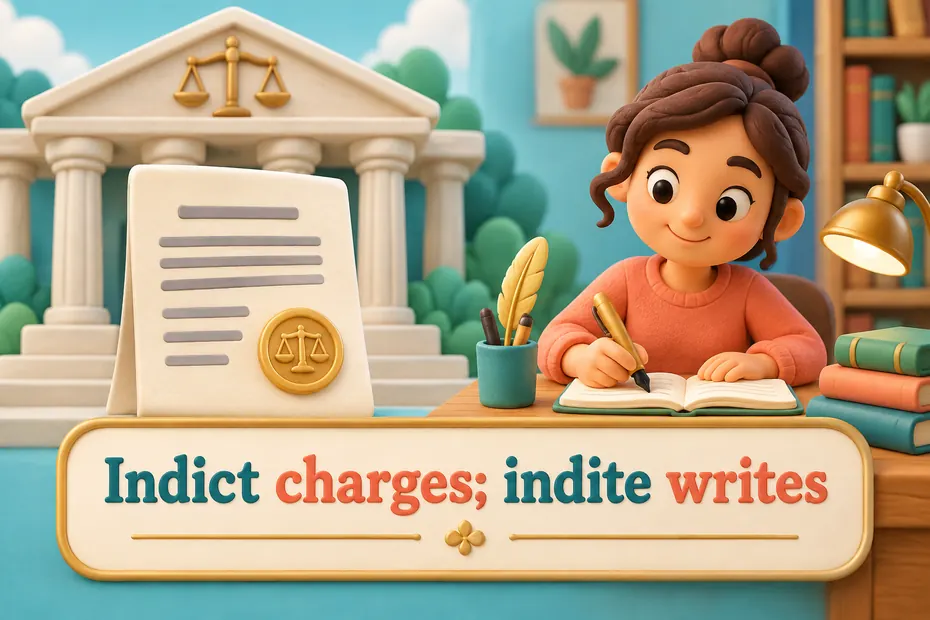
        Indict charges; indite writes

        The Difference Between “Indict” and “Indite” and How to Use Them Appropriately

          Have you ever found yourself confused about the difference between “indict” and “indite”? Well, I’ll shed some light on this common language dilemma. In this text, I’ll explain the proper usage of these two words and help you avoid any embarrassing mistakes.
          Indict and indite are often used interchangeably, but they actually have distinct meanings and applications. Understanding when to use each w

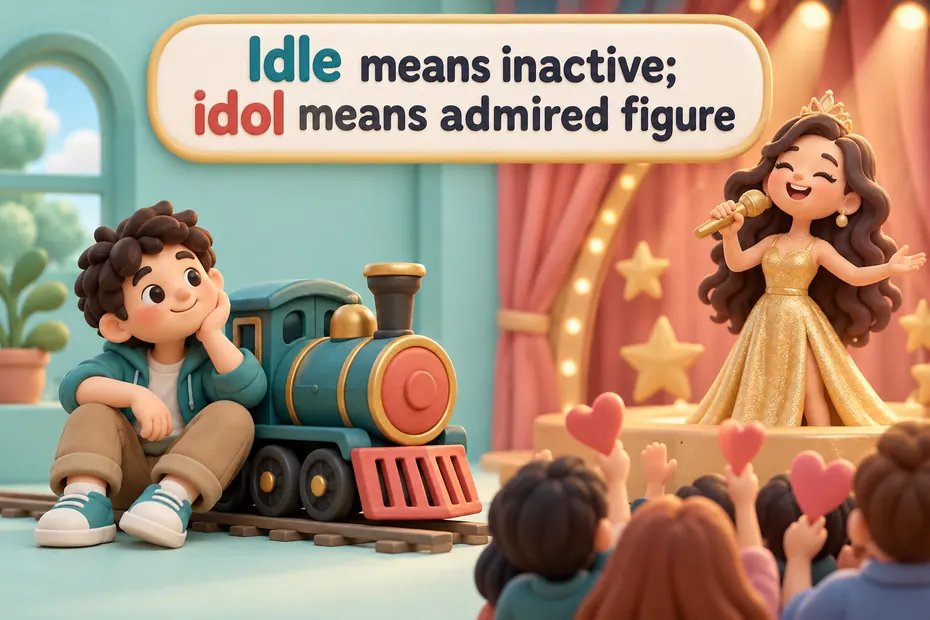
          Idle means inactive; idol means admired figure

          Understanding the Difference between “idle” and “idol”: Mastering Appropriate Usage

            Hey there! Have you ever found yourself confused between the words “idle” and “idol”? Don’t worry, you’re not alone. In this text, I’ll guide you through the proper usage of these two words and help you avoid any embarrassing mix-ups.
            When it comes to the word “idle,” it refers to something that is not active or in use. We often use it to describe a person who is not doing anything or a machine th

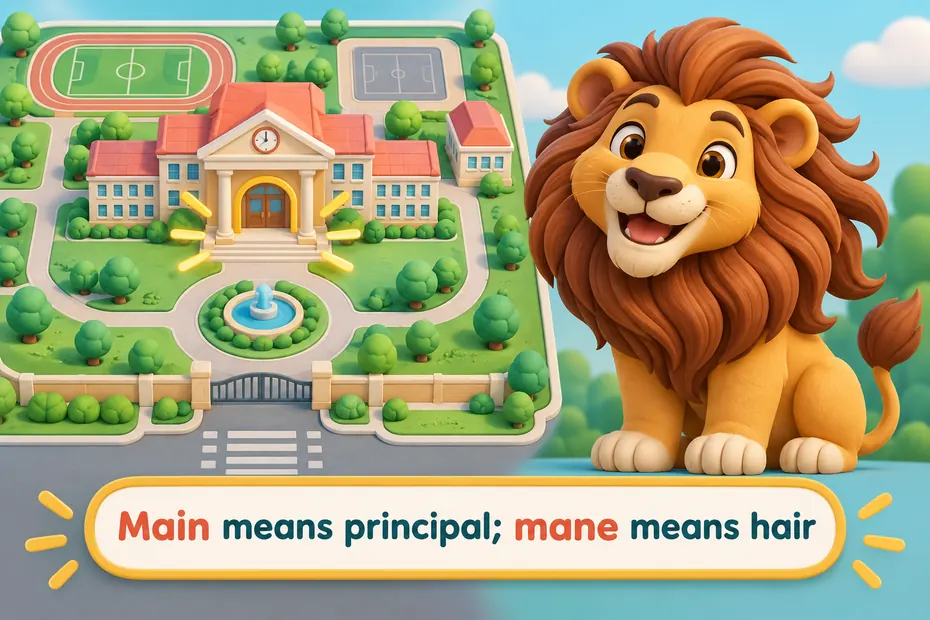
            Main means principal; mane means hair

            Understanding the Difference Between Main and Mane: Tips for Appropriate Usage

              Main vs mane: the quick answer Main usually describes something principal or most important: the main road, main idea, or main reason. Mane names long, thick hair around an animal’s neck or head, such as a horse’s mane or a lion’s mane. Both words sound like “mayn,” so listening alone will not identify the spelling.… Read More »Understanding the Difference Between Main and Mane: Tips for Appropriate Usage

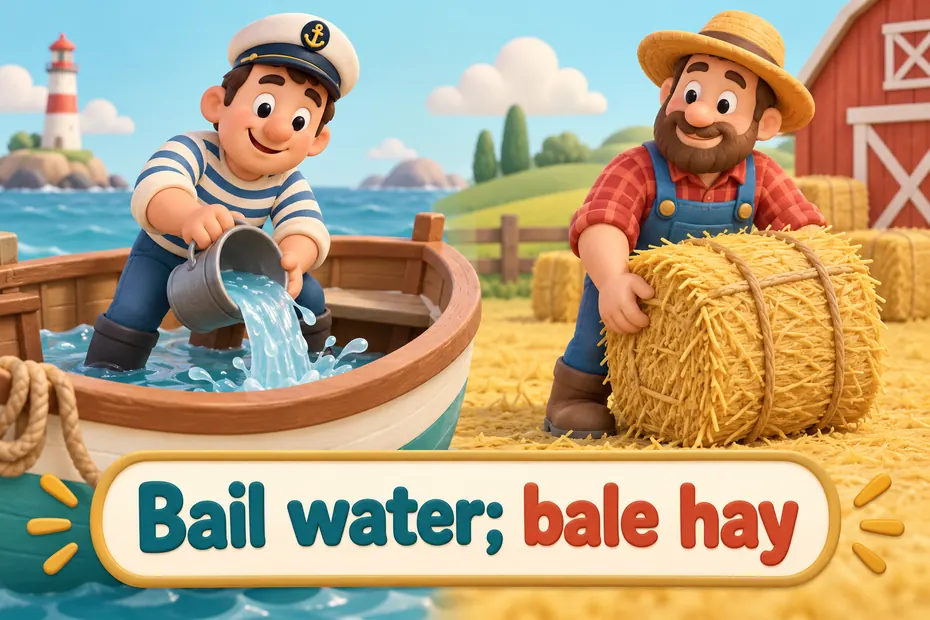
              Bail water; bale hay

              Bail vs Bale: Understanding and Properly Using the Difference

                Have you ever found yourself confused between “bail” and “bale”? Don’t worry, you’re not alone. These two words may sound similar, but they have completely different meanings. As an expert in language and grammar, I’ll guide you through the proper usage of “bail” and “bale”, helping you avoid embarrassing mistakes and improve your writing skills.
                In this text, I’ll provide a clear distinction betw

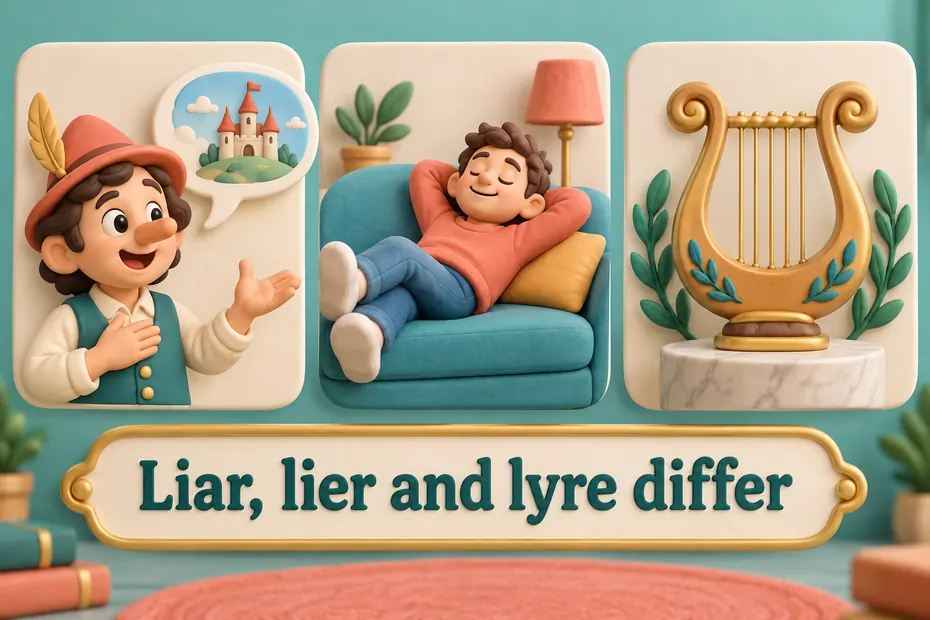
                Liar, lier and lyre differ

                Master the Art of Proper Usage: Liar vs Lier vs Lyre – Avoid Confusion and Communicate Clearly

                  Ever wondered about the difference between “liar,” “lier,” and “lyre?” As a language enthusiast, I’ve often come across these three words that sound so similar but have distinct meanings. In this text, I’ll be diving deep into the correct usage of these words, helping you avoid embarrassing mistakes and enhance your communication skills. So, whether you’re a writer, a student, or simply someone wh

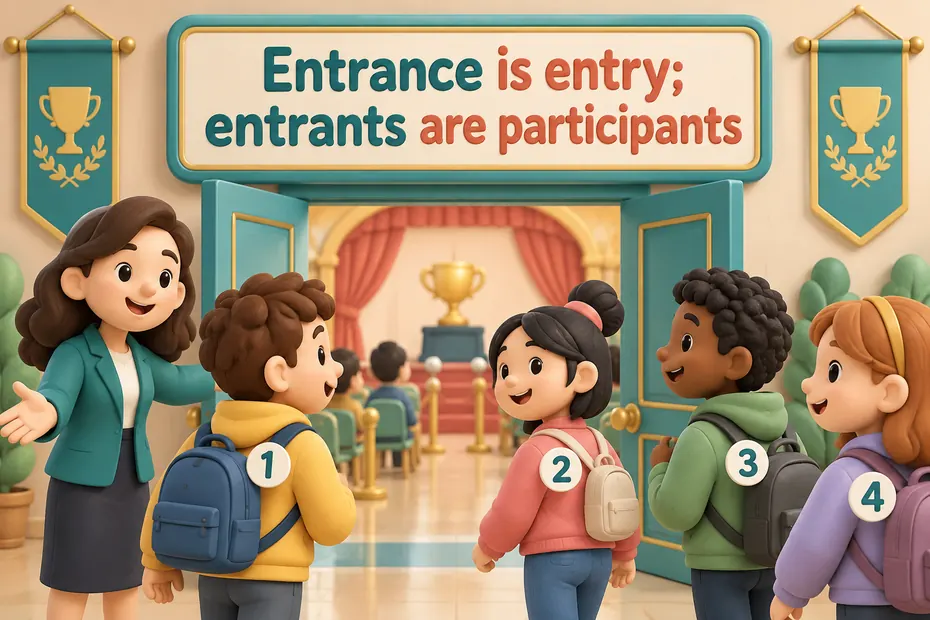
                  Entrance is entry; entrants are participants

                  Mastering the Difference: Appropriate Usage of “Entrance” vs “Entrants”

                    As a seasoned writer, I’ve come across a common confusion that many people have: the difference between “entrance” and “entrants.” In this text, I’ll jump into the nuances of these two words and provide you with a clear understanding of how to use them appropriately. Whether you’re a student, a professional, or simply someone who wants to improve their language skills, this guide will help you nav

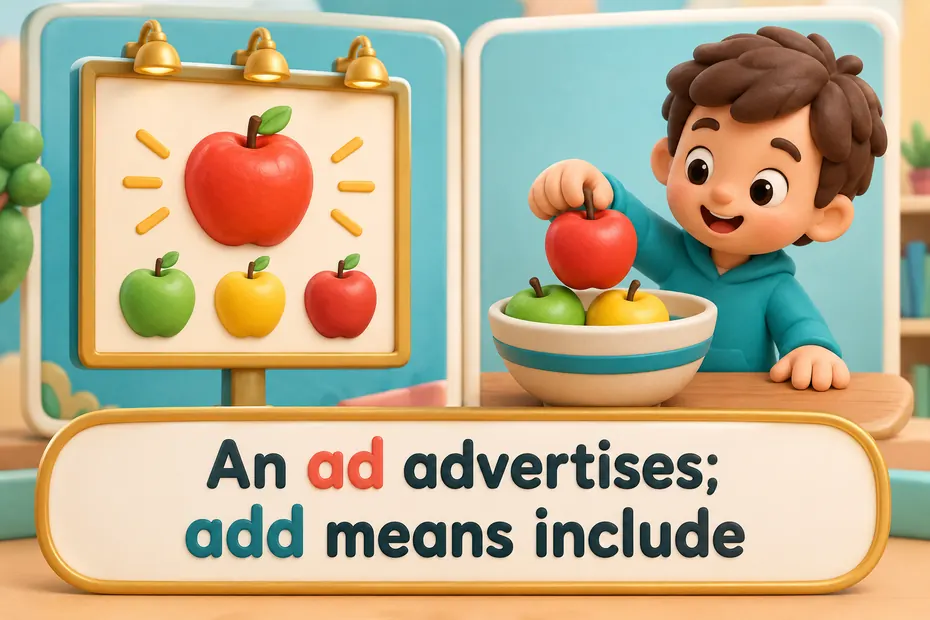
                    An ad advertises; add means include

                    Using “ad” vs “add” Appropriately: Strategies for Crafting Engaging Campaigns

                      Have you ever found yourself confused between “ad” and “add”? Don’t worry, you’re not alone. As a writer and language enthusiast, I’ve encountered this dilemma countless times. In this text, I’ll shed light on the key differences between these two words and help you use them appropriately in your writing.
                      When it comes to “ad” and “add,” the distinction lies in their meanings and usage. “Ad” is sh

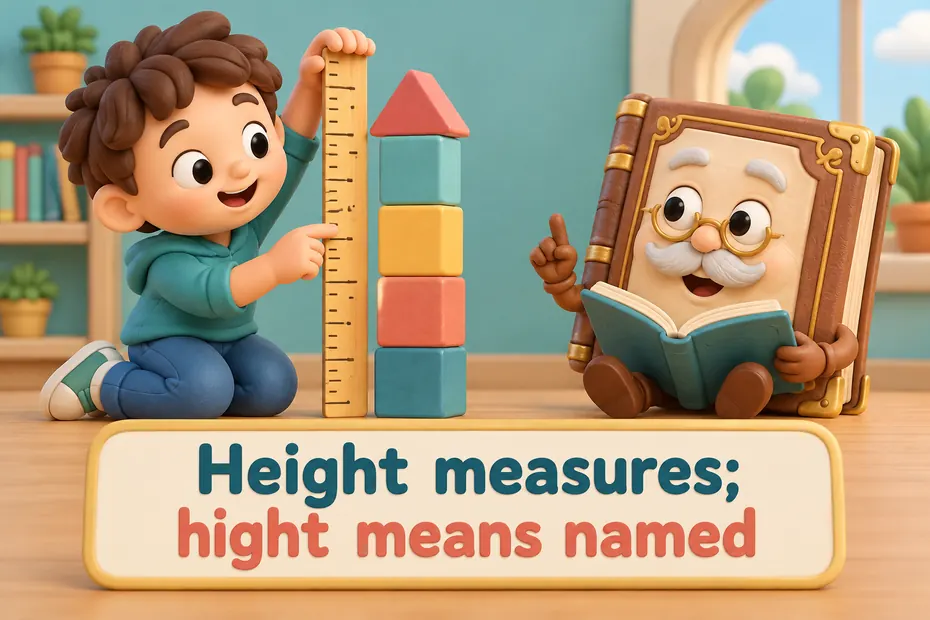
                      Height measures; hight means named

                      Understanding the Difference: Height vs Hight and How to Use Them Appropriately

                        Have you ever found yourself confused about when to use “height” and when to use “hight”? As an expert writer, I’ve encountered this common dilemma many times. In this text, I’ll provide you with a clear understanding of the appropriate usage of these two words. Understanding the difference between “height” and “hight” is crucial for effective communication, whether you’re writing an essay, an ema

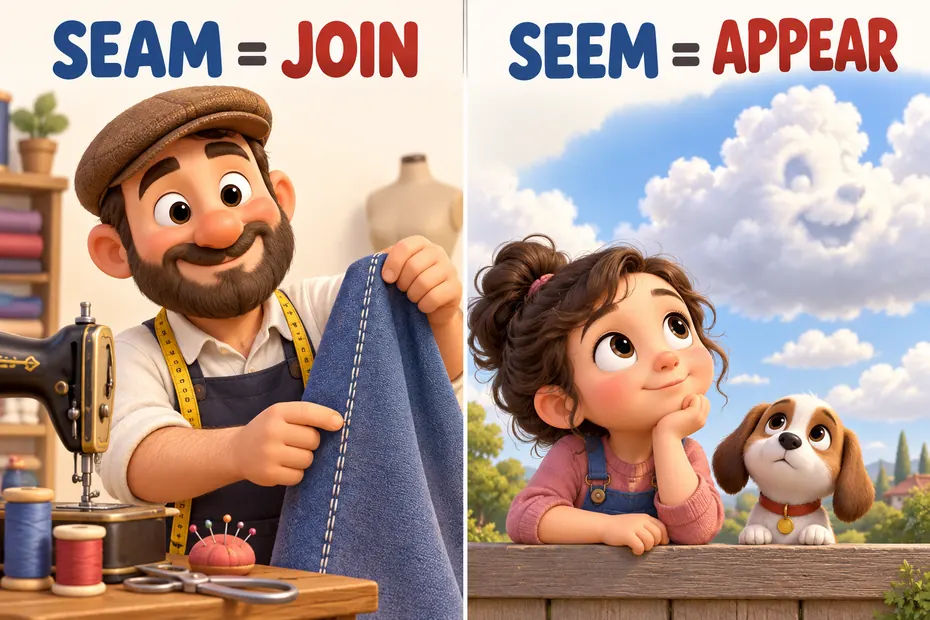
                        Seam means join; seem means appear

                        Understanding the Difference Between Seam and Seem: How to Use Them Appropriately in Writing

                          Have you ever found yourself confused between the words “seam” and “seem”? Don’t worry, you’re not alone. In this text, I’ll be shedding light on the proper usage of these two words and how to avoid common mistakes.
                          Seam, spelled S-E-A-M, refers to the line where two pieces of fabric are sewn together. On the other hand, seem, spelled S-E-E-M, is a verb that indicates an appearance or impression.

                          Filets vs Fillets: Choosing and Using Appropriately in Your Culinary Adventures

                            As a culinary enthusiast, I’ve come across the ongoing debate between filets and fillets. With these two terms often used interchangeably, it’s crucial to understand their differences and how they should be used appropriately. In this text, I’ll investigate into the nuances of filets versus fillets, shedding light on their definitions, origins, and culinary applications. Whether you’re a home cook

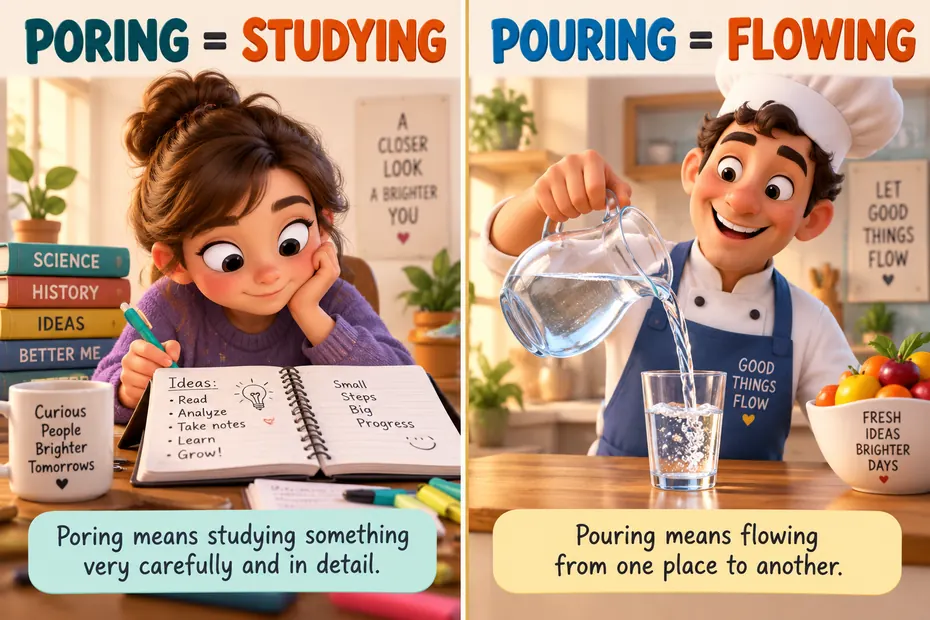
                            Poring means studying; pouring describes flow

                            The Art of PVSing vs Pouring: Knowing When to Use Each Method Appropriately

                              Are you tired of guessing whether to PV or pour? Well, worry no more! In this text, I’ll guide you through the art of pvsing vs pouring and help you understand when to use each method appropriately. Whether you’re a seasoned mixologist or just starting out, knowing the right technique can make all the difference in creating the perfect drink.
                              We’ll jump into the benefits and drawbacks of pvsing an