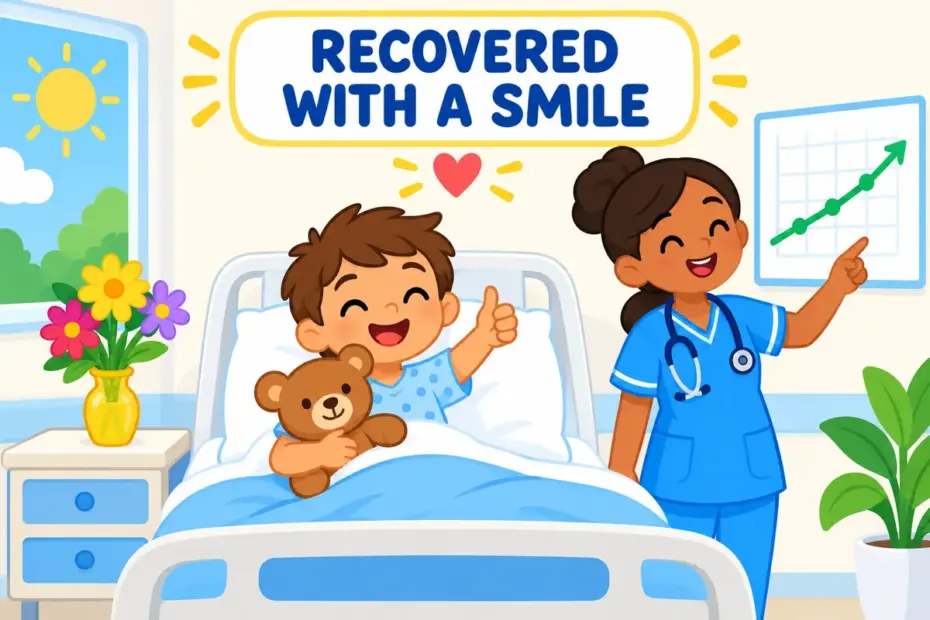
Pull through means to recover from a serious illness or to survive a difficult period, and in one transitive pattern it means to help someone do the same. To use pull through in a sentence, give a person or business as the subject: “The clinic was sure she would pull through.” It is intransitive unless it means help.
Pull through at a glance
- Pull through is a phrasal verb meaning to recover from illness or survive a hard period.
- In the recovery sense it is intransitive: the patient pulled through.
- In the help sense it is transitive and separable: the doctors pulled him through.
- An object pronoun must sit between the verb and particle, never after through.
- Typical subjects are a patient, a small business, a club or a farm under strain.
- The commonest error is confusing it with fall through, which means to fail.
What does pull through mean?
Pull through is a phrasal verb meaning to recover from illness or injury, or to survive a period of serious difficulty. The Cambridge entry for pull through records the sense of becoming well again after being very ill. The subject is normally a person, a business or an organisation that was close to failing, and the tone is quietly reassuring. Where the point is only that somebody endured something, go through is the plainer verb, because pull through adds the idea of a narrow escape.
| Sense | Plain meaning | Example sentence |
|---|---|---|
| Recover from illness | Get well after serious injury or disease | The surgeon was confident the boy would pull through. |
| Survive a hard period | Continue to exist after nearly failing | The bookshop pulled through its quietest year. |
| Help someone survive | Carry a person through a crisis | The nurses pulled him through a difficult night. |
An honest limit matters with a phrase this warm. Pull through is not used for objects that break, and it is not a general synonym for improve or succeed. A machine does not pull through; it is repaired or replaced. A plan does not pull through either, because plans fall through or are abandoned. The phrase also implies that failure was a real possibility, so it sounds strange for a routine recovery that nobody ever doubted.
How do you use pull through in a sentence?
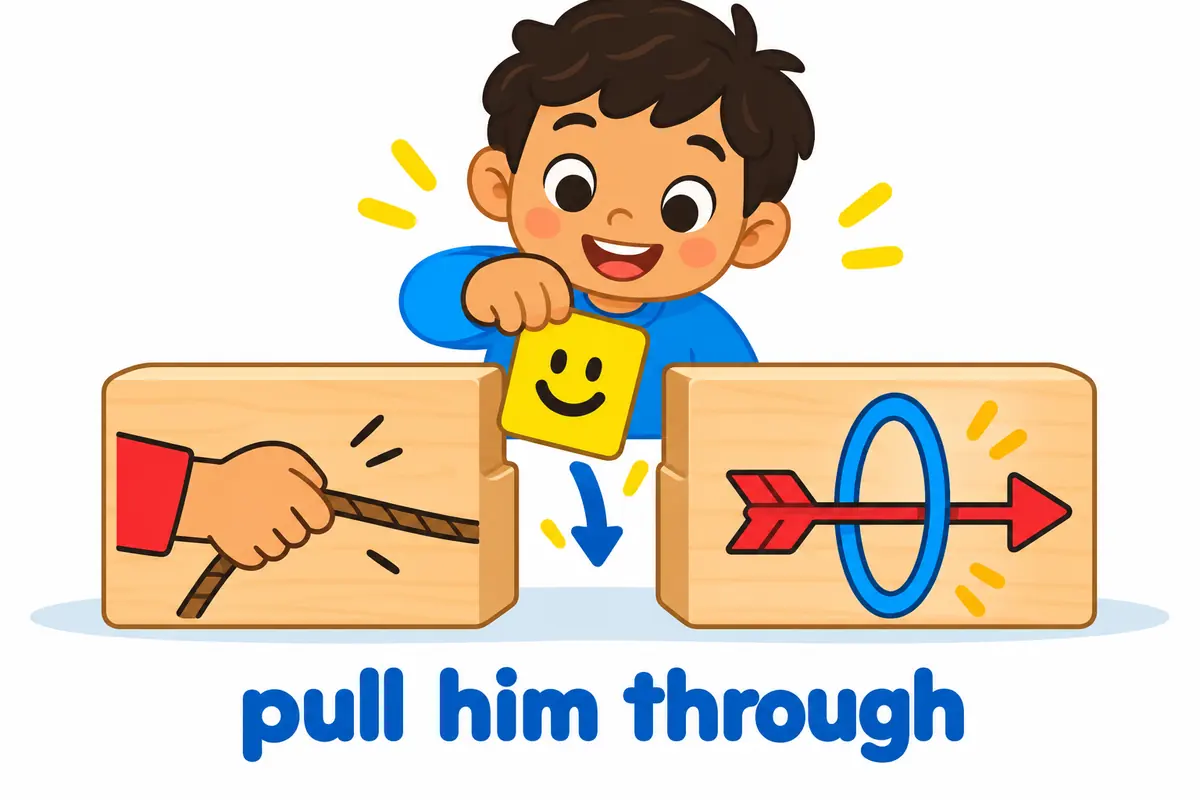
Pull through is intransitive in its main sense, so the subject is the one who recovers and nothing follows: she pulled through. Two grammar points decide most sentences. The phrase is inseparable in that intransitive sense, so you never write pull through it. When the verb means to help someone survive it becomes transitive and separable, and a pronoun must go between the verb and the particle: the doctors pulled him through, never the doctors pulled through him.
| Pattern | Example | What it signals |
|---|---|---|
| subject + pull through | The little clinic pulled through a hard winter. | Intransitive: the subject survives, with no object. |
| pull + object + through | The nurses pulled him through the night. | Transitive and separable: the object sits inside. |
| will + pull through | Everyone believed the team would pull through. | Future or reported hope, very common in speech. |
| pull through + a crisis | The company pulled through the crisis. | Names the difficulty that was survived. |
| pull through + a period | The shop pulled through the recession. | A stretch of time as the thing survived. |
Keep pull through apart from two neighbours. pull off means to succeed at something difficult, and put through means to connect someone by telephone. Neither carries the idea of surviving danger that belongs to pull through.
Pull through in a sentence: examples across contexts
Pull through keeps one core meaning, survival after difficulty, while its subject changes from a patient to a whole organisation. The sentences below show the settings the phrase actually appears in.
| Context | Example sentence | Why this works |
|---|---|---|
| Health | The doctors said the driver would pull through. | Names the medical team and the person at risk. |
| Family talk | It was a hard week, but she pulled through. | Warm spoken register with an implied danger. |
| Business pages | The chain pulled through the slump by cutting costs. | A whole company as the surviving subject. |
| Sports report | The club pulled through a season of injuries. | Frames survival as a group achievement. |
| School | The choir pulled through the loss of its pianist. | A small group surviving a setback. |
| Workplace email | Good news: the project pulled through the audit. | Cheerful, informal, mild sense of strain. |
| Finance | Smaller farms pulled through the drought with grants. | Names the hardship and the help received. |
| Storytelling | The old dog pulled through and wagged his tail. | Ends on a concrete sign of recovery. |
Pull through vs fall through
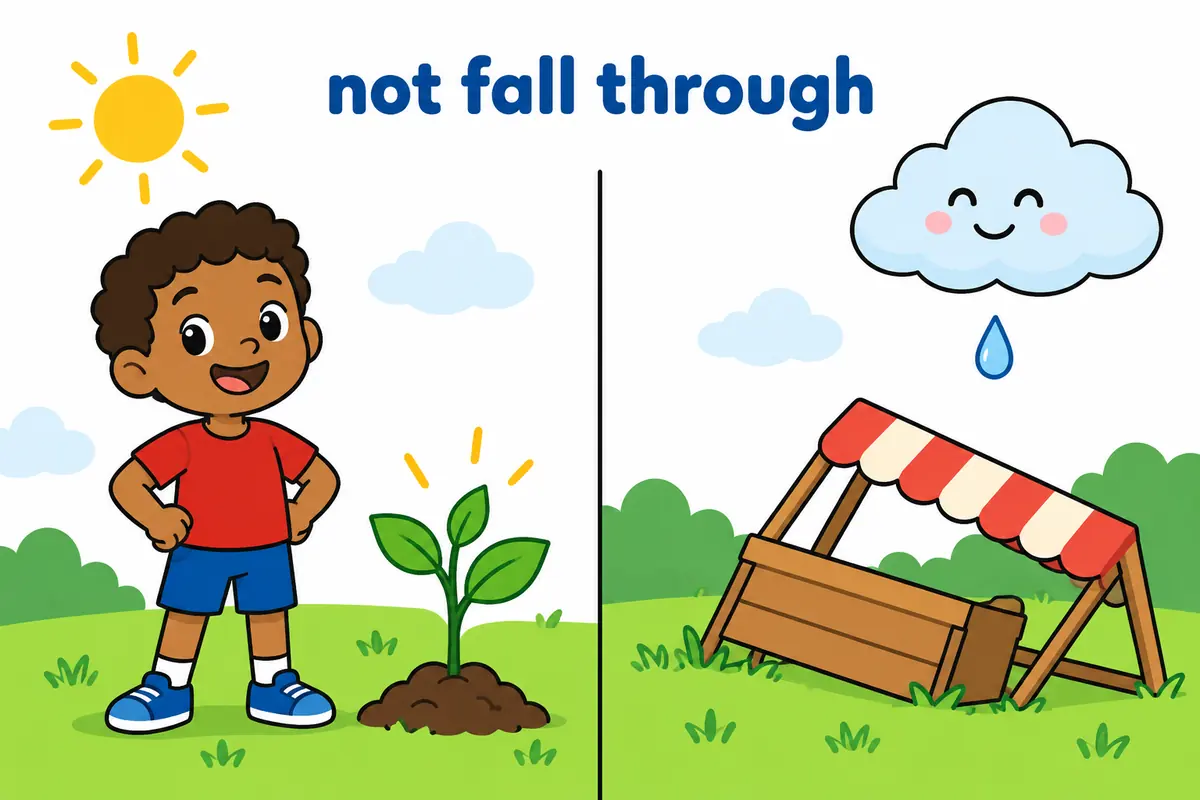
Pull through and fall through describe opposite endings. Pull through ends in survival or recovery; fall through ends in failure, usually when an arrangement stops before it is completed. The two share the particle through but pull in opposite directions.
| Attribute | pull through | fall through |
|---|---|---|
| Core meaning | Recover or survive | Fail to happen or be completed |
| Typical subject | A patient, a business, a team | A plan, a deal, an arrangement |
| Outcome | Survival, positive | Collapse, negative |
| Transitivity | Intransitive, or separable when transitive | Intransitive only |
| Common in | Health and business news | Property, contracts, negotiations |
| Tone | Warm and reassuring | Neutral and disappointing |
Verdict: choose pull through when a person or a group survives, and fall through when a plan collapses before completion. A house sale falls through, and the buyer who feared losing it can pull through only once the contract is finally signed.
Word forms and grammar of pull through
Pull through inflects like any phrasal verb: the tense moves on pull and the particle through never changes. The table also shows the separable pattern, which is the one that trips learners up.
| Form | Status | Example |
|---|---|---|
| pull through | base form | She will pull through. |
| pulls through | third person singular | He pulls through every winter. |
| pulled through | past and past participle | The business pulled through the recession. |
| pulling through | present participle | The patient is pulling through nicely. |
| pull (someone) through | separable transitive | The staff pulled her through. |
| be pulled through | passive | He was pulled through by a skilled team. |
Two related phrases mean different things: follow through means to complete what you promised, and pull back means to withdraw from a position or advance. Only pull through carries the idea of escaping danger.
Common mistakes with pull through
- Incorrect:
The doctors pulled through him.Correct: The doctors pulled him through. Rule: the object pronoun goes between the verb and the particle. - Incorrect:
The plan pulled through after the funding was refused.Correct: The plan fell through after the funding was refused. Rule: plans fall through; people and groups pull through. - Incorrect:
She pulled through the exam with top marks.Correct: She got through the exam with top marks. Rule: pull through implies recovery from danger, not ordinary success. - Incorrect:
The patient pulled through and recovered.Better: The patient pulled through. Rule: recover repeats the meaning, so one word is enough. - Incorrect:
The car pulled through the repair.Correct: The car was repaired. Rule: pull through is for living things or groups that survive, not objects being fixed.
Practice using pull through
- Fill the blank: The nurses were sure the hiker would ______ after the long rescue.
- Choose the better word: The house sale (pulled through / fell through) when the buyer lost their loan.
- Correct the error: The doctors pulled through the child after a difficult operation.
- Build a sentence: use pull through about a small bakery surviving a hard winter.
- Spot the register: which fits a news report, the firm pulled through the downturn, or the firm is doing okay now I guess?
- Make it reflexive: The team helped her survive. Use pull through instead.
Answers
- pull through. The hiker is the subject who recovers, so no object is needed.
- fell through. An arrangement that collapses before completion falls through.
- The doctors pulled the child through after a difficult operation. The object goes between the verb and the particle.
- Model answer: The little bakery pulled through a hard winter on loyal customers.
- The firm pulled through the downturn. A report keeps the precise phrasal verb.
- The team pulled her through. The transitive help sense takes the object in the middle.
The bottom line
Use pull through in a sentence when a person, a business or a group recovers from something serious or survives a dangerous stretch. The two facts that decide most uses are that the recovery sense is intransitive and that the help sense is separable, with the object between pull and through. Keep it for living things and organisations under real strain, and use fall through for the plans that do not make it.
Frequently asked questions about pull through
Is pull through separable?
In the intransitive recovery sense it is never separated: the patient pulled through, not pulled it through. When it means to help someone survive it is transitive and separable, and a pronoun must sit in the middle, as in the nurses pulled him through. Never place the pronoun after through.
What is the difference between pull through and pull off?
Pull through means to recover or survive; pull off means to succeed in doing something difficult, as in they pulled off a surprise win. Survival is the point of pull through, while skill or daring is the point of pull off. The two are not interchangeable in a sentence.
Can a business pull through?
Yes. A business, a club or a farm can pull through a recession, a drought or a bad year, meaning it survives without closing. The subject must be able to recover as a whole, so a single machine cannot pull through; it is repaired, replaced or scrapped instead.
Does pull through need a direct object?
No. In its main sense it is intransitive, so the subject recovers and nothing follows: she pulled through. An object appears only in the transitive help sense, and then it goes between the verb and the particle, as in the team pulled her through. Adding an object to the recovery sense is an error.
Have you ever found yourself in a tough situation and managed to overcome it successfully? When you manage to pull through a difficult circumstance, you demonstrate resilience and determination in the face of adversity.
To pull through means to successfully navigate a challenging or difficult situation, emerging victorious on the other side. It is a testament to your inner strength and ability to persevere when faced with obstacles or setbacks.
7 Examples Of Pull Through Used In a Sentence For Kids
- Pull through the rope to move the heavy box.
- Let’s work together to pull through this difficult puzzle.
- Use both hands to pull through the door and open it.
- We can pull through the race if we don’t give up.
- Remember to pull through the weeds while gardening.
- We need to pull through the curtains to let in more light.
- Can you help me pull through this knot in my shoelaces?
14 Sentences with Pull Through Examples
- Pull through the all-nighter and finish your assignment on time.
- Make sure to pull through the final exams with all your hard work and preparation.
- It can be tough, but you will pull through the stressful period of exams and presentations.
- With determination and focus, you can pull through the challenges of a difficult course.
- Pull through the group project by communicating effectively with your team members.
- Don’t give up, you will pull through the setbacks and obstacles in your academic journey.
- Remember to pull through the tough times by seeking support from friends and family.
- Stay organized and manage your time well to pull through the busy semester ahead.
- Believe in yourself and your abilities to pull through any academic difficulties you may face.
- Surround yourself with positive influences to help you pull through the pressure of college life.
- Seek guidance from mentors and professors to pull through academic challenges.
- Utilize campus resources and study groups to help you pull through tough courses.
- Take breaks and practice self-care to pull through the mental and physical strain of college life.
- Stay motivated and focused to pull through the distractions and temptations of student life.
How To Use Pull Through in Sentences?
Pull Through means to successfully navigate a difficult situation or challenge. When using this phrase in a sentence, it is important to ensure that it is properly integrated to convey the intended meaning.
Here is a beginner’s guide on how to use Pull Through in a sentence:
-
Identify the challenging situation or obstacle that the individual or subject has overcome or is currently facing.
-
Begin your sentence by acknowledging the difficulty of the situation. For example, “Despite facing many hardships, she managed to pull through.”
-
Follow up with the main part of the sentence, where you explicitly state that the individual or subject has successfully overcome the challenge. For instance, “By staying determined and focused, she was able to pull through and achieve her goals.”
-
Alternatively, you can also use Pull Through in a sentence that describes the act of successfully overcoming a difficult situation. For example, “With perseverance and support from loved ones, he was able to pull through the tough times.”
Remember, when using Pull Through in a sentence, the focus should be on resilience, determination, and ultimately achieving success in the face of adversity.
Practice incorporating Pull Through into different sentences to solidify your understanding of its usage and the message it conveys.
Conclusion
In conclusion, the phrase “pull through” can be used in various contexts to describe perseverance, recovery, or overcoming obstacles. It is commonly employed in situations where someone triumphs over difficult circumstances, demonstrates resilience, or successfully navigates challenging situations. For instance, sentences like “Despite the setbacks, she managed to pull through and achieve her goals” or “With determination and support, he was able to pull through the tough times” illustrate the concept of overcoming adversity.
Overall, the phrase “pull through” conveys a message of strength, resilience, and determination in the face of adversity. It serves as a reminder that with perseverance and effort, individuals can overcome challenges, emerge victorious, and achieve their desired outcomes. Whether used in personal struggles, professional setbacks, or difficult circumstances, the phrase encapsulates the idea of triumphing over adversity and emerging stronger on the other side.


