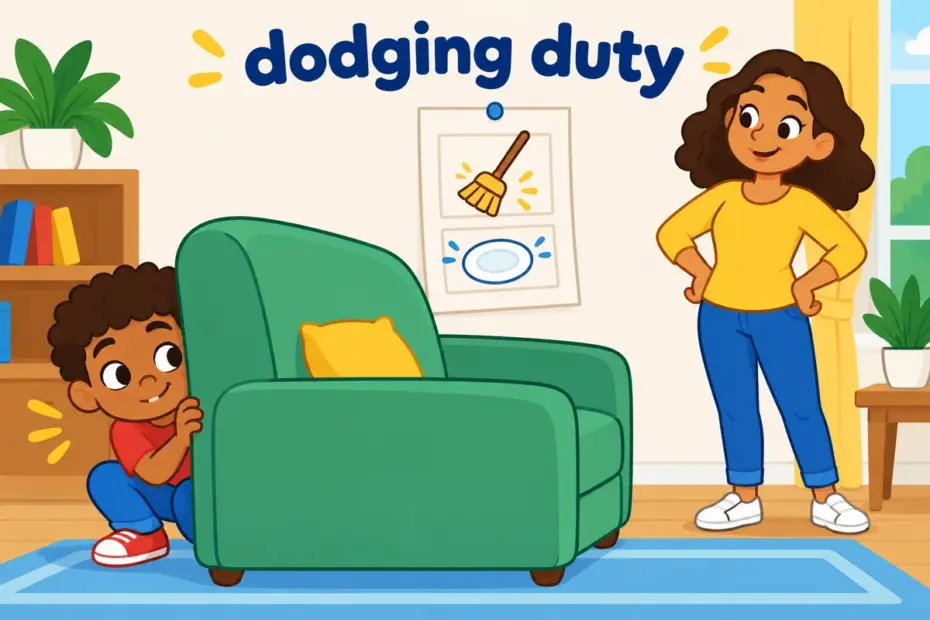
Shirk is a verb meaning to avoid or neglect a duty, especially one that a person is expected to carry out. To use shirk in a sentence, name the duty that is dodged: he shirked his share of the work. The verb is transitive and its tone is critical.
Shirk at a glance
- Shirk is a transitive verb; its forms are shirks, shirked and shirking, and the noun is shirker.
- It means to avoid or neglect a duty, responsibility or task that others expect you to do.
- The usual objects are duties, work, chores, responsibility, taxes and obligations.
- It can also appear with from: to shirk from a hard decision, though shirk a duty is more common.
- The tone is critical; the verb accuses someone of dodging what they owe.
- The commonest error is confusing shirk with neglect, which can be unintentional.
What does shirk mean?
Shirk is a verb meaning to avoid work or a duty that should be done. The Cambridge entry for shirk records the sense of avoiding a responsibility, and the verb almost always points to a person who could have acted. The duty may be small, such as washing up, or heavy, such as caring for a family, but the blame is the same.
| Sense | Plain meaning | Example sentence |
|---|---|---|
| Dodge a task | Slip out of work one is expected to do | He shirked his share of the housework. |
| Neglect an obligation | Fail to carry a duty one has accepted | The firm shirked its duty to warn buyers. |
| Shrink from a decision | Hang back from something difficult | She never shirked from hard choices. |
Shirk is not neutral avoidance and it is not simple carelessness. To avoid a question can be polite or tactical, and avoiding blame is not the same as shirking a duty. Shirk also implies that the person was able to act, so it cannot describe someone who was genuinely prevented from doing the work.
How do you use shirk in a sentence?
Shirk is transitive, so a duty, task or responsibility normally follows it directly. A company that tries to evade a tax is breaking a law, while a worker who shirks a task is simply dodging agreed work, and the two verbs are not interchangeable.
| Pattern | Example | What it signals |
|---|---|---|
| shirk + duty noun | They shirked their duties. | The transitive core, with a clear obligation. |
| shirk + responsibility | The company shirked responsibility. | The most common abstract object. |
| shirk from + noun | He never shirked from difficult decisions. | A variant with from, close to shrink from. |
| be accused of shirking | She was accused of shirking. | The gerund inside a formal accusation. |
| shirk + one’s + noun | They shirked their obligations. | Possessive makes the duty personal. |
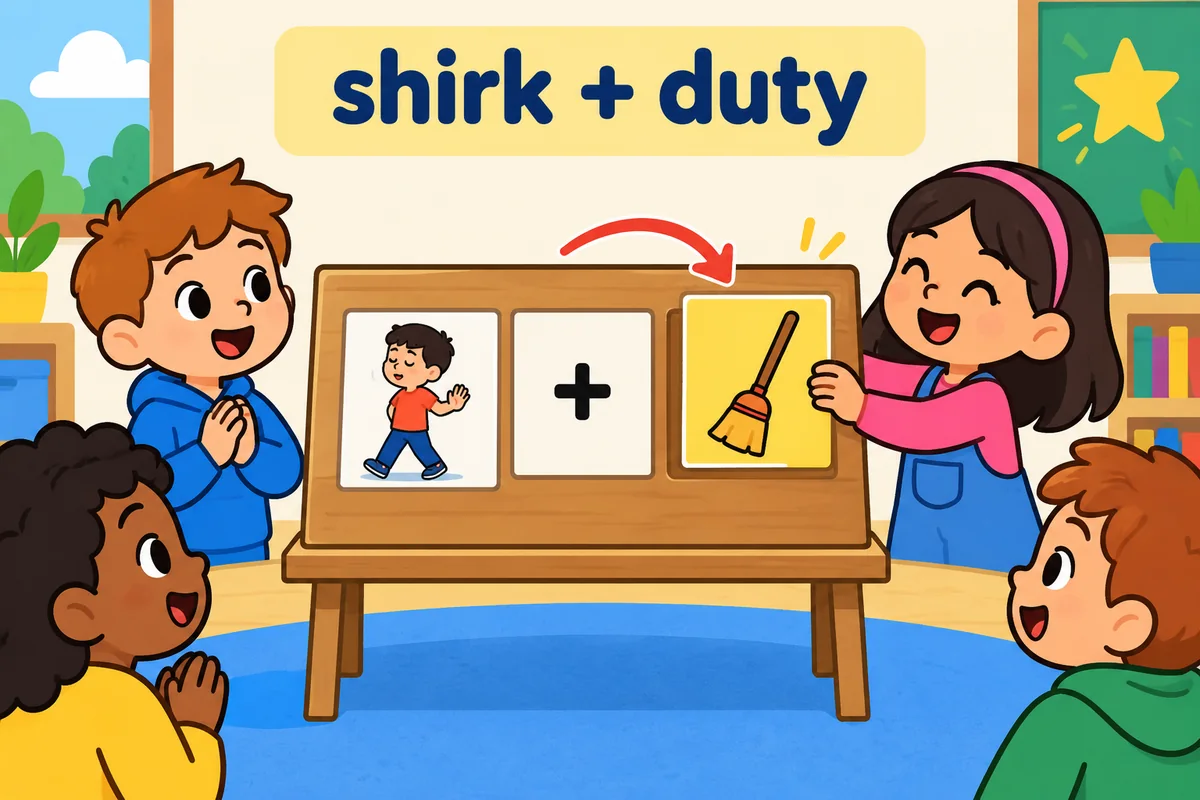
Shirk in a sentence: examples across contexts
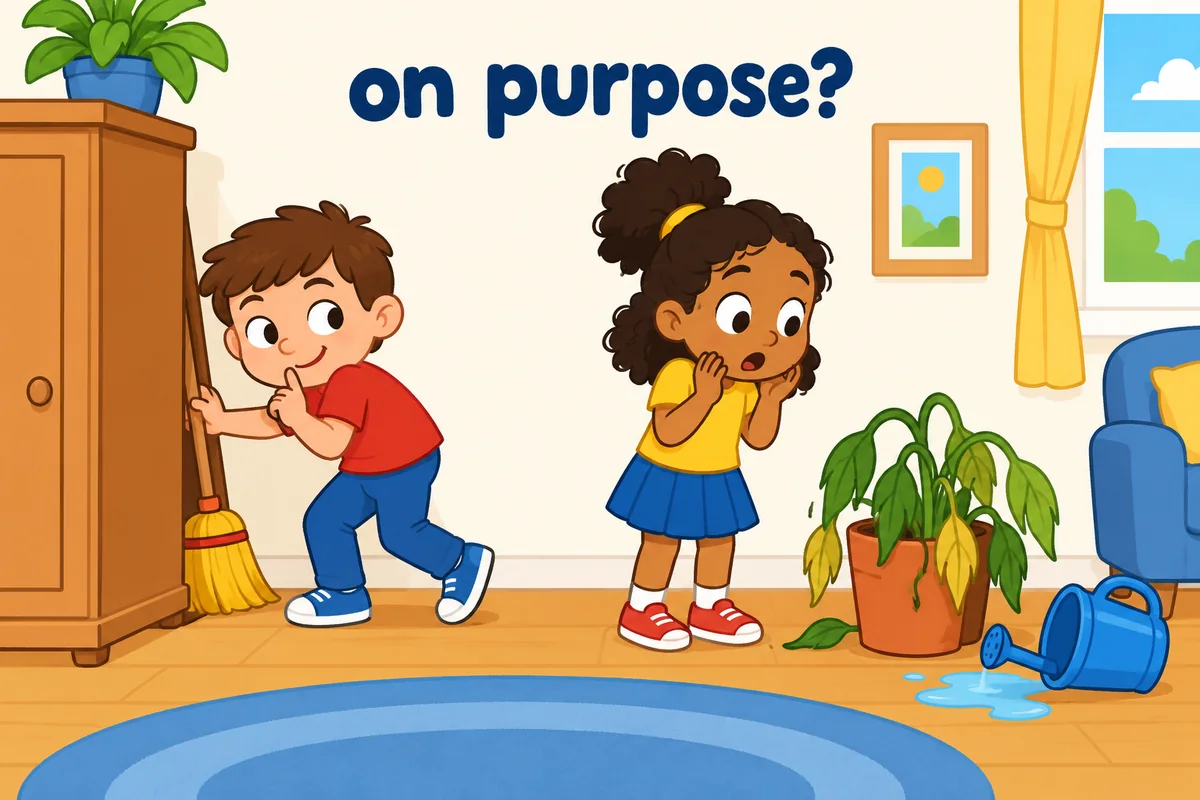
Shirking is rarely accidental, so shirk fits a scene where a character dodges a chore on purpose rather than one where the task is merely forgotten.
| Context | Example sentence | Why this works |
|---|---|---|
| Classroom | No one should shirk their part of the group project. | A shared duty with a clear object. |
| Workplace email | The note asked staff not to shirk the safety checks. | Formal instruction with a concrete duty. |
| News report | The council was accused of shirking its housing duty. | Public accountability in a formal frame. |
| Conversation | Stop shirking and help with the washing up. | Spoken criticism of a small duty. |
| Business writing | A supplier that shirks its contract will lose the account. | Consequence attached to the obligation. |
| Sports report | The striker was accused of shirking the defensive work. | Team duty inside a sports register. |
| Academic writing | Governments may shirk unpopular commitments before an election. | Abstract political obligation. |
| Parenting | He shirked bedtime duty three nights running. | Household task with a possessive. |
| Legal tone | To shirk a statutory duty can carry a penalty. | Formal warning against avoidance. |
Shirk vs neglect
Shirk and neglect a child both describe duties left undone, but shirk accuses a person of deliberate avoidance while neglect may be a sad accident. The table separates intention, object and tone.
| Attribute | Shirk | Neglect |
|---|---|---|
| Meaning | Deliberately dodge a duty | Fail to care for something |
| Intention | Usually deliberate | Often unintentional |
| Typical object | Duties, work, taxes | Children, health, property |
| Tone | Accusing | Can be factual or sad |
| Grammar | Transitive; also shirk from | Transitive; no from |
Use shirk to blame someone for dodging what they owed, and neglect for a duty that was failed or forgotten; when a worker wrongly pretends to be ill, malinger at work is the more precise verb.
Word forms and grammar of shirk
The family is small, but the noun shirker is common in criticism, and a colleague who performs a duty stands at the opposite end from one who shirks it.
| Form | Part of speech | Example |
|---|---|---|
| shirk | base verb | Do not shirk the hard part. |
| shirks | third-person singular | He shirks every chore he can. |
| shirked | past and past participle | They shirked their duties for weeks. |
| shirking | present participle and gerund | Shirking looks worse than refusing. |
| shirker | noun, a person | The foreman called him a shirker. |
| shirking of duty | formal noun phrase | The report condemned the shirking of duty. |
Common mistakes with shirk
Incorrect: He shirked of his duty. Correct: He shirked his duty. Rule: the verb is transitive and takes a direct object with no preposition.
Incorrect: She is always shirking. Correct: She is always shirking her work. Rule: shirk needs an object unless the gerund is used as a noun, as in the report condemned such shirking.
Incorrect: The accident shirked the safety check. Correct: The crew shirked the safety check. Rule: only a person or group that can choose to act may be the subject of shirk.
Incorrect: He shirked at the meeting. Correct: He shirked the meeting. Rule: shirk takes a direct object, and the prepositions at and in do not follow it.
Incorrect: They neglected their taxes on purpose. For deliberate dodging, correct to They shirked their taxes. Rule: neglect hides the intent, while shirk states it.
Practice using shirk
- Fill in the blank: Nobody may ______ the weekly safety inspection.
- Choose the better word: The family (shirked / neglected) the garden while they were abroad.
- Correct the error: The team shirked from their duties after lunch.
- Build a sentence: use shirk with responsibility in a news report.
- Spot the register: Which fits a formal warning, Do not shirk your duty or Do not dodge your duty?
- Fill in the blank: The minister was accused of ______ the difficult decision.
Answers
- shirk. The duty is the direct object of the verb.
- neglected. The garden was forgotten without blame, so neglect fits.
- The team shirked their duties after lunch. Shirk takes no from in the standard pattern.
- The firm shirked responsibility for the faulty parts. The abstract object suits a report.
- Do not shirk your duty. The formal verb matches a written warning.
- shirking. The gerund follows the preposition of.
The bottom line
Shirk means to dodge or neglect a duty that others expect you to perform, and it is transitive, critical and personal. It takes a direct object such as duties or responsibility, and it can also appear with from in the phrase shirk from a decision. Use shirk in a sentence when the avoidance is deliberate; choose neglect when the failure may be an accident.
Frequently asked questions about shirk
What is the noun form of shirk?
The noun for a person is shirker, meaning someone who habitually dodges work. The gerund shirking can also act as a noun, as in the report condemned such shirking. There is no common noun shirk on its own, so writers should use shirking or shirker rather than inventing one.
Is shirk followed by from?
Shirk usually takes a direct object with no preposition, as in shirk a duty. The variant shirk from a difficult decision does appear and means to shrink from something. The plain transitive form is safer in writing, and shirk from is best kept for idiomatic phrases about courage or hard choices.
Is shirk the same as avoid?
No. Avoid is neutral and can describe dodging anything, from a topic to traffic, with no blame attached. Shirk is narrower and always critical, because it means dodging a duty that the person was expected to carry out. Every shirk involves avoidance, but not every avoidance is a shirk.
Can shirk be used in formal writing?
Yes. Shirk suits formal writing when a duty has clearly been dodged, and it appears in news reports, business documents and academic analysis. It is more restrained than accuse of cheating and more specific than neglect, which is why formal writers often prefer it when blame is intended.
Have you ever heard of the term “shirk”? In the context of belief systems, “shirk” refers to the act of assigning partners or equals to God, or the belief in any deity other than God.
This concept holds significant importance in Islamic theology, where avoiding shirk is considered one of the most important principles of faith. The act of committing shirk is seen as a grave sin, as it goes against the fundamental belief in the oneness of God.
7 Examples Of Shirk Used In a Sentence For Kids
- Do not shirk from helping your friends.
- It is important to never shirk our responsibilities.
- Let’s all work together and not shirk our duties.
- We should always try our best and not shirk away from challenges.
- Remember to be honest and not shirk away from telling the truth.
- It is not good to shirk our homework.
14 Sentences with Shirk Examples
- It is not wise to shirk group projects as they are important for building teamwork skills.
- Some students shirk attending lectures but then struggle to pass exams.
- It is unethical to shirk academic responsibilities by copying someone else’s work.
- College students should not shirk their duty to volunteer and give back to the community.
- It’s not fair to shirk study sessions and expect to excel in exams.
- Avoid the temptation to shirk deadlines by procrastinating until the last minute.
- As college students, we should not shirk our duty to actively participate in class discussions.
- Students who shirk their commitment to group studies often find themselves unprepared for exams.
- Professors can easily detect when students try to shirk their responsibilities by not turning in assignments.
- It is important to stay focused and not shirk our responsibilities as college students.
- To succeed in college, one must be disciplined and not shirk the effort required to excel.
- It is unfair to shirk group study sessions and then expect others to carry the workload.
- College is a time to grow and learn, not to shirk responsibilities and take shortcuts.
- To make the most of their college experience, students should not shirk extracurricular activities that can help them develop valuable skills.
How To Use Shirk in Sentences?
Shirk, in a sentence, refers to the act of associating partners with God or committing idolatry. To use shirk in a sentence, consider the following example: “Committing shirk is considered a major sin in Islam.”
When incorporating shirk into a sentence, it is essential to understand its meaning and context within the religious beliefs of certain individuals. The term shirk is commonly used in discussions related to monotheistic religions like Islam, where the worship of anything other than God is strongly discouraged.
In order to use shirk in a sentence effectively, it is important to be respectful of different religious beliefs and practices. For instance, you could say, “Muslims believe that committing shirk goes against the fundamental principles of monotheism.”
Remember that shirk holds significant religious significance for many people, so it’s crucial to use the term with sensitivity and awareness of its implications. By understanding the concept of shirk and its importance in certain faiths, you can communicate more effectively and respectfully when discussing religious topics that involve the notion of associating partners with God.
Conclusion
In Islam, shirk refers to the sin of ascribing partners to Allah, which is considered the ultimate form of disbelief. It is strictly prohibited in the religion, as the concept of Tawheed (oneness of Allah) lies at the core of Islamic belief. Examples of sentences with shirk include “Associating any partners with Allah is a grave sin,” “Believers must guard themselves against shirk at all times,” and “The Quran condemns all forms of shirk.”
Understanding the seriousness of shirk is essential for Muslims to maintain their faith and devotion to Allah. It serves as a reminder to worship and trust in Him alone, without associating any partners or entities with Him. By avoiding shirk, Muslims strive to uphold the fundamental principle of monotheism in Islam and fulfill their religious duty with sincerity and devotion.