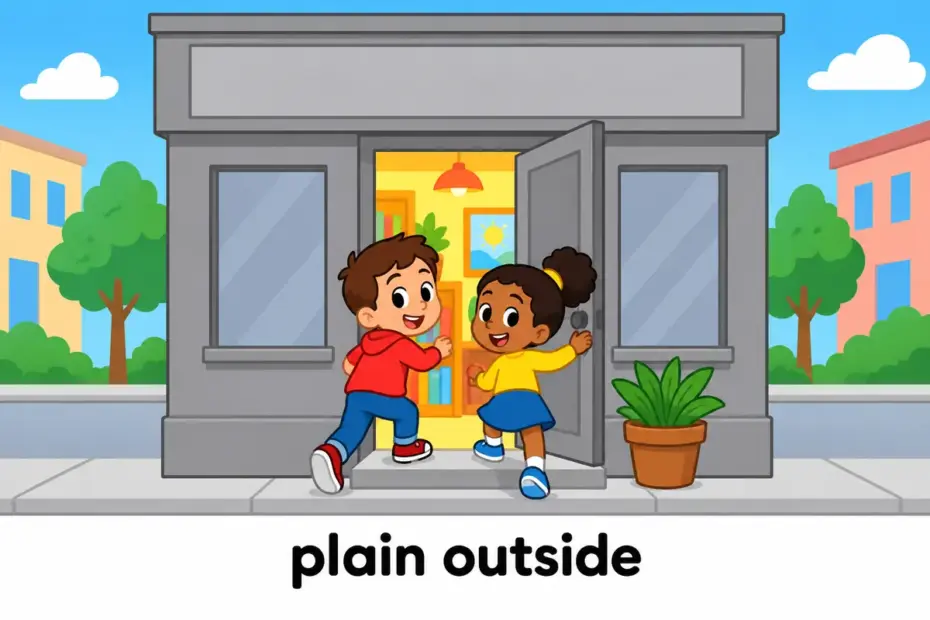
Unprepossessing means not attractive or impressive to look at, describing places, objects and faces that appear plain or drab at first glance. Unprepossessing in a sentence usually comes before a noun, as in “They rented an unprepossessing flat above the shop.” The adjective judges surface appearance, not real worth.
Unprepossessing at a glance
- Unprepossessing is an adjective meaning not attractive or impressive in appearance.
- It normally sits directly before the noun it judges: an unprepossessing office, an unprepossessing lane.
- Because it is long, its comparative forms are more unprepossessing and most unprepossessing.
- The word reports how something looks, never what it is worth or how modest its owner is.
- The commonest error is using it for quiet modesty, which is unassuming, not unprepossessing.
What does unprepossessing mean?
Unprepossessing is an adjective meaning not attractive or impressive in appearance, so it usually describes a building, a room, a face or an object that gives no promise of anything special. The Cambridge entry for unprepossessing records that single core sense, and the Merriam-Webster entry adds the useful note that the word can also mean simply not prepossessing, that is, failing to create a favourable first impression. The two senses below split that idea into looks and promise.
| Sense | Plain meaning | Example sentence |
|---|---|---|
| Not attractive to look at | Plain, drab or shabby in appearance | The unprepossessing office block hid a bright studio inside. |
| Not impressive or promising | Giving no sign of quality or importance | An unprepossessing start gave way to a strong second half. |
One limitation belongs here. Unprepossessing is a judgement of surface only, and it is weaker than ugly or repulsive: an unprepossessing room may be charming once you are inside it. It also does not mean modest, because modesty is a quality of character rather than appearance. Where a plain word serves better, plain or drab states the same surface fact without the hint of disappointment that unprepossessing carries.
How do you use unprepossessing in a sentence?
Place the adjective before the noun, or after a linking verb such as look or seem. Four patterns cover almost every real sentence, and the attributive pattern is by far the most common because English prefers the judgement to sit next to the thing judged.
| Pattern | Example | What it signals |
|---|---|---|
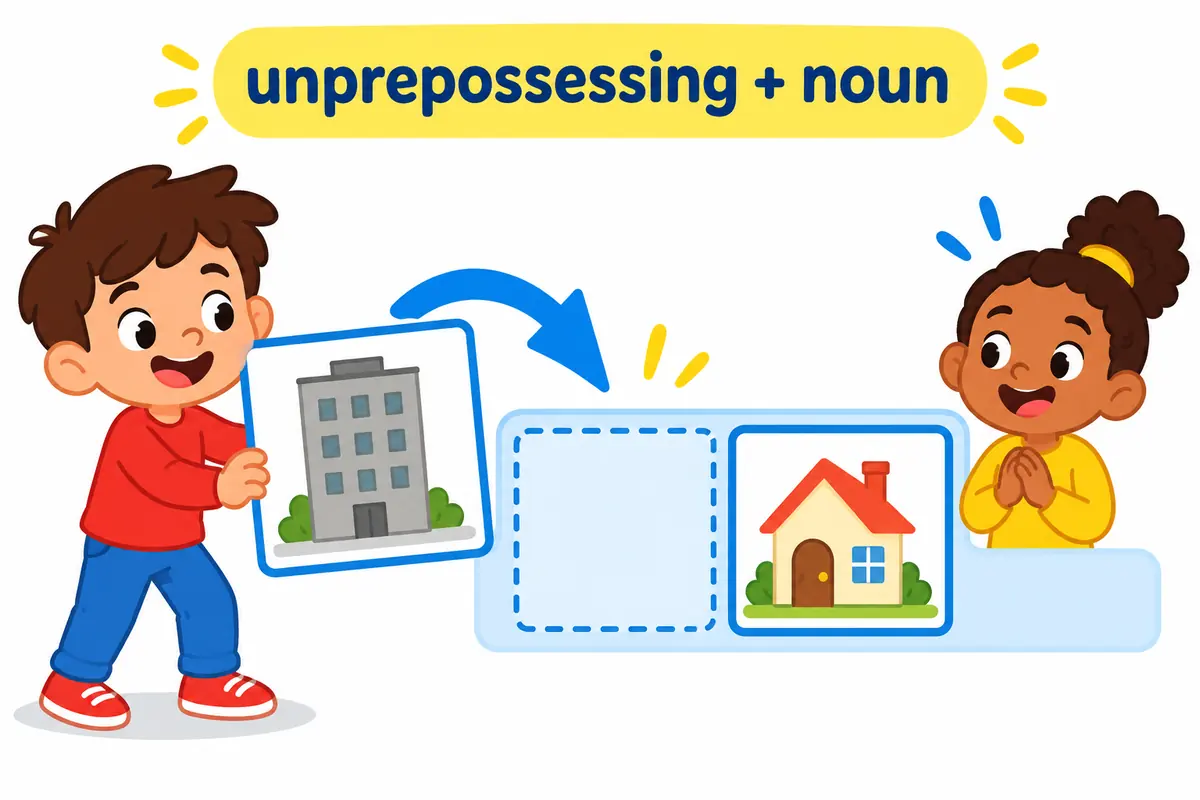
| unprepossessing + noun | They rented an unprepossessing flat above the shop. | The standard slot, before the noun it judges. |
| look / seem + unprepossessing | The entrance looked unprepossessing. | Reports a first impression rather than a settled fact. |
| find + object + unprepossessing | Visitors find the gallery unprepossessing from the street. | Names who is doing the judging. |
| more / most unprepossessing | The second venue was the most unprepossessing of all. | Long adjectives take more and most, never -er or -est. |
A native writer reaches for unprepossessing when a plain word would sound too blunt in a descriptive sentence. Saying the hotel was unprepossessing is softer and more literary than saying it was unattractive, and it invites the reader to expect a pleasant surprise later.
Unprepossessing in a sentence: examples across contexts
The word keeps the same meaning while changing company. The eight sentences below move from travel writing to a sports report, and each one names what is being judged.
| Context | Example sentence | Why this works |
|---|---|---|
| Travel writing | An unprepossessing side street opened onto the cathedral square. | Contrasts a dull approach with a grand destination. |
| Estate listing | The cottage is unprepossessing from the road but tidy within. | Softens a drawback while promising an interior. |
| News feature | Investors ignored the unprepossessing warehouse for a decade. | Explains a missed opportunity in one adjective. |
| Academic prose | The sample was drawn from an unprepossessing set of records. | Signals limited data without extra hedging. |
| Conversation | The café looked unprepossessing, but the soup was superb. | Sets up the turn from appearance to quality. |
| Food writing | An unprepossessing plate of lentils turned out to be the best course. | Uses appearance to sharpen the surprise. |
| Sports report | An unprepossessing squad finished the season unbeaten. | Describes low expectations, not low ability. |
| Business email | The site is unprepossessing, yet the footfall is high. | Balances a surface judgement against a fact. |
Notice that every sentence keeps the judgement next to the thing judged, and that the second clause usually supplies the counterweight. An unprepossessing subject in these examples is never worthless; it is merely unpromising, unlike a nondescript subject that is simply forgettable, or an unremarkable one that is correct but dull.
Unprepossessing vs unassuming
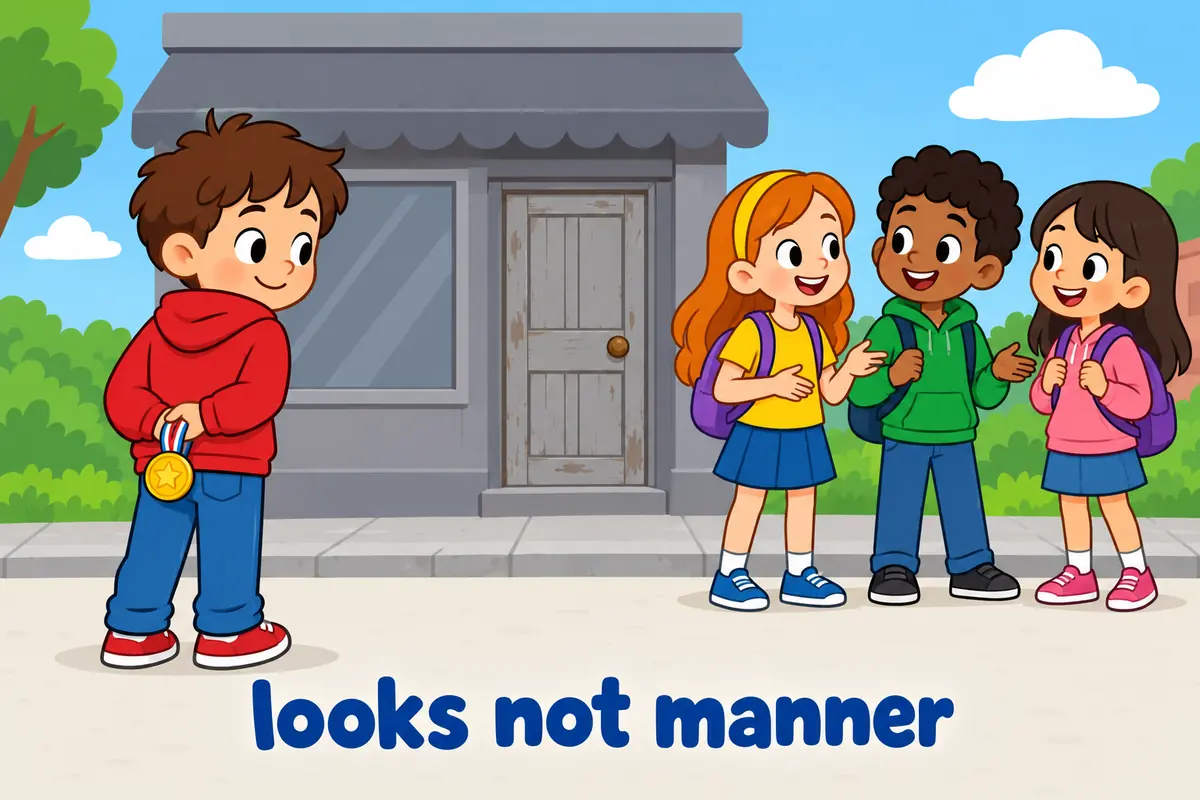
Readers frequently reach for unprepossessing when they mean unassuming, and the two adjectives are not interchangeable. Unprepossessing describes how a thing looks; unassuming describes a person or thing that makes no claim to importance, and it is a quiet compliment rather than a mild criticism.
| Attribute | unprepossessing | unassuming |
|---|---|---|
| Core meaning | Not attractive or impressive in appearance | Modest, making no show of importance |
| What it judges | Surface looks | Manner and character |
| Typical nouns | A building, a lane, a face, a start | A neighbour, an expert, a manner, an office |
| Register | Literary and descriptive | Neutral and often approving |
| What it implies | A disappointing first impression | A pleasant absence of vanity |
| Opposite | Prepossessing, striking | Boastful, pretentious |
Verdict: choose unprepossessing when you are describing a plain exterior, and unassuming when you are praising someone who does not advertise themselves; the first is a comment on looks, the second on character.
Word forms and grammar of unprepossessing
Unprepossessing is built from the older adjective prepossessing by adding the negative prefix un-. That history explains both the meaning and the mistakes learners make with its endings.
| Form | Part of speech | Example |
|---|---|---|
| unprepossessing | adjective | An unprepossessing lane led to the square. |
| prepossessing | adjective, opposite | The hotel was prepossessing from the street. |
| more unprepossessing | comparative | The rear view is even more unprepossessing. |
| most unprepossessing | superlative | It was the most unprepossessing house on the street. |
| unprepossessingly | adverb, rare | The office sat unprepossessingly above a chip shop. |
| unprepossessingness | noun, non-standard | Writers avoid this heavy noun and use plainness instead. |
The form learners build by mistake is the clipped unprepossess, made by analogy with verbs such as impress. The word has no verb behind it in modern use, so a related quality word such as unimpressive is the safer choice.
Common mistakes with unprepossessing
- Incorrect:
The manager was unprepossessing about her promotion.Correct: The manager was unassuming about her promotion. Rule: Unprepossessing describes looks; unassuming describes a modest manner. - Incorrect:
We rejected the plan because the numbers were unprepossessing.Correct: We rejected the plan because the numbers were unimpressive. Rule: Do not apply a word about appearance to figures or arguments. - Incorrect:
They moved into a unprepossessing cottage.Correct: They moved into an unprepossessing cottage. Rule: The article changes to an before the vowel sound. - Incorrect:
The hall looked unprepossess.Correct: The hall looked unprepossessing. Rule: The adjective ends in -ing and never loses it. - Incorrect:
The yard was unprepossessing than the garden.Correct: The yard was more unprepossessing than the garden. Rule: Long adjectives use more, not the -er ending.
Practice using unprepossessing
Work through the six items, then read the reasoning rather than only the answers.
- Fill the gap: The ______ doorway gave no hint of the elegant courtyard behind it.
- Choose the better word: The new colleague was quietly (unprepossessing / unassuming) about her prizes.
- Correct the error: The figures were unprepossessing, so the board asked for a review.
- Build a sentence: use unprepossessing about a plain shopfront that surprises you inside.
- Spot the register: which belongs in an estate listing — the flat is unprepossessing from the road, or the flat looks rough?
- Complete the comparison: The second hall was ______ unprepossessing of the two.
Answers
- unprepossessing — the gap needs a judgement of the doorway’s appearance.
- unassuming — the sentence praises modesty, which is a matter of manner, not looks.
- The figures were unimpressive — numbers are not judged by a word about appearance.
- Model answer: The unprepossessing shopfront opened onto a room full of rare books.
- The flat is unprepossessing from the road — an estate listing stays measured and descriptive.
- the most — the superlative of a long adjective is most unprepossessing.
The bottom line
Use unprepossessing in a sentence when you want to say that something looks plain or unpromising without calling it ugly. Two nuances decide most sentences: the adjective judges appearance only, so it says nothing about real quality, and it differs from unassuming, which praises modesty of character. Where a plainer tone is wanted, ordinary or drab carries the same surface judgement.
Frequently asked questions about unprepossessing
Is unprepossessing an insult?
Unprepossessing is a mild criticism rather than an insult, because it judges appearance instead of value. Calling a hotel unprepossessing says its outside looks plain, not that it is bad. Writers use it to soften a description, and the second half of the sentence often supplies a pleasant surprise, as in an unprepossessing café with excellent food.
Can unprepossessing describe a person?
A person can be called unprepossessing, and the phrase usually refers to a plain face or manner of dress. The comment stays on the surface, so it never claims that the person lacks ability or charm. Because it can wound, careful writers keep it for places and things, or balance it with a second clause that names a real strength.
What is the opposite of unprepossessing?
The direct opposite is prepossessing, which means attractive and creating a favourable first impression. A prepossessing entrance makes you expect something good, while an unprepossessing one makes you expect little. Other opposites in everyday use include striking, inviting and handsome, though each of those judges a slightly different kind of appearance.
Is unprepossessing formal or informal?
Unprepossessing belongs to written and descriptive English rather than casual speech. It appears in travel writing, property listings and news features, where a measured judgement of appearance is useful. In conversation most speakers simply say plain, drab or nothing much to look at, because the four-syllable adjective can sound bookish in a chat.
Have you ever come across an unprepossessing individual and been pleasantly surprised by their hidden charm? Unprepossessing, often used to describe someone or something that may not seem impressive at first glance, can actually reveal unexpected qualities upon closer inspection.
This adjective conveys the idea of lacking initial attractiveness or appeal, yet possessing qualities that become evident with time or further acquaintance. It suggests that there is more to someone or something than meets the eye, challenging us to look beyond surface appearances for true value.
7 Examples Of Unprepossessing Used In a Sentence For Kids
- The little flower was small and unprepossessing.
- The old dog had an unprepossessing appearance.
- The plain rock was unprepossessing but had hidden beauty.
- The gray caterpillar looked unprepossessing at first.
- The tiny seed grew into an unprepossessing plant.
- The small house may seem unprepossessing from the outside.
- The quiet bird had an unprepossessing song.
14 Sentences with Unprepossessing Examples
- College students often overlook the unprepossessing study areas in favor of more popular spots on campus.
- Despite his unprepossessing appearance, the professor’s lectures are always engaging and informative.
- The unprepossessing cafeteria food may not look appetizing, but it’s surprisingly tasty.
- Many college students pass by the unprepossessing library without realizing the hidden gems it holds.
- She chose the unprepossessing book from the library shelf, only to discover it was a captivating read.
- The campus dormitories may appear unprepossessing from the outside, but inside, they offer comfortable living spaces for students.
- The unprepossessing math tutor turned out to be the most effective at helping struggling students understand complex concepts.
- An unprepossessing internship opportunity may lead to valuable work experience and connections in the industry.
- Despite its unprepossessing exterior, the guest lecture turned out to be incredibly inspiring and thought-provoking.
- The student club’s unprepossessing meeting room transformed into a vibrant space for creative collaboration.
- Many students found solace in the unprepossessing campus garden, away from the hustle and bustle of academic life.
- The unprepossessing coffee shop near campus became a favorite hangout spot for late-night study sessions.
- Despite his quiet and unprepossessing demeanor, the student council president proved to be a strong leader.
- The unprepossessing campus event turned out to be a highlight of the semester, drawing in a large crowd of excited students.
How To Use Unprepossessing in Sentences?
Unprepossessing may seem like a difficult word to use, but with a little practice, you can easily incorporate it into your vocabulary. Here’s a simple guide on how to use unprepossessing in a sentence:
- Understand the meaning: Before using unprepossessing, make sure you understand its definition. It means plain or unattractive in appearance.
- Choose the right context: Look for situations where you want to describe something or someone as unappealing or lacking charm. For example, you can use unprepossessing to describe a building, a piece of clothing, or a person’s appearance.
- Formulate your sentence: Once you have the context, construct your sentence. Start by introducing the object or person you are describing, then use unprepossessing to convey its unattractive nature.
- Example sentence: “The old, abandoned house at the end of the street was unprepossessing with its peeling paint and broken windows.”
- Practice using it: The more you practice using unprepossessing in sentences, the more comfortable you will become with incorporating it into your everyday language.
Remember, using new words like unprepossessing takes time and practice. Don’t be afraid to experiment with different sentence structures and contexts to solidify your understanding of the word.
Conclusion
In conclusion, the sentences with the keyword “unprepossessing” highlight a diverse range of contexts where this term can be applied. From describing physical appearances to evaluating the charm or appeal of something, these sentences bring attention to the less remarkable aspects of people, places, or objects. The term “unprepossessing” is used to convey an idea of modesty or lack of ostentation, often suggesting a simplicity that may be overlooked or underestimated.
By exploring these sentences, we can appreciate the nuanced ways in which language can shape our perceptions and judgments. Whether describing a plain room or an unassuming individual, the term “unprepossessing” offers a subtle yet powerful way to convey a sense of unpretentiousness and understated beauty.