Skip to content
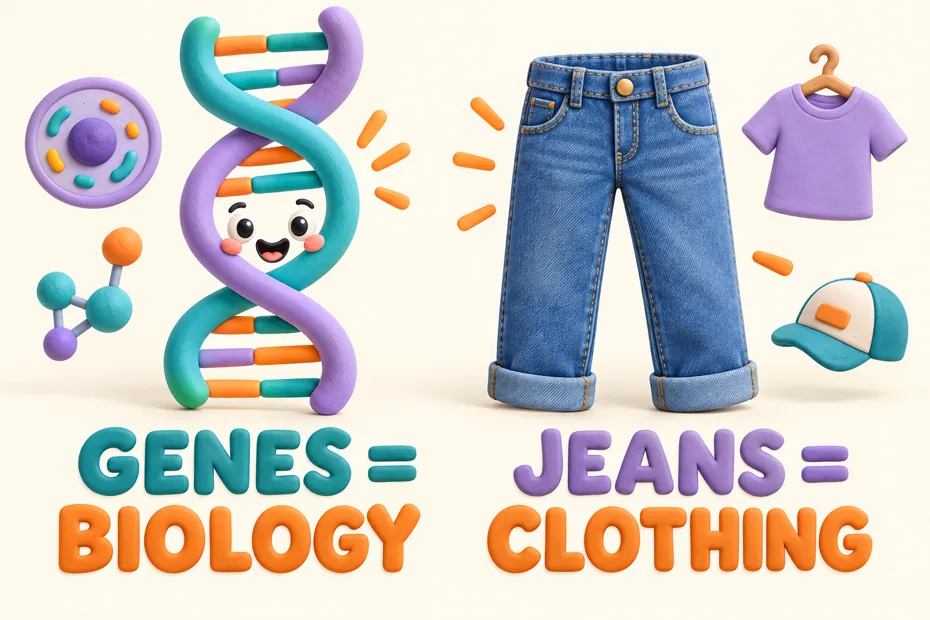
Genes concerns biology; jeans concerns clothing.

Unraveling the Mysteries of Health: Harnessing the Power of Genes

    When it comes to genes vs jeans, it’s not just about fashion choices, but also about understanding our genetic makeup and how it influences our health. As someone who has always been fascinated by the intricate workings of our bodies, I’ve delved into the world of genetics to uncover the secrets hidden within our DNA. In this text, I’ll explore the importance of using genes appropriately in variou
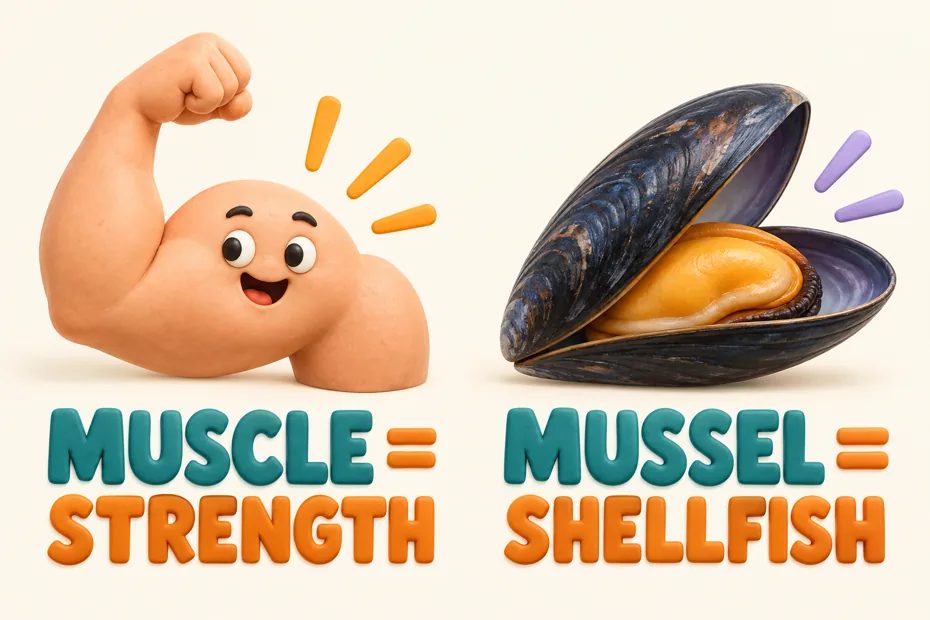
    Muscle concerns strength; mussel names shellfish.

    Understanding the Difference: Muscle vs Mussel – Correct Usage Explained

      Have you ever found yourself confused between “muscle” and “mussel”? Don’t worry, you’re not alone. These two words may sound similar, but they have completely different meanings. In this text, I’ll guide you through the proper usage of “muscle” and “mussel” so that you never mix them up again. From understanding their definitions to exploring common phrases and examples, we’ll unravel the intrica

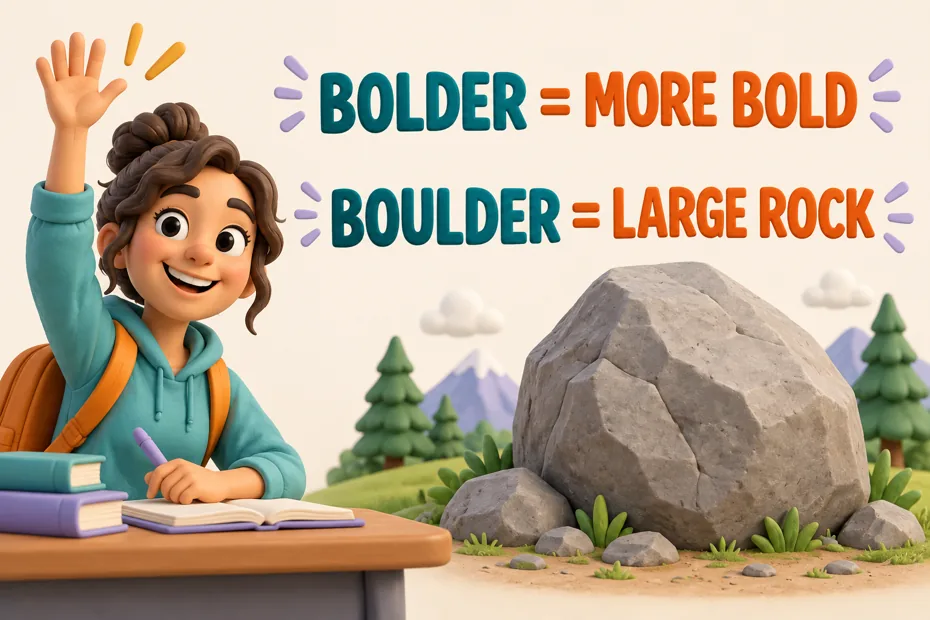
      Bolder means more bold; boulder means a large rock.

      Bolder vs Boulder: Understanding the Proper Usage and Importance of Using Each Word Appropriately

        Bolder is the comparative form of bold, meaning more daring, more striking, or more prominent. Boulder is a noun naming a large rock. Write “a bolder plan” for a stronger or more daring proposal and “a boulder beside the path” for the physical rock. Bolder vs. boulder: key facts Bolder compares the degree of boldness.… Read More »Bolder vs Boulder: Understanding the Proper Usage and Importance of Using Each Word Appropriately

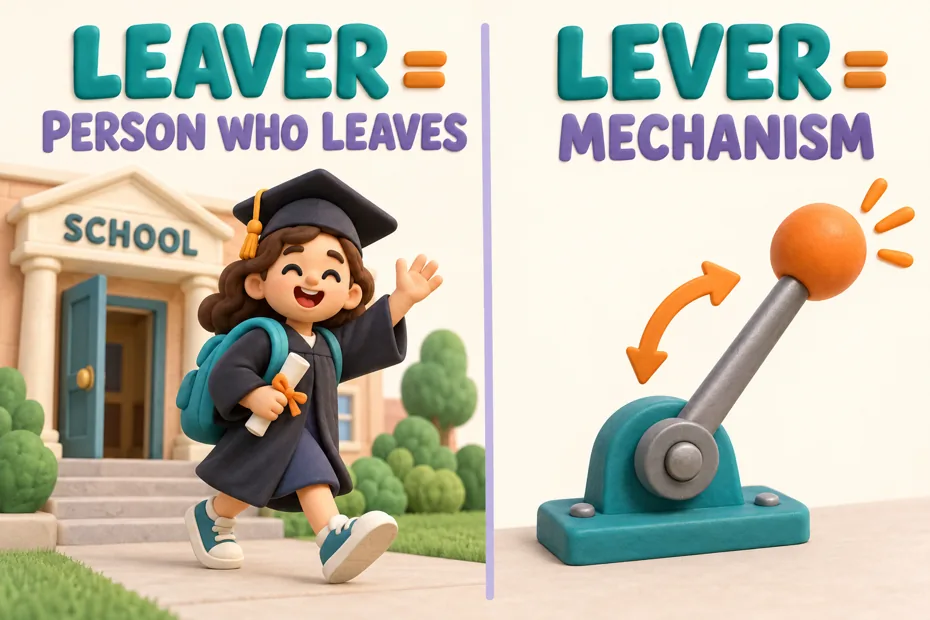
        Leaver means a person who leaves; lever names a mechanism.

        The Ultimate Guide to Using “Leaver” vs “Lever” Appropriately and Avoiding Spelling Mistakes

          Have you ever found yourself confused between “leaver” and “lever”? Don’t worry, you’re not alone. In this text, I’ll guide you through the proper usage of these two words, helping you avoid common mistakes and ensuring clear communication. Whether you’re a native English speaker or learning English as a second language, understanding the difference between “leaver” and “lever” is essential for ef

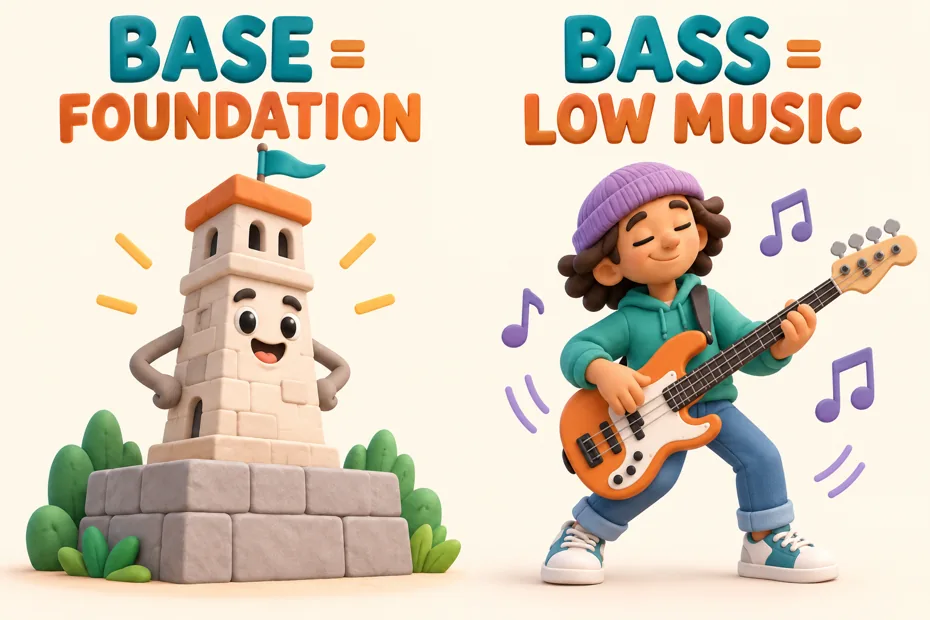
          Base names a foundation; musical bass concerns low pitch.

          Understanding the Difference Between Base and Bass: Using Appropriately for Clear Communication and Effective Writing

            Have you ever found yourself confused between the words “base” and “bass”? I know I have! In this text, I’ll guide you through the proper usage of these commonly misused words. Understanding the difference between “base” and “bass” is essential for clear and effective communication. Whether you’re writing an essay, email, or simply having a conversation, using these words appropriately will elevat

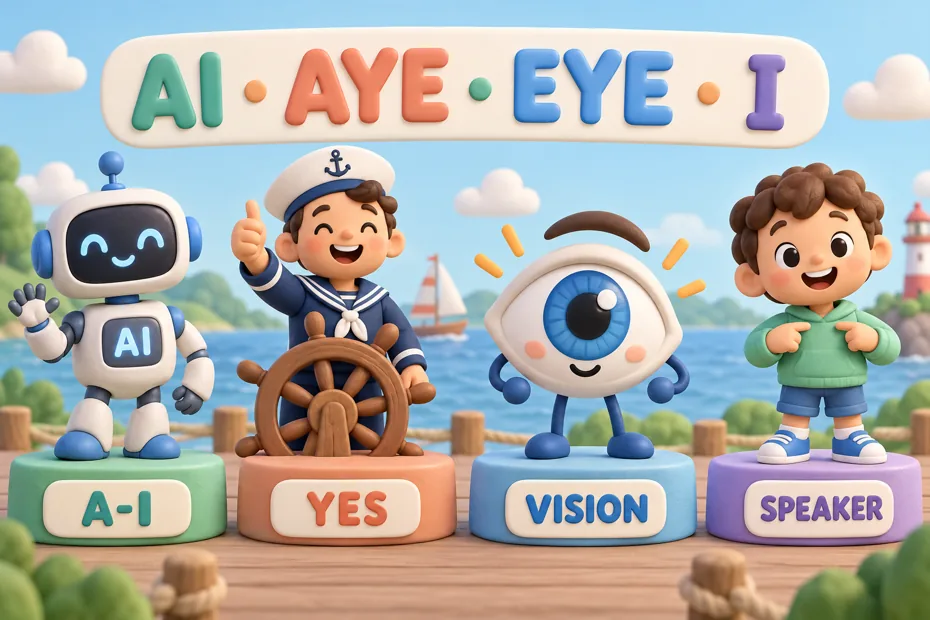
            AI, aye, eye, and I illustrated by a robot, sailor, eye, and speaker

            Understanding the Differences and Usage of AI, Aye, Eye, and I: How to Use Them Appropriately

              AI, aye, eye, and I: the quick answer AI abbreviates artificial intelligence and is pronounced as the two letters A-I. Aye means yes, eye names an organ of sight, and I identifies the speaker. Aye, eye, and I commonly sound alike; AI does not. The lowercase dictionary word ai can also name a three-toed sloth.… Read More »Understanding the Differences and Usage of AI, Aye, Eye, and I: How to Use Them Appropriately

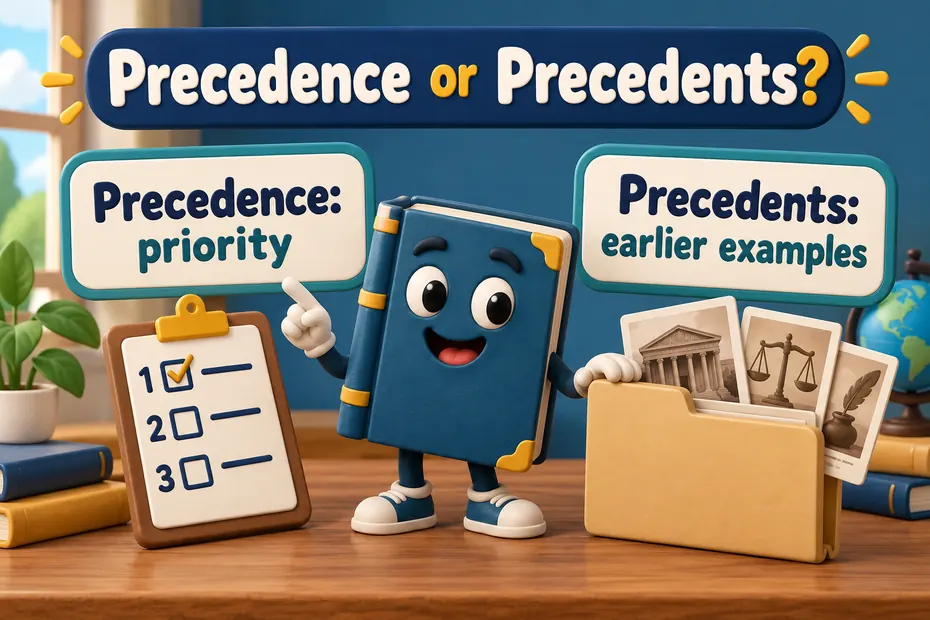
              A book mascot compares precedence as priority with precedents as earlier examples.

              Mastering the Difference: Properly Using Precedence vs Precedents

                Precedence vs. Precedents: Meaning and Examples Quick answer: Precedence means priority or the order in which something should come first: “Safety takes precedence over speed.” A precedent is an earlier action, decision, or case that can guide a later one: “The ruling set a precedent.” Precedents is the plural of precedent. When to use “precedence”… Read More »Mastering the Difference: Properly Using Precedence vs Precedents

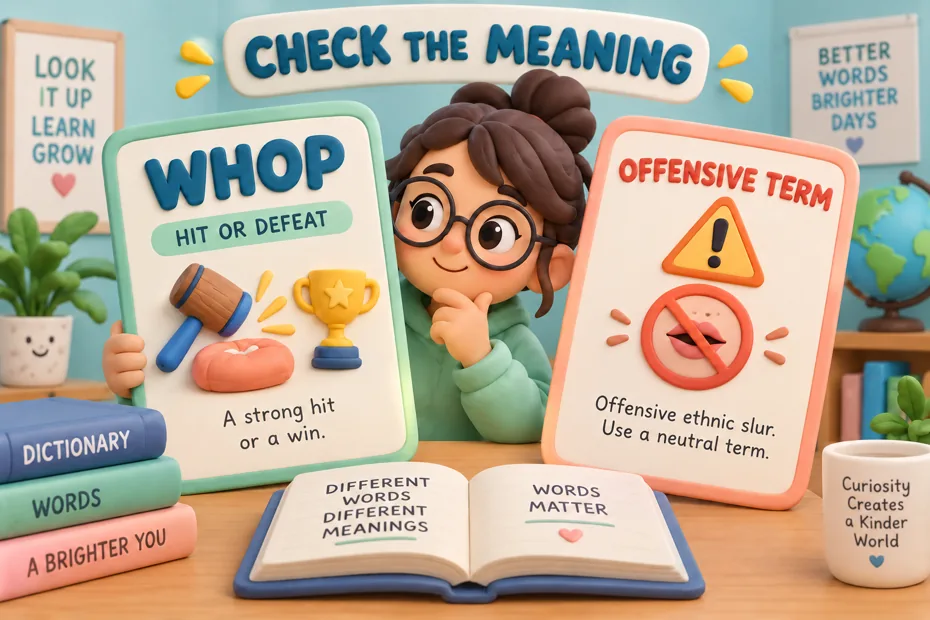
                Editor compares whop meaning hit or defeat with an offensive-term caution

                Mastering the Art of Using ‘Whop’ and ‘Wop’ Appropriately: A Comprehensive Guide

                  Have you ever found yourself unsure whether to use “whop” or “wop” in your writing? As a language enthusiast, I understand the importance of using words appropriately and accurately. In this text, I’ll investigate into the differences between “whop” and “wop” and provide you with clear guidelines on when to use each one. Understanding the nuances of these words will not only enhance your writing b

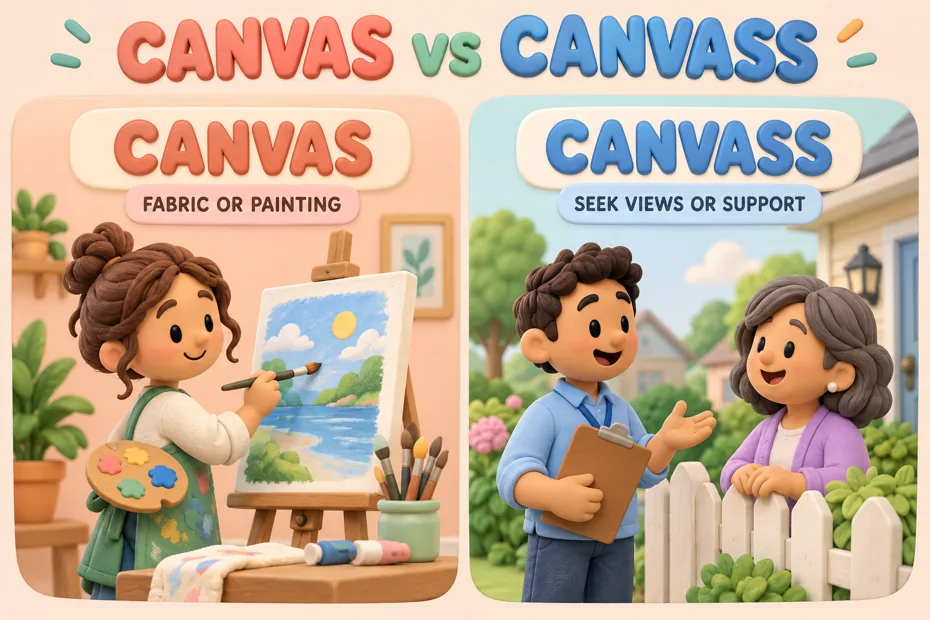
                  Artist paints on canvas while volunteer canvasses a neighbor for views

                  Master the Art of Using ‘Canvas’ and ‘Canvass’ Appropriately

                    Canvas versus canvass: the quick distinction Canvas usually names sturdy cloth, a painting surface, or a painting on that surface. Canvass usually means to seek opinions, orders, or support, or to examine something thoroughly. Write “paint on canvas” and “canvass residents.” Both commonly sound like CAN-vuss, so the meaning determines the usual spelling. Clarification for… Read More »Master the Art of Using ‘Canvas’ and ‘Canvass’ Appropriately

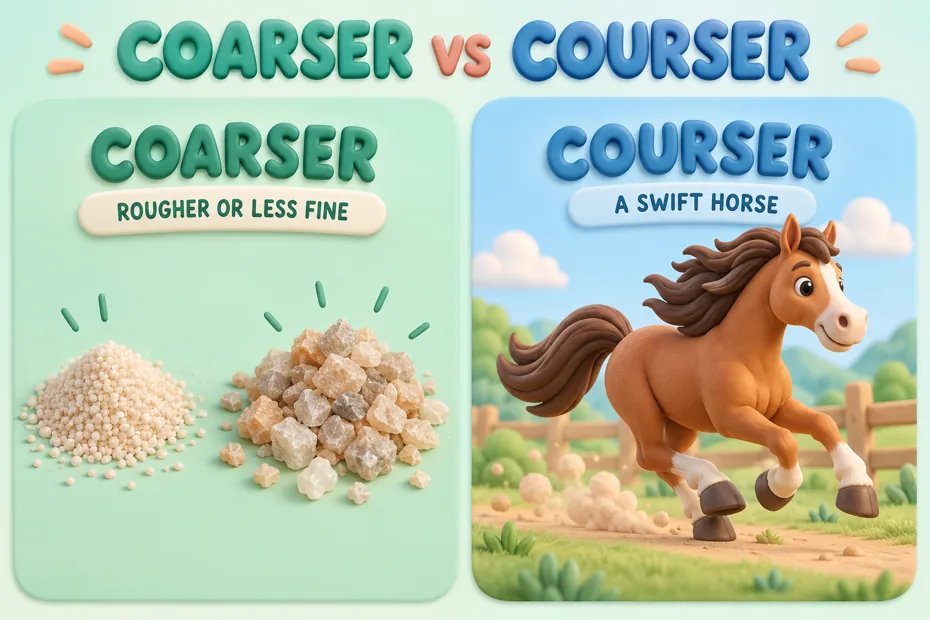
                    Coarser grains compared with a swift horse called a courser

                    Mastering Coarser vs Courser: Tips for Appropriately Using the Correct Term

                      Coarser versus courser: the correct distinction Coarser is the comparative of coarse: rougher, less fine, or less refined. Courser is a noun with meanings including a swift horse, a coursing dog, or a type of running bird. Write “coarser sand” for a texture comparison and “a courser” when the intended meaning is the animal noun.… Read More »Mastering Coarser vs Courser: Tips for Appropriately Using the Correct Term

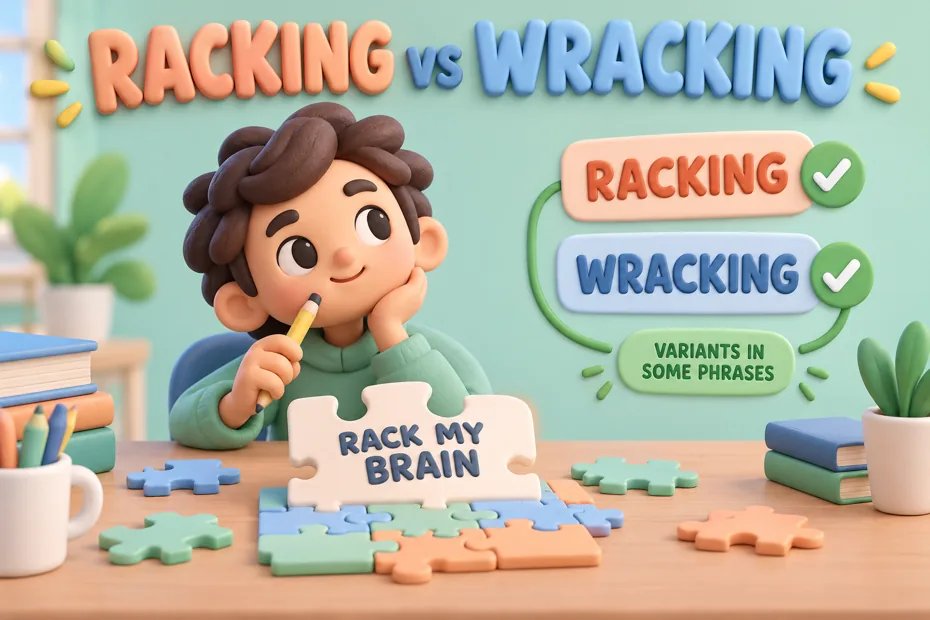
                      Student considers rack my brain with racking and wracking variant cards

                      Understanding the Difference between Racking and Wracking: Using Appropriately for Effective Communication

                        Have you ever found yourself confused about whether to use “racking” or “wracking” in your writing? Well, fear no more, because in this text, I’ll provide you with a clear understanding of when and how to use these two words appropriately. As a seasoned writer, I’ve encountered this dilemma countless times, and I’m here to shed some light on the subject for you.
                        In the following paragraphs, I’ll e

                        Travelers fated to meet contrasted with an author being feted

                        Fated vs. Feted: How to Use These Words Appropriately for Effective Communication

                          Have you ever found yourself confused between “fated” and “feted”? These two words may sound similar, but their meanings couldn’t be more different. In this text, I’ll guide you on how to use these words appropriately, so you can avoid any embarrassing mix-ups in your writing.
                          “Fated” refers to something that is predetermined or destined to happen. It carries a sense of inevitability, as if it was

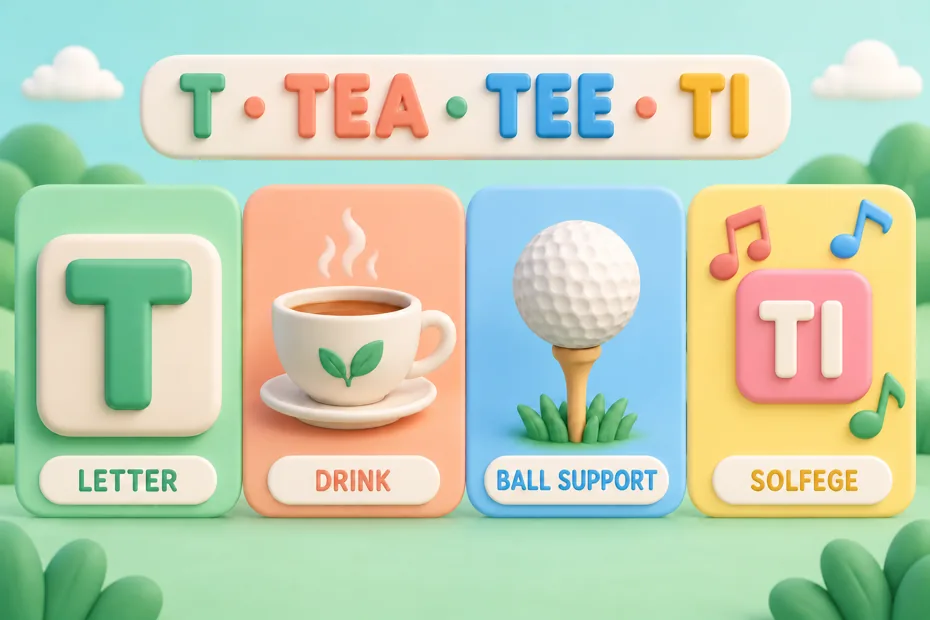
                          T alphabet letter, tea drink, tee ball support, and ti music syllable

                          Mastering the Differences: Using “t,” “tea,” “tee,” and “ti” Appropriately

                            Have you ever found yourself confused about when to use “t,” “tea,” “tee,” or “ti”? As an expert in language and communication, I’ve encountered this dilemma countless times. In this text, I’ll guide you through the proper usage of these terms, helping you avoid common mistakes and communicate more effectively.
                            We’ll start by examining the differences between “t,” “tea,” “tee,” and “ti” and their