Herpetology in a Sentence: Meaning, Examples & Practice
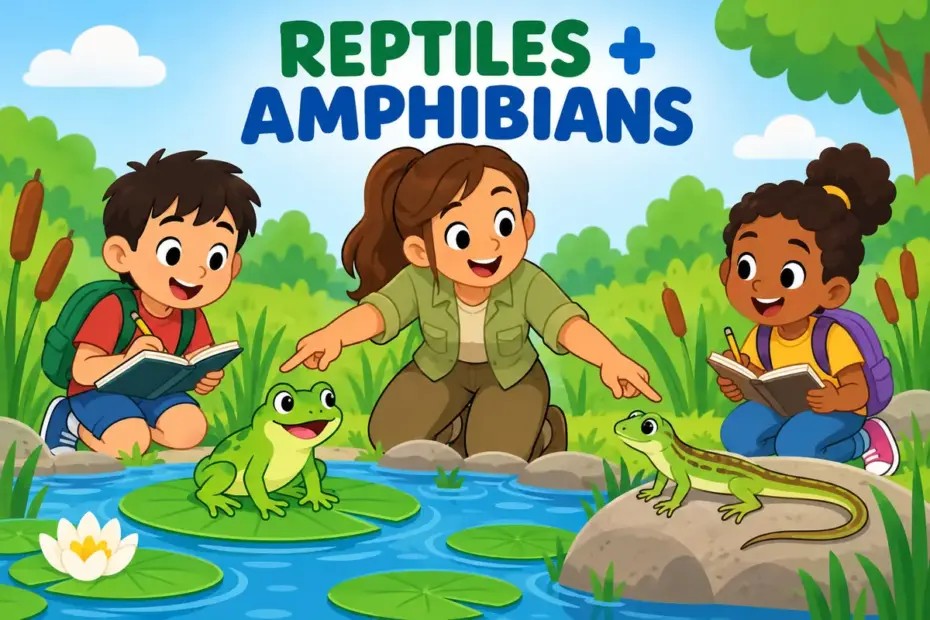
Herpetology is the branch of zoology that studies reptiles and amphibians. To use herpetology in a sentence, treat it as the name of a field: “She chose herpetology after a summer counting frogs.” The word covers snakes, lizards, turtles, frogs and salamanders, not insects or birds.
Herpetology at a glance
- Herpetology is a noun naming a branch of zoology.
- It covers reptiles and amphibians, the animals often called herps.
- A person who works in the field is a herpetologist.
- The adjective is herpetological; the collective noun is herpetofauna.
- The commonest error is confusing it with entomology, the study of insects.
What does herpetology mean?
Herpetology is a noun meaning the scientific study of reptiles and amphibians. The Cambridge entry for herpetology names the field directly, and the scope is the useful part: snakes, lizards, turtles, crocodilians, frogs, toads, newts and salamanders all fall inside it. The related term an amphibian names one half of the subject, while the reptiles form the other.
The two groups are studied together as a matter of practice rather than ancestry. Both are ectothermic and both are often found in the same warm, damp habitats, so one branch of zoology grew around the pair. Herpetology is therefore a convenience of scope, not a claim that a frog is a close cousin of a snake.
| Group | What it includes | Example sentence |
|---|---|---|
| Reptiles | Snakes, lizards, turtles, crocodilians | His herpetology project catalogued every lizard on the ridge. |
| Amphibians | Frogs, toads, newts and salamanders | Herpetology fieldwork often starts at a pond after rain. |
One limitation is worth stating plainly. Herpetology is not the everyday word for keeping pet snakes, which is amateur husbandry rather than research, and it does not cover birds, fish or insects. It is also narrower than biology or ecology, which study whole living systems rather than two animal groups.
How do you use herpetology in a sentence?
Herpetology behaves like the name of any academic field, so it slots into the same patterns as biology or geology. The four patterns below cover almost every real sentence, from a course listing to a regional survey.
| Pattern | Example | What it signals |
|---|---|---|
| study/degree in + herpetology | She took a degree in herpetology. | Names the field as a subject of study. |
| herpetology + noun | A herpetology lab opened on campus. | Attributive use, common in titles and signs. |
| the herpetology of + place | The herpetology of the island is poorly recorded. | Names the reptile and amphibian fauna of a region. |
| work in / do + herpetology | He does herpetology in the coastal wetlands. | An ordinary way to describe a career. |
| herpetology survey + noun | The herpetology survey found three new species. | Names a research activity or event. |
Because the field sits inside a larger one, a sentence often names the parent subject too: a degree in biology can lead into a specialism, while herpetology names the branch itself.
Some sentences name the specialist instead of the field. A herpetologist identifies species, runs surveys and writes the reports, while herpetology names the knowledge those activities produce. The distinction matters in job adverts, which ask for a herpetologist rather than for herpetology itself.
Herpetology in a sentence: examples across contexts
Herpetology shifts between campus, fieldwork and the museum label, and most sentences frame it as a field, a course or a survey. The ten sentences below show those frames in action.
| Context | Example sentence | Why this works |
|---|---|---|
| Classroom | The class learned that herpetology covers frogs as well as snakes. | A plain statement of scope corrects the commonest guess. |
| University listing | Herpetology is offered as a final-year module. | A course listing treats the field as a subject title. |
| Fieldwork report | Herpetology surveys ran for three nights after the first rain. | Names the activity and its timing in a methods note. |
| Museum label | The collection became a centre for herpetology in the region. | Places a field inside an institution. |
| News report | A herpetology student identified the snake that closed the pool. | Attributive use credits a specialist. |
| Research abstract | The study bridges herpetology and conservation genetics. | Shows the field linking with a neighbouring discipline. |
| Career advice | Volunteering at a reptile centre is a common route into herpetology. | Names the field as a career destination. |
| Conservation writing | Herpetology data underpin the wetland protection plan. | Shows research feeding into policy. |
| Zoo education | The keeper used herpetology to explain why the snake needed a heat lamp. | Shows the field informing everyday animal care. |
| Conservation policy | Herpetology records helped the council protect a breeding pond. | Links specialist knowledge to a public decision. |
| Conversation | He talks about herpetology the way other people talk about football. | Even casually, the word names a consuming interest. |
Fieldwork sentences often name the animal directly, so a report might say the team recorded every snake and frog along the transect rather than repeat the field name. A single line can move between the two levels, naming the herpetology of a site and then listing the species behind the total.
Herpetology vs ecology
Herpetology names two animal groups; ecology, the study of organisms and their surroundings, names a whole way of asking questions. A herpetologist can work ecologically, and an ecologist may study frogs without being a herpetologist. The table separates what each word actually names.
| Attribute | herpetology | ecology | reptile keeping |
|---|---|---|---|
| What it names | A group of animals | A relationship to the environment | A kind of animal |
| Scope | Reptiles and amphibians | Any organism and its habitat | Snakes, lizards, turtles, frogs |
| Typical question | Which species live here? | How do they interact with the habitat? | What is this species? |
| Typical methods | Surveys and taxonomy | Population and habitat studies | Identification and husbandry |
| Who uses the term | Specialists and curators | Researchers and planners | Keepers and hobbyists |
Verdict: choose herpetology when the subject is the reptiles and amphibians themselves, ecology when the question is how they live with their surroundings, and reptile keeping when the activity is caring for them at home.
The overlap is real but one-directional. Every herpetologist uses ecological ideas, yet an ecologist who studies beetles never needs the word herpetology. That is why a sentence about habitat loss usually reaches for ecology, while a sentence about which reptiles live where stays with herpetology.
Word forms and grammar of herpetology
Herpetology is an uncountable noun, so it never takes a or an and never becomes plural. The table lists the related forms a reader is likely to meet.
| Form | Part of speech | Example |
|---|---|---|
| herpetology | noun, uncountable | Herpetology began as a branch of natural history. |
| herpetologist | noun, the person | A herpetologist checked the traps at dawn. |
| herpetologists | noun, plural of the person | Two herpetologists led the survey. |
| herpetological | adjective | The society publishes a herpetological journal. |
| herpetofauna | noun, collective | The island’s herpetofauna is unusually rich. |
| herps | noun, informal plural | Local guides know where the herps hide. |
Common mistakes with herpetology
- Incorrect:
Herpetology is the study of insects.Correct: Herpetology is the study of reptiles and amphibians. Rule: insects belong to entomology, a different field. - Incorrect:
He works as a herpetology.Correct: He works in herpetology, or he is a herpetologist. Rule: herpetology is the field, so it cannot name a person. - Incorrect:
She studies snakes and birds in herpetology.Correct: She studies snakes and frogs in herpetology. Rule: birds lie outside herpetology, which covers reptiles and amphibians. - Incorrect:
The zoo’s herpetology keeper feeds the otters.Correct: The zoo’s herpetology keeper feeds the reptiles. Rule: otters are mammals and sit outside the field. - Incorrect:
He is a herpetology person.Correct: He is a herpetologist. Rule: the person takes its own noun form. - Incorrect:
Herpetology focuses on the ecology of wetlands.Correct: Ecology focuses on the ecology of wetlands, while herpetology covers reptiles and amphibians. Rule: herpetology names a group of animals, not a habitat study.
Practice using herpetology
Work through the seven items, then read the reason beside each answer.
- Fill the gap: The museum’s ______ collection includes turtles as well as snakes.
- Choose the better word: Beetles and moths belong to (herpetology / entomology).
- Correct the error: She is studying herpetology to become a herpetology.
- Build a sentence: use the herpetology of about a poorly recorded island.
- Spot the register: which belongs in a course handbook — this module introduces herpetology, or we look at cool lizards?
- Rewrite for a person: The survey was led by herpetology experts. Use the singular person noun.
- Fill the gap: The island’s ______ includes both snakes and salamanders.
Answers
- herpetology — the field name can modify a noun such as collection.
- entomology — insects are outside herpetology and belong to entomology.
- She is studying herpetology to become a herpetologist — the person needs the -ist noun.
- Model answer: The herpetology of the island is still poorly recorded.
- This module introduces herpetology — a handbook keeps the formal field name.
- The survey was led by a herpetologist — the singular person noun replaces the awkward modifier.
- herpetofauna — the collective noun covers the reptiles and amphibians of a place together.
The bottom line
Use herpetology in a sentence when the subject is the scientific study of reptiles and amphibians, and frame it as a field, a course or a survey. Two details decide most sentences: the word is uncountable, so it takes no article, and it names the discipline rather than the animals or the person who studies them. When the subject is how those animals fit a habitat, ecology is the broader term.
Frequently asked questions about herpetology
What does herpetology study?
Herpetology is the branch of zoology that studies reptiles and amphibians. Reptiles include snakes, lizards, turtles and crocodilians, while amphibians include frogs, toads, newts and salamanders. The field covers their classification, behaviour, ecology and conservation, and it is one of the standard specialisms inside a biology degree.
What is a person who studies herpetology called?
A person who works in the field is a herpetologist. The word follows the usual pattern for academic specialisms, where the -ology ending names the subject and the -ologist ending names the person, as in biology and biologist. The adjective form, herpetological, describes things such as journals or surveys.
Is herpetology the same as entomology?
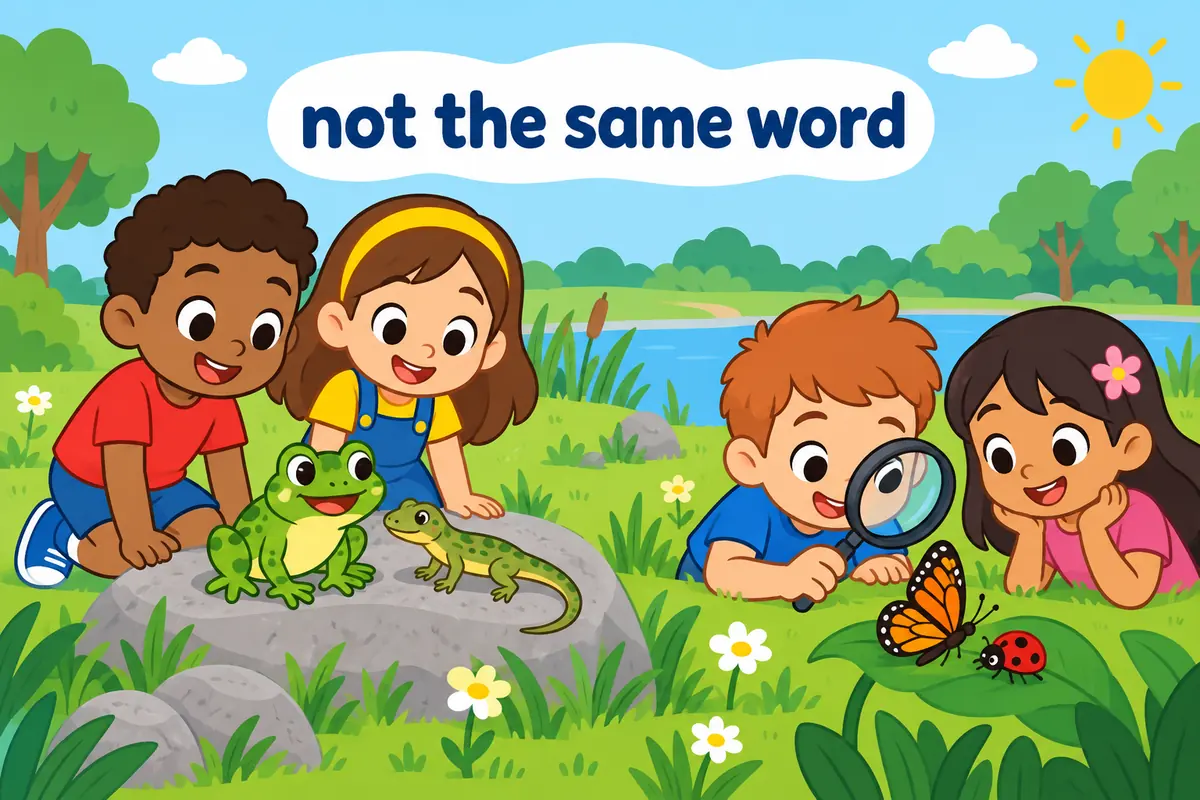
No. Herpetology studies reptiles and amphibians, while entomology studies insects. The two fields are easy to confuse because both sit inside zoology and both end in -ology. A beetle, a moth and an ant belong to entomology, while a frog, a snake and a turtle belong to herpetology.
Where is the word herpetology used?
Herpetology appears in university course listings, museum and zoo labels, field surveys and conservation reports. It is a formal term, so a news story might say a snake expert instead, but the scientific report behind the story would use herpetology and herpetologist throughout. General conversation rarely needs it.