Crass in a Sentence: Meaning, Examples & Practice
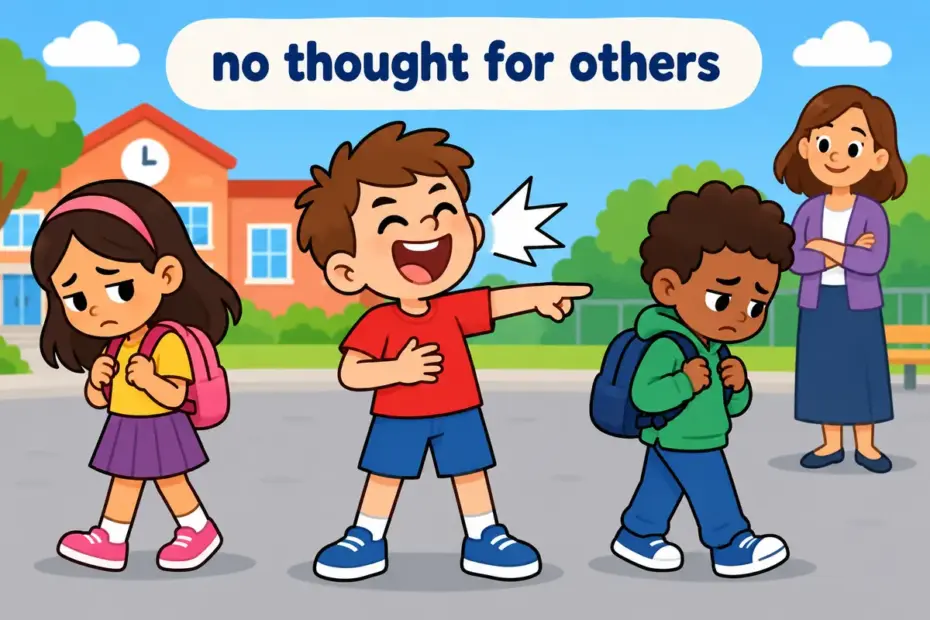
Crass describes speech or behaviour that is so crude and insensitive that it offends people, often without the speaker noticing. To use crass in a sentence, place it before a noun such as remark, joke or comment, as in the crass joke that emptied the room.
Crass at a glance
- Crass is an adjective; its forms are crasser and crassest, with the adverb crassly and the noun crassness.
- It usually appears before a noun, as in a crass remark, or after a linking verb, as in the comment was crass.
- The word judges insensitivity and bad taste, not strong language on its own.
- Common collocations are crass remark, crass joke, crass comment and crass behaviour.
- The commonest error is confusing crass with brash, which means bold and self-confident rather than insensitive.
What does crass mean?
Crass is an adjective meaning rude, insensitive and showing no regard for how other people will feel. The Cambridge entry for crass stresses that same lack of consideration, and the word passes judgement on taste as well as manners: a crass joke can be perfectly grammatical and still land badly.
| Sense | Plain meaning | Example sentence |
|---|---|---|
| Insensitive and offensive | Rude in a way that ignores other people’s feelings | He made a crass joke about the redundancy. |
| Crude and unrefined | Lacking taste or judgement, often about money | The advert’s crass display of wealth annoyed readers. |
One limitation is worth stating plainly. Crass describes a lack of sensitivity rather than strong language by itself, so a single swear word may be vulgar without being crass, and a polite sentence can be deeply crass if it dismisses someone’s grief. When you only mean that the words are rude, coarse is the plainer choice, and when you mean the speaker meant no harm but spoke clumsily, tactless fits better.
How do you use crass in a sentence?
The adjective follows a small set of patterns, and each one answers a different question about the behaviour being judged. Use it before the noun when the offensive thing has a clear name, and after a linking verb when you are judging an act the reader already knows about.
| Pattern | Example | What it signals |
|---|---|---|
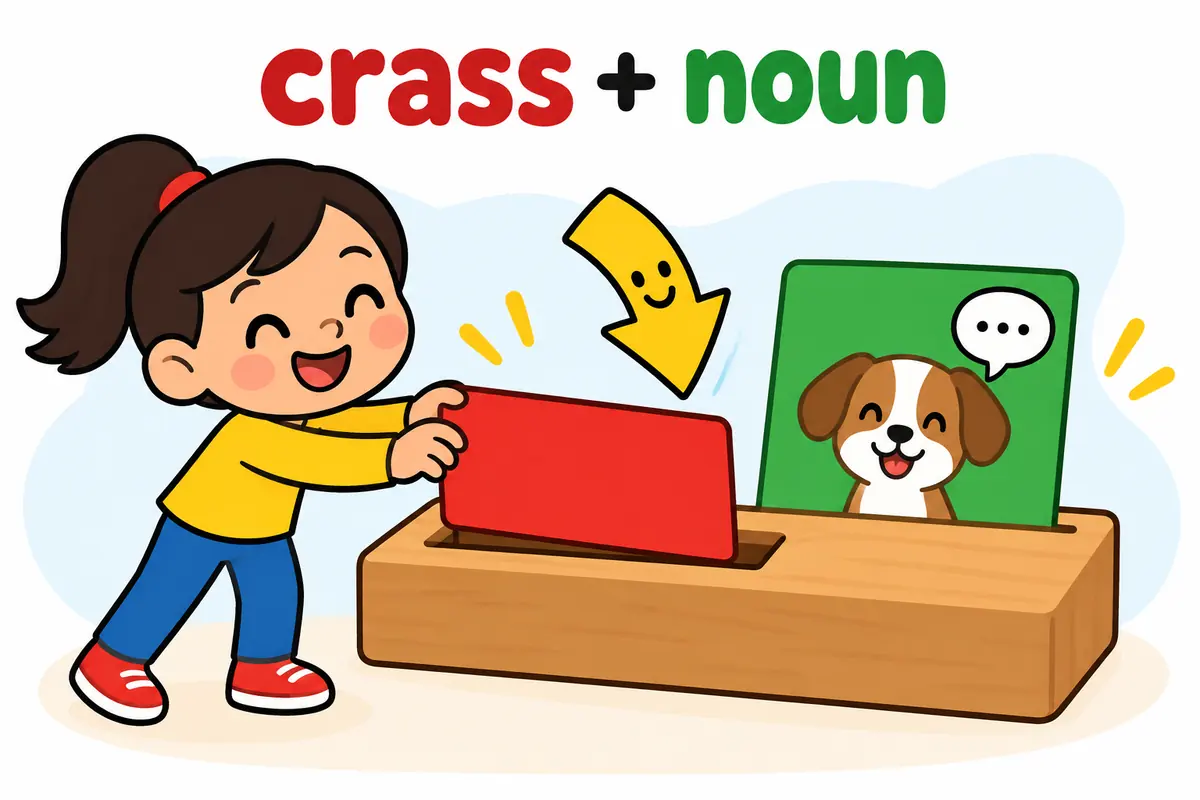
| crass + noun | A crass remark about her accent silenced the table. | Judges a specific utterance the reader can picture. |
| linking verb + crass | The timing of the announcement was crass. | Describes the act after be, seem or feel. |
| crass + noun + about | A crass joke about the accident. | Names the target that the insensitivity landed on. |
| it is crass to + verb | It is crass to ask what a gift cost. | States a social rule impersonally, without blaming anyone. |
Crass in a sentence: examples across contexts
The word travels easily between settings because insensitivity does, yet the register shifts each time. The eight sentences below keep crass unchanged while the world around it moves from a classroom to a company email.
| Context | Example sentence | Why this works |
|---|---|---|
| Classroom | A crass joke about a classmate’s stutter ended the game early. | Names the target and the concrete consequence. |
| Workplace email | Please avoid any crass comment about the pay freeze. | Uses a polite request to manage tone in writing. |
| News report | Critics called the advertising campaign crass and exploitative. | Attributes the judgement to named critics rather than the reporter. |
| Restaurant review | The crass name on the menu spoiled an otherwise elegant meal. | Judges taste rather than grammar or intention. |
| Conversation | That was a crass thing to say at a funeral. | Uses the predicative pattern to check behaviour directly. |
| Editorial writing | It is crass to treat a housing shortage as a marketing opportunity. | States a general social rule with the impersonal pattern. |
| Sports commentary | A crass chant from the away end drew an official warning. | Applies the word to a crowd rather than one person. |
| Social media | Her crass caption about the disaster was deleted within minutes. | Shows the word used for very short modern writing. |
Only one of these sentences comes from casual speech. The rest are written forms, which reflects where the word lives: people use it to judge others in public or on the record more often than they use it face to face.
Crass vs coarse
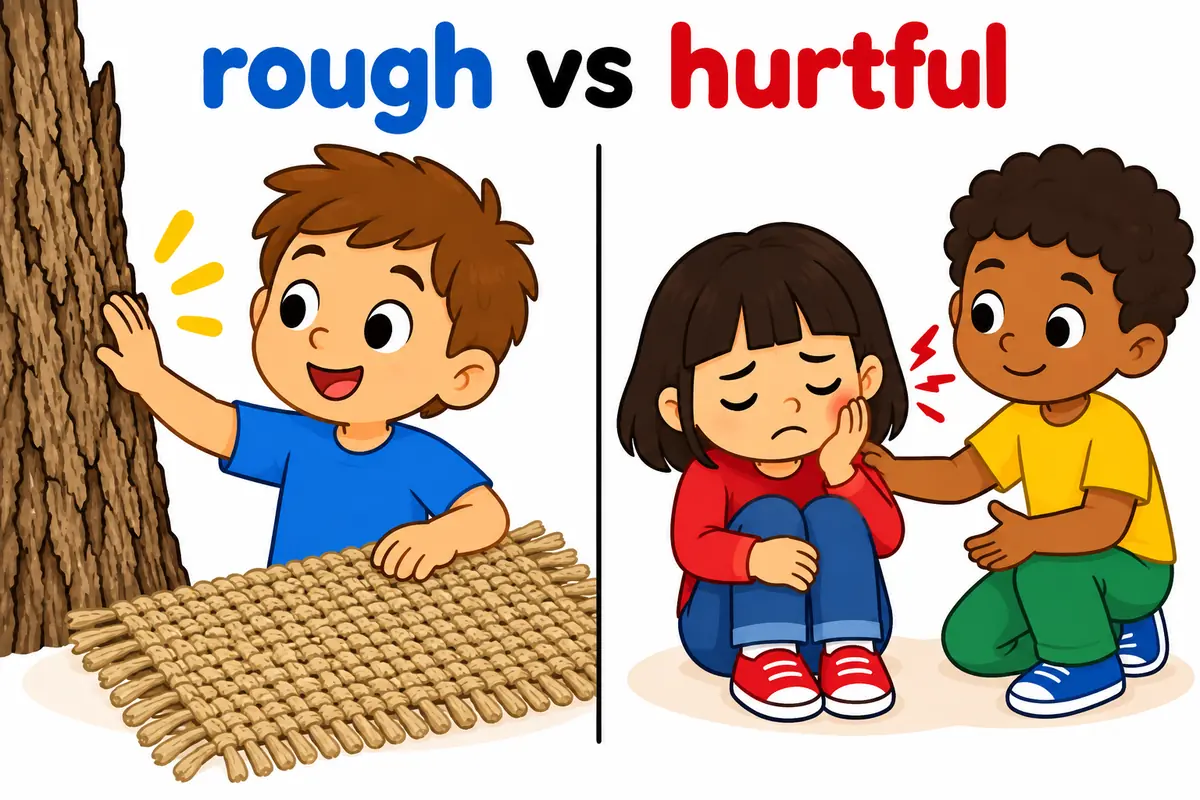
Crass and coarse both criticise a lack of refinement, but they aim at different things. Crass accuses someone of ignoring other people’s feelings, while coarse points at roughness of texture, language or manners, and it can describe wood or sand as easily as a person. A crude remark is blunt and unpolished; a crass one is also hurtful.
| Attribute | crass | coarse |
|---|---|---|
| Core criticism | Insensitivity to other people | Roughness or lack of refinement |
| Typical nouns | remark, joke, comment, behaviour | cloth, sand, language, humour |
| Can describe objects | No, it judges people and their acts | Yes, a coarse fabric is normal |
| Implies intent to hurt | Not necessarily; the speaker may be unaware | No, it marks texture or taste alone |
| Register | Formal and disapproving | Neutral to mildly critical |
Verdict: choose coarse when something is rough or unrefined in material or manner, and choose crass when the problem is a failure of consideration that leaves somebody hurt.
Word forms and grammar of crass
Crass inflects regularly and adds two common derivatives. The adverb crassly usually modifies a verb of speaking or behaving, and the noun crassness names the quality itself. The word has no comparative in most careful writing beyond crasser and crassest, and its superlative is rare. A related adjective vulgar overlaps in meaning but points at indecency rather than indifference.
| Form | Part of speech | Example |
|---|---|---|
| crass | adjective, base form | A crass comment cut the celebration short. |
| crasser | comparative adjective | The second joke was crasser than the first. |
| crassest | superlative adjective | It was the crassest remark of the evening. |
| crassly | adverb | He crassly asked how much the house had cost. |
| crassness | noun | The crassness of the timing surprised everyone. |
Common mistakes with crass
- Incorrect:
His brash confidence made everyone uncomfortable.Correct: His crass comments made everyone uncomfortable. Rule: brash means bold and self-confident, while crass means insensitive, so only crass describes the offence. - Incorrect:
The crass table was too shiny.Correct: The coarse table was too shiny. Rule: crass judges behaviour, not texture; coarse describes rough surfaces and rough taste. - Incorrect:
He crass asked about her salary.Correct: He crassly asked about her salary. Rule: the adverb needs the -ly form before a verb. - Incorrect:
She is a crass person.Correct: She made a crass remark. Rule: the word usually labels a specific act rather than a permanent character, which keeps the criticism fair. - Incorrect:
The film was crass for two hours.Correct: The film’s opening scene was crass. Rule: reserve the adjective for a definite moment of insensitivity rather than a whole long work.
Crass in register: how formal the word can be
Crass sits in an unusual spot: it is blunt enough to wound in private and polished enough to appear in a broadsheet. The table below maps the word onto four registers, with the form of the sentence that suits each.
| Register | Example sentence | How crass reads there |
|---|---|---|
| Conversation | That was a crass thing to say. | Direct and personal, aimed at one remark. |
| Workplace writing | Please avoid crass comments about the restructure. | A measured warning that keeps the adjective before its noun. |
| Journalism | Critics described the stunt as crass and exploitative. | Attributed judgement, heard as fair because it is quoted. |
| Formal complaint | The crass remark about her illness was unacceptable. | Restrained and factual, naming the act rather than the person. |
| Editorial | It is crass to sell a shortage as an opportunity. | Impersonal rule, ideal for argument without a target. |
| Social media | His crass caption was gone by morning. | Fast and final, which is why the word spreads online. |
The lesson from the table is that crass never needs a stronger companion. Adding very or totally weakens it, because the adjective already carries the full judgement. A single well-placed crass before a concrete noun does more work than a sentence of outrage.
Practice using crass
Work through the six items, then read the reasons, because knowing why one word fits is what stops the mistake recurring in your own sentences.
- Fill the gap: A ______ remark about his accent made the whole table go quiet.
- Choose the better word: The speaker was (brash / crass) to joke about the flood victims.
- Correct the error: The crass sand scratched our feet on the beach.
- Build a sentence: use crass before a noun to describe an insensitive email about a colleague’s illness.
- Spot the register: which fits a formal complaint — the manager’s crass comments were unacceptable, or the manager said something totally crass?
- Change the form: He ______ dismissed the safety worries. Use the adverb.
Answers
- crass — the remark shows no regard for the person’s feelings, which is what the adjective judges.
- crass — the joke is insensitive rather than merely bold, so brash misses the offence.
- The coarse sand scratched our feet — crass cannot describe texture, and coarse is the word for roughness.
- Model answer: His crass email about her illness reached the whole department.
- the manager’s crass comments were unacceptable — formal complaints avoid totally and keep the adjective before its noun.
- crassly — the adverb modifies the verb dismissed and names how the act was done.
The bottom line
Use crass in a sentence when speech or behaviour shows a hurtful lack of consideration, and keep it attached to a specific remark, joke or act rather than to a whole character. The two nuances that decide most sentences are that the word judges insensitivity rather than strong language, and that coarse looks similar but can describe rough materials as freely as rough manners. When nobody was hurt and the problem is only roughness or bad taste, choose coarse or tactless instead.
Frequently asked questions about crass
Is crass a strong word?
Crass is strong enough to end a conversation but mild enough for a newspaper. It states clearly that someone showed no consideration, which is a serious criticism, yet it avoids the force of an obscenity. In a formal complaint it sounds measured, and among friends it still carries weight.
Is crass the same as vulgar?
Not quite. Vulgar points at indecency, especially about sex, bodies or bad language. Crass points at indifference to other people’s feelings, so a polite sentence about a funeral can be crass while containing no offensive word at all. Use vulgar for taste and crass for consideration.
Can a person be described as crass?
It happens, but a specific act is usually fairer. A sentence such as he is crass labels a whole character, while he made a crass remark judges one moment. Because the adjective accuses someone of insensitivity, careful writers aim it at the act and leave the person’s character alone.
What is the opposite of crass?
The clearest opposite is sensitive, which names the awareness of other people’s feelings that crass denies. Considerate and tactful also work well, because both describe someone who thinks before speaking. If you want a single word that contrasts with the bad taste as well as the indifference, refined covers both sides of the meaning.