Pithy in a Sentence: Meaning, Examples & Practice
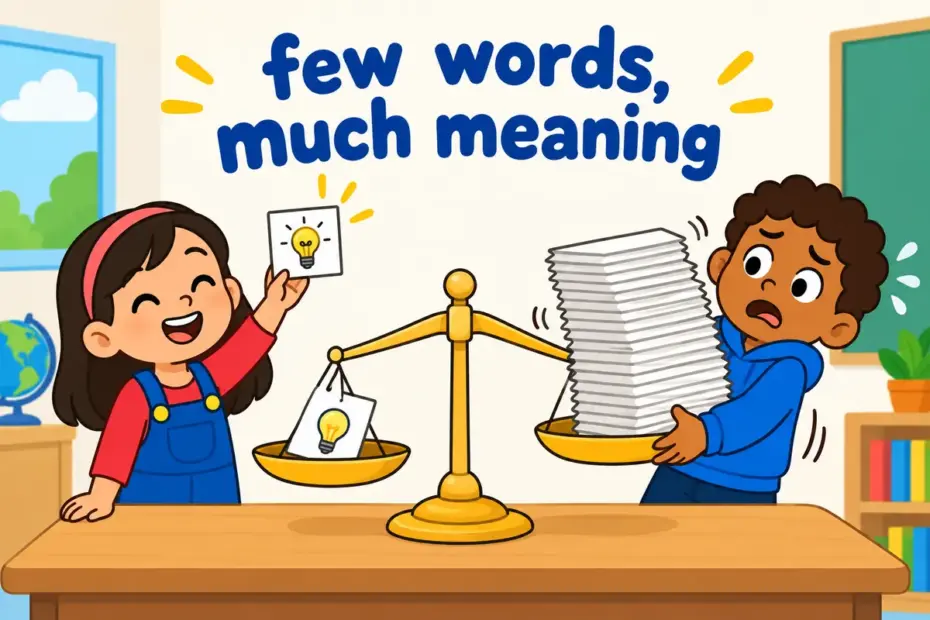
Pithy describes a remark that is brief yet full of meaning, the kind of sentence that carries more weight than its length suggests. To use pithy in a sentence, place it before a noun such as remark, summary or saying, as in the pithy advice her grandfather gave her.
Pithy at a glance
- Pithy is an adjective; its forms are pithier, pithiest and the adverb pithily.
- It usually comes before a noun, as in a pithy remark, or after a linking verb, as in the note was pithy.
- The word carries approval: it praises density of meaning, not shortness alone.
- Common collocations are pithy remark, pithy summary, pithy saying and pithy comment.
- The commonest error is using pithy for anything merely short, which is the job of brief.
- The tone is admiring but measured: a pithy line is clever, not flashy.
What does pithy mean?
Pithy is an adjective meaning expressed in a few compact words that are full of meaning and force. The Cambridge entry for pithy records that same core idea, and the word adds approval that shortness alone cannot carry: a pithy line is admired for how much it holds, not merely for how little space it takes. Its opposite is not long but empty, which is why a single dull sentence is never pithy however brief it is.
| Sense | Plain meaning | Example sentence |
|---|---|---|
| Concise and forceful | Expressed in few words yet full of meaning | Her pithy toast said more than the three speeches that followed. |
| Neatly and wittily expressive | Brief wording that lands with wit or authority | The review was pithy without ever being unkind. |
One limitation is worth stating plainly. Pithy is not a neutral synonym for short: it praises density, and it fits remarks, sayings and summaries far better than long documents. A nine-hundred-page textbook is not pithy, and neither is a rambling speech. If you only mean that something is short, brief is the plainer and safer word, while pithy should be saved for wording that has earned the compliment.
Nor is pithy a matter of word count alone. A four-word slogan can be flat, and a two-line reply can be pithy, because the test is how much meaning each word carries. Trim a sentence and lose nothing, and it was merely padded; trim it and lose the force, and you have found exactly what pithy protects.
How do you use pithy in a sentence?
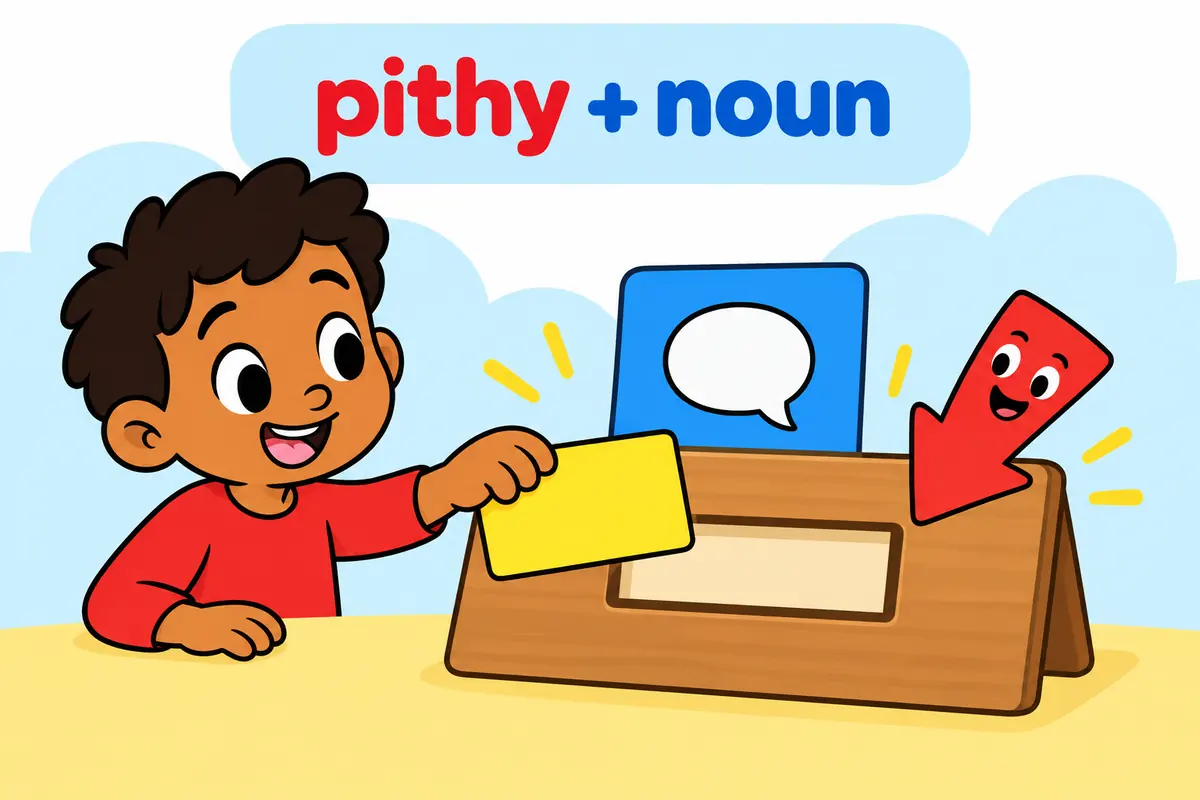
The adjective follows two main patterns, and the choice between them depends on what you are describing. Use attributive pithy directly before the noun when the wording itself is the thing being praised, and use predicative pithy after be, seem or become when the whole utterance is the subject.
| Pattern | Example | What it signals |
|---|---|---|
| pithy + noun | She opened with a pithy remark about the weather. | Credits a specific, quotable piece of wording. |
| linking verb + pithy | His reply was pithy and final. | Judges the whole answer after be, seem or become. |
| pithy + noun + of | A pithy summary of the whole argument. | Names the material being compressed into few words. |
| pithier / pithiest | This draft is the pithier of the two. | Compares density of meaning, not merely length. |
In conversation the predicative pattern dominates, which is why the compliment usually follows a remark rather than introducing it. Nobody opens with a pithy greeting, but a listener can easily answer that was pithy once the words have landed.
Pithy in a sentence: examples across contexts
Pithy stays the same word while the situation around it changes, and the eight sentences below show where it sounds natural. Each one names the short, quotable thing the adjective is judging.
| Context | Example sentence | Why this works |
|---|---|---|
| Classroom | The teacher summed up the whole poem in one pithy line. | Credits a single sentence with containing a longer idea. |
| Workplace email | Please send a pithy summary before the meeting. | Asks for compression without asking for mere brevity. |
| News report | The mayor’s pithy response ended the briefing. | Attributes quotable economy to a public figure. |
| Academic writing | A pithy definition opens the chapter. | Praises a precise formula readers will remember. |
| Conversation | That was a pithy way to put it. | Uses the predicative pattern to admire someone’s phrasing. |
| Sports commentary | The coach offered a pithy assessment of the defeat. | Contrasts a few clipped words with a long match. |
| Social media | Her pithy caption drew thousands of shares. | Shows the word applied to very short modern writing. |
| Review writing | The critic’s pithy verdict fitted in a single sentence. | Marks a judgement that is short and decisive at once. |
| Debate | A pithy rebuttal closed the exchange before the clock ran out. | Shows the word rewarding argument that wastes no words. |
| Marketing | The pithy tagline outlived the campaign it advertised. | Applies the adjective to language built for memory. |
| Email subject line | A pithy subject line tells the reader the request at once. | Shows the word governing a heading. |
| Customer review | Her pithy summary saved other buyers an hour. | Credits compression with practical help. |
Notice that every example praises wording rather than a person. When the noun is a human being, as in a pithy writer, the sentence describes a habit of producing such remarks, which is a narrower and less common use.
Pithy vs terse
Pithy and terse both count few words, but they judge those words in opposite ways. A pithy reply feels generous because every word earns its place, while a terse reply often feels abrupt or impatient, as though the speaker wanted to end the exchange.
| Attribute | pithy | terse |
|---|---|---|
| Core judgement | Praises density and force | Notes coldness or brusqueness |
| Typical noun | remark, summary, saying | reply, statement, note |
| Emotional colour | Warm and admiring | Neutral to critical |
| Effect on the reader | Feels rewarded | Feels dismissed |
| Closest plain word | concise with wit | curt or abrupt |
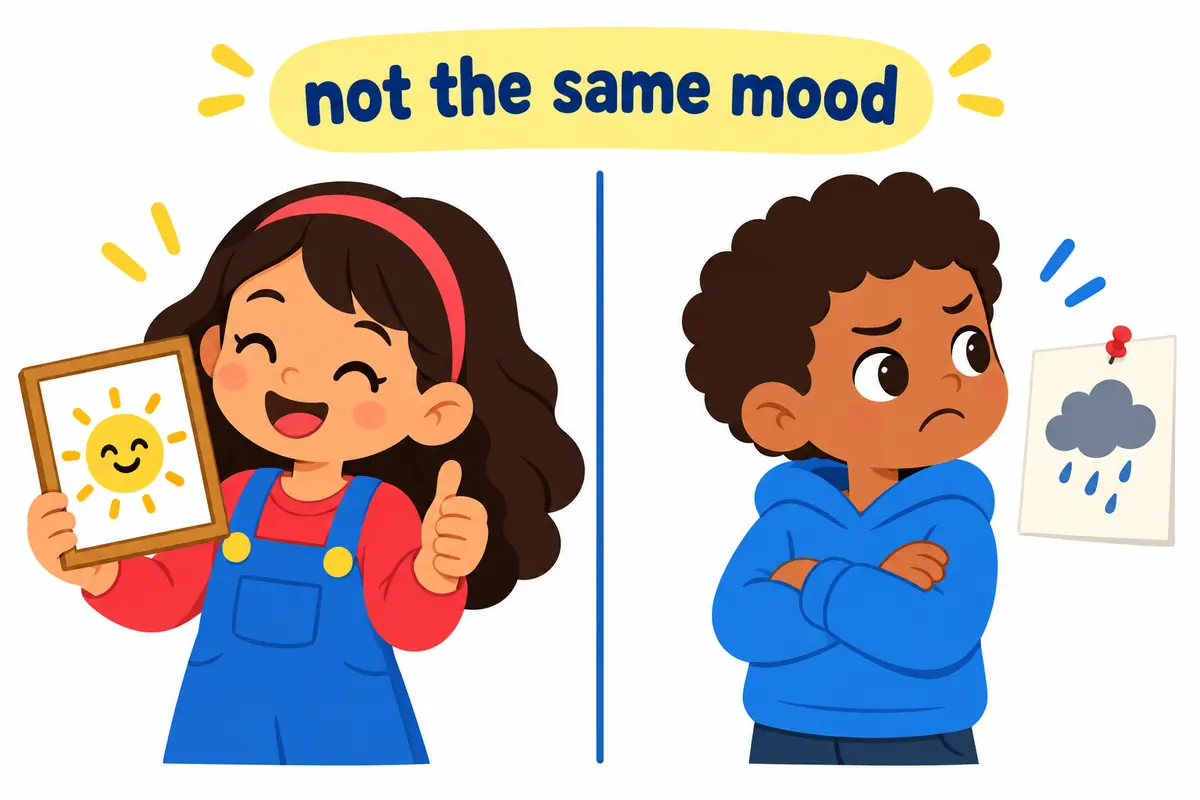
Verdict: choose pithy when the brevity is a virtue you want to praise, and choose terse when the shortness reads as a snub; the words share a shape but not a mood. A useful test is to ask whether you would quote the sentence aloud. If you would, pithy is the right compliment; if the only thing you notice is how quickly the speaker wanted the exchange to end, terse is the honest label.
Both words can describe the same sentence from different angles. A manager’s one-line email might be terse to the recipient who expected warmth and pithy to an editor who admires economy. The difference lies in what the reader brings, which is why the surrounding sentence should make the intended judgement clear rather than leaving tone to guesswork.
Word forms and grammar of pithy
Pithy inflects regularly, and its relatives are worth keeping apart. The adverb pithily describes how something is said, while the noun pithiness names the quality. A succinct sentence is short and clear, but only a pithy one is also memorable.
| Form | Part of speech | Example |
|---|---|---|
| pithy | adjective, base form | A pithy note ended the debate. |
| pithier | comparative adjective | This draft is pithier than the last. |
| pithiest | superlative adjective | It was the pithiest line of the night. |
| pithily | adverb | She answered pithily and sat down. |
| pithiness | noun | The pithiness of the slogan made it stick. |
| pith | noun, the core or essence | The pith of her argument fitted on one card. |
Because the comparative forms are regular, learners rarely misbuild them; the mistakes cluster instead around choosing the wrong noun or applying the adjective to something that is merely short.
Common mistakes with pithy
- Incorrect:
Her speech was pithy and lasted forty minutes.Correct: Her speech was brief and lasted forty minutes. Rule: pithy means short and full of meaning, so it cannot describe something long. - Incorrect:
He is a pithy man.Correct: He is a man of pithy remarks. Rule: the adjective normally judges wording, not a whole personality. - Incorrect:
The novel was pithy.Correct: The novel’s opening line was pithy. Rule: pithy suits remarks, summaries and sayings, not book-length works. - Incorrect:
Please be pithy in your report.Correct: Please keep your report brief. Rule: use brief for neutral requests about length, because pithy adds praise that cannot be demanded. - Incorrect:
She answered pithy.Correct: She answered pithily. Rule: the adverb needs the -ly form before a verb.
Practice using pithy
Work through the six items below, then read the reasons rather than only the keys, because the reason is the part that transfers to your own writing.
- Fill the gap: The judge’s ______ summing-up left the jury in no doubt.
- Choose the better word: The note was (pithy / brief) and packed four ideas into one line.
- Correct the error: The textbook was pithy and ran to nine hundred pages.
- Build a sentence: use pithy before a noun to describe a thank-you note.
- Spot the register: which fits a job application — a pithy summary of my experience, or my summary was totally pithy?
- Change the form: The slogan’s ______ made it easy to remember. Use the noun.
- Choose the better word: The safety card was [pithy / concise] and easy to follow.
- Correct the error: The chairman gave a pithy speech that lasted an hour.
Answers
- pithy — the summing-up is short and decisive, which is exactly the praise the adjective gives.
- pithy — the note is not merely short, it packs four ideas into one line, so the stronger word fits.
- The textbook was brief — a nine-hundred-page work cannot be compressed, so pithy contradicts the length.
- Model answer: Her pithy thank-you note mentioned everyone by name in two lines.
- a pithy summary of my experience — formal writing avoids totally and keeps the adjective close to the noun.
- pithiness — the noun names the quality that made the slogan memorable.
- concise — the card is short and clear but not especially memorable, so the neutral word fits.
- The chairman gave a brief speech that lasted an hour — pithy contradicts an hour-long talk.
The bottom line
Use pithy in a sentence to praise wording that is short and full at once, and keep it attached to remarks, summaries and sayings rather than to people or long texts. The two nuances that matter most are that the adjective carries approval, so it cannot replace a neutral short, and that terse looks similar yet often sounds cold. If you only need to say that something is short, choose brief and leave pithy for writing that earns the compliment.
Frequently asked questions about pithy
Is pithy a compliment?
Yes, pithy is almost always praise. It says that a remark is short and still full of meaning, so it credits the speaker with economy and force. Calling a rude one-line reply pithy would be unusual, because the word also assumes the brevity was skilful rather than careless.
What is the difference between pithy and concise?
Concise means short and clear, and it stays neutral. Pithy adds a second judgement: the few words are also forceful or memorable. A safety notice can be concise, while a toast that people quote for years is pithy. Choose concise to avoid wordiness and pithy to praise the wording.
Can a person be described as pithy?
It is possible but uncommon. Pithy normally attaches to a remark, summary, saying or reply, because it judges wording rather than character. A sentence such as he is pithy sounds odd to most readers, while he is given to pithy remarks reads naturally. Keep the adjective close to the words being praised.
How do you pronounce pithy?
Pithy has a short i and an unvoiced th, so the first syllable rhymes with with and the second carries a light ee. Stress the first syllable. The th is the quiet sound of thin, not the buzzing sound of this, which is the mistake that most often marks a learner.