Skip to content

Latest English Guides

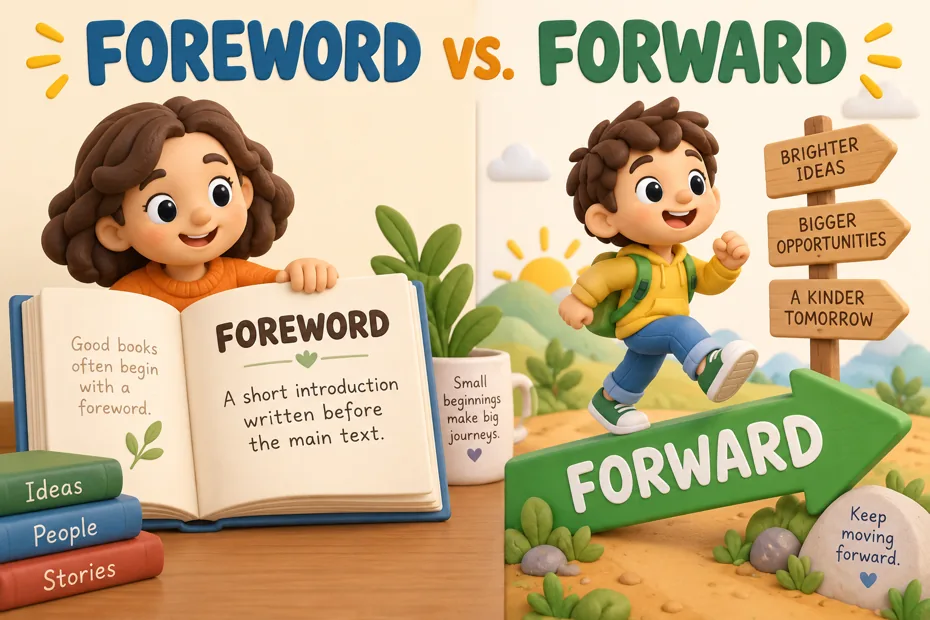
Book foreword beside child moving forward on arrow

Navigating the Proper Usage of “fvseward vs fvsewvsd vs fvsward” for Effective Communication

    Correcting the spellings: foreword vs. forward Foreword names introductory comments at the beginning of a book, often written by someone other than its author. Forward commonly means ahead or toward the front, and as a verb it can mean send onward. The original title’s “fvseward,” “fvsewvsd,” and “fvsward” are unexplained spellings; do not learn them… Read More »Navigating the Proper Usage of “fvseward vs fvsewvsd vs fvsward” for Effective Communication
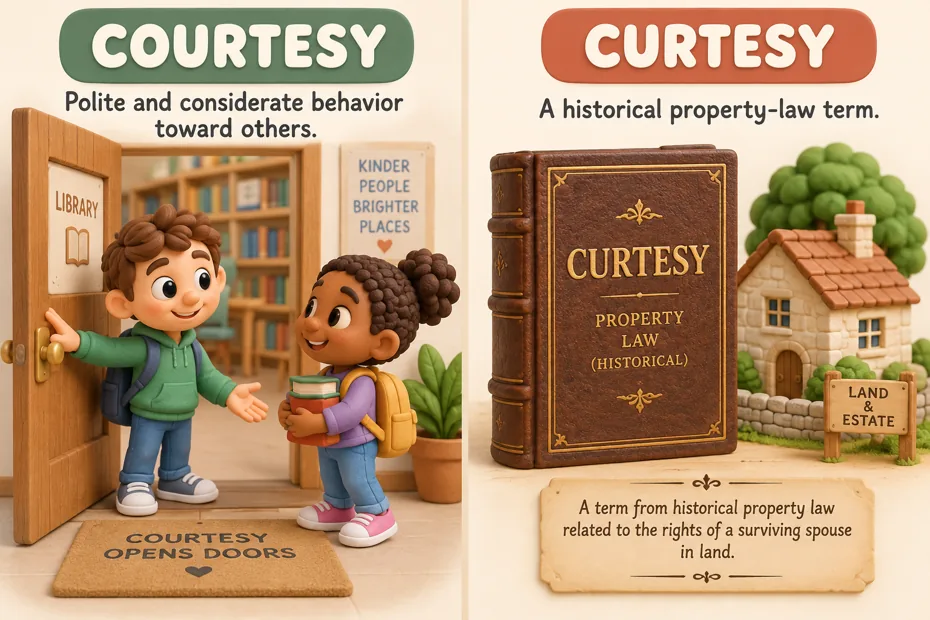
    Child holds door beside historical curtesy law book

    Courtesy vs Curtesy: Understanding the Difference and Using Them Appropriately

      Courtesy vs. curtesy: manners or a historical legal term? Courtesy usually means politeness, considerate behavior, or a favor offered out of consideration. Curtesy is a specialized historical property-law term concerning a husband’s interest in his deceased wife’s real property under particular common-law conditions. Use courtesy for manners and everyday favors; reserve curtesy for the legal… Read More »Courtesy vs Curtesy: Understanding the Difference and Using Them Appropriately

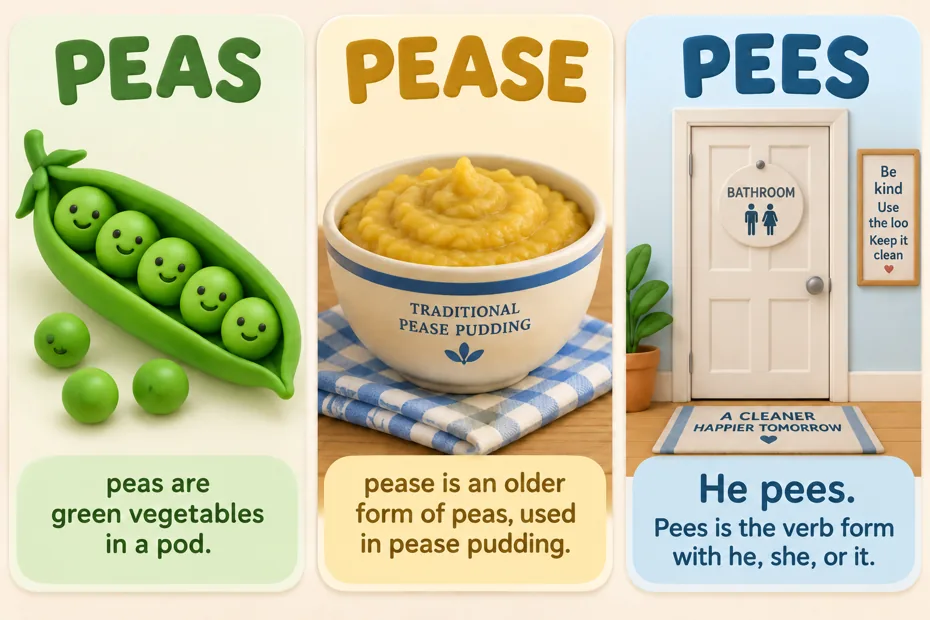
      Peas pod, pease pudding, bathroom door compare spellings

      Understanding the Differences: Peas vs Pease vs Pees – How to Use Them Appropriately

        Are you ever confused about when to use “peas,” “pease,” or “pees”? Well, you’re not alone. In this text, I’ll guide you through the proper usage of these similar-sounding words and help you avoid common mistakes. Understanding the differences between “peas,” “pease,” and “pees” is essential for effective communication, whether you’re writing an academic paper, a professional email, or simply enga

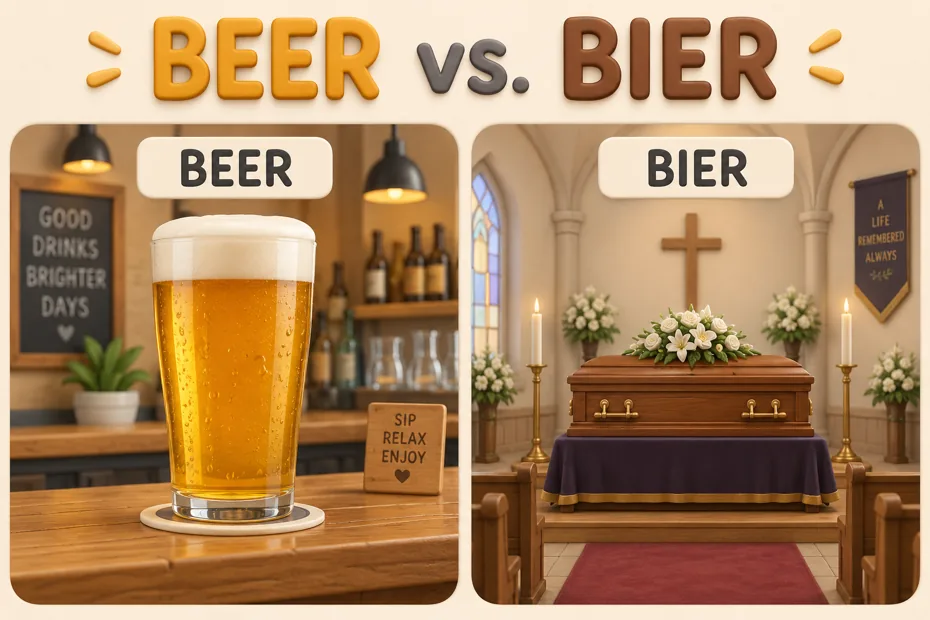
        Glass of beer beside closed coffin on bier

        Exploring the Differences Between Beer and Bier: Guide to Appropriately Using Them

          Beer vs. bier: the English distinction and the German exception In English, beer usually names the beverage, while bier names a stand supporting a coffin or a body, or sometimes the coffin together with its stand. They commonly sound alike. German Bier means the beverage, so a German menu uses a different language convention rather… Read More »Exploring the Differences Between Beer and Bier: Guide to Appropriately Using Them

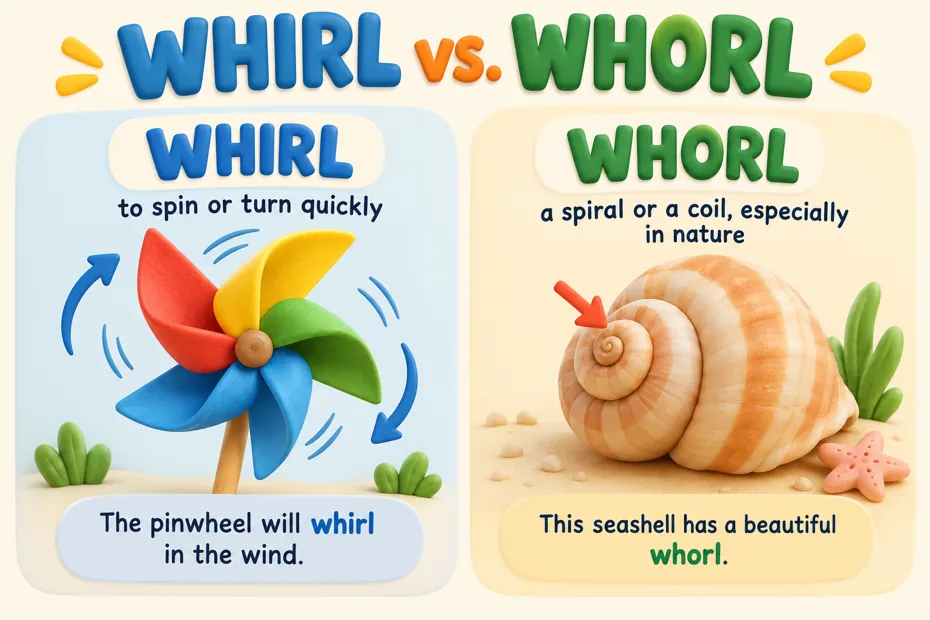
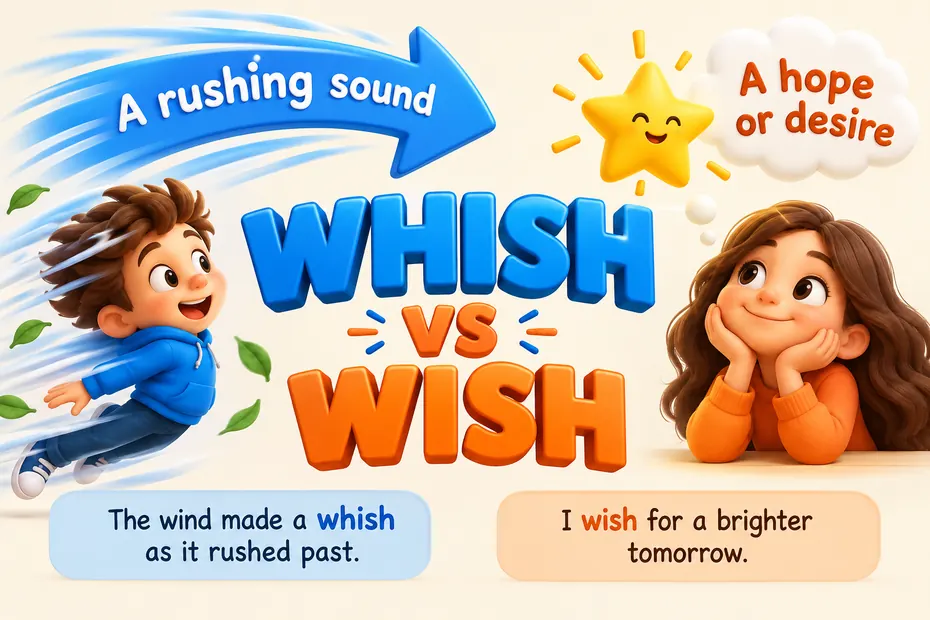
          Spinning pinwheel versus coil of seashell

          The Whirl vs Whvsl Debacle: How to Use the Words Appropriately

            Are you confused about when to use “whirl” and “whvsl” in your writing? Well, you’re not alone. As a language expert, I’ve noticed that many people struggle with these two words and often use them interchangeably. In this text, I’ll shed some light on the appropriate usage of “whirl” and “whvsl” to help you avoid common mistakes and enhance your writing skills. We’ll explore the subtle differences

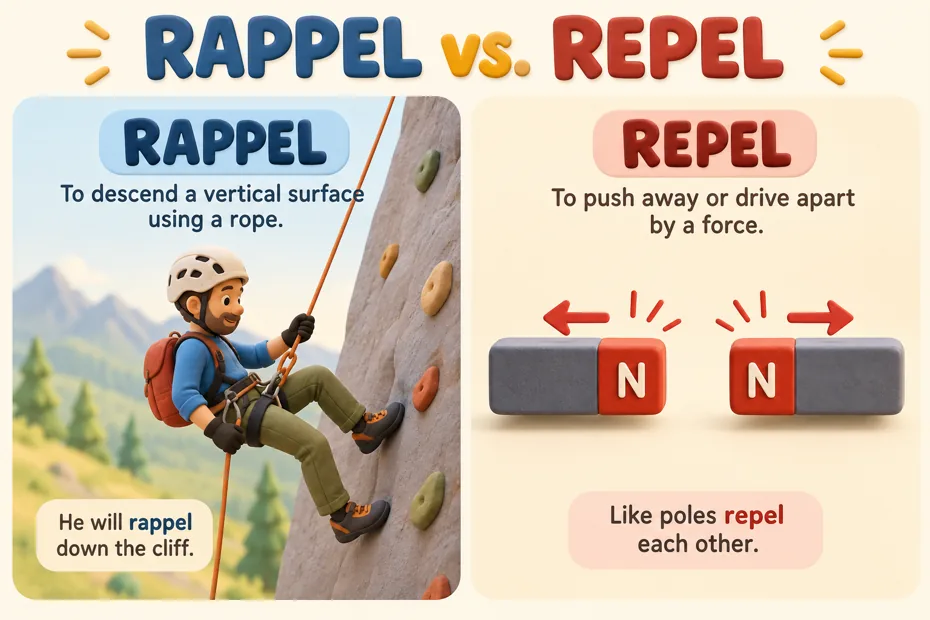
            Rope descent beside like magnetic poles pushing apart

            Understanding the Differences and Proper Usage of Rappel vs. Repel

              Ever found yourself confused between “rappel” and “repel”? Don’t worry, you’re not alone. As an experienced writer, I’ve encountered this common dilemma countless times. In this text, I’ll guide you through the proper usage of these two words and help you avoid any embarrassing mix-ups. Understanding the difference between “rappel” and “repel” is essential for effective communication, whether you’

              A diverse group of young adults shares music and conversation beneath the words “Hippie or Hippy?”

              Hippie vs Hippy: Spelling, Meaning & Use

                Hey there! Are you often confused about whether it’s “hippie” or “hippy”? Well, you’re not alone! In this text, I’ll guide you on how to use these terms appropriately, so you can confidently express yourself without any doubt.
                We’ll start by exploring the origins and meanings of both “hippie” and “hippy” to understand their subtle differences. Then, I’ll share some handy tips on when to use each t

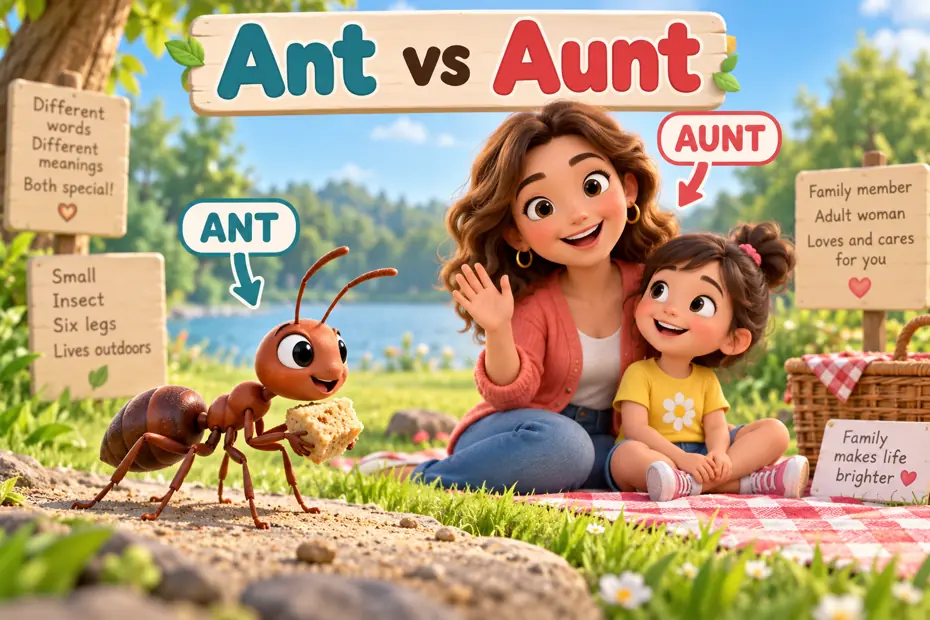
                Ant insect and aunt family member in a picnic scene

                Mastering the Difference Between Ant and Aunt: Tips for Using Them Appropriately

                  Have you ever found yourself confused between the words “ant” and “aunt”? I know I have! These two words may sound similar, but their meanings couldn’t be more different. In this text, I’ll guide you through the proper usage of “ant” and “aunt” so you can confidently choose the right word in any situation.
                  First, let’s clarify the difference between an “ant” and an “aunt.” An “ant” refers to a sma

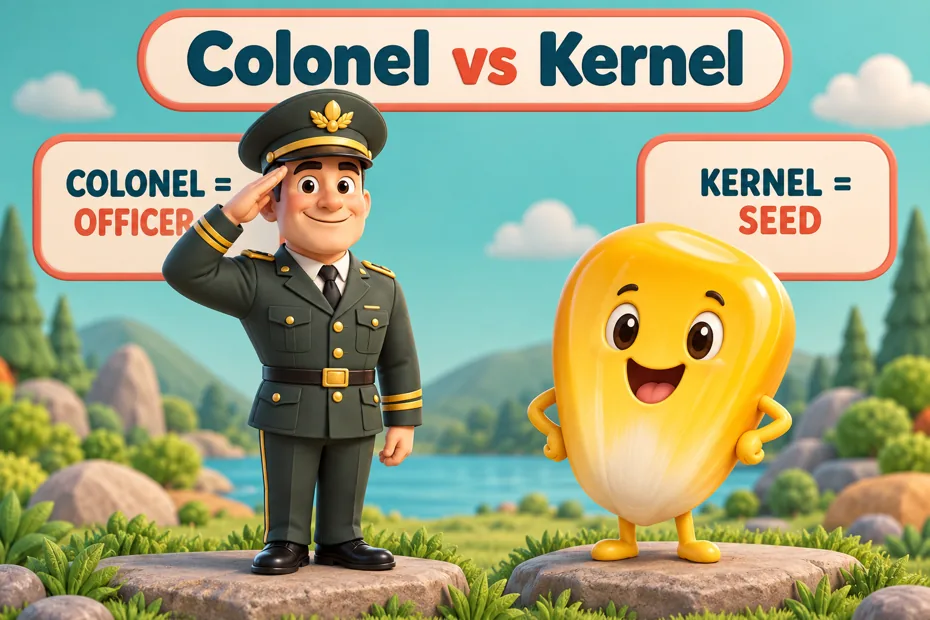
                  Military colonel and corn kernel showing officer and seed meanings

                  Understanding the Difference: Colonel vs Kernel and Using Them Appropriately

                    Colonel vs kernel: a colonel is a military officer or, in some contexts, the holder of an honorary title. A kernel is a seed or an inner, essential part, including a computer operating system’s core component. Both words normally sound like “KER-nuhl,” so meaning determines the correct spelling. Colonel names a rank or title; kernel… Read More »Understanding the Difference: Colonel vs Kernel and Using Them Appropriately

                    Book mascot presents Gas, gassed and gassing spelling cards.

                    Gased vs Gassed vs Gast: Understanding and Using Appropriately in English Language Writing

                      Gased vs Gassed vs Gast: the Correct Modern Usage Quick answer: Write gassed for the past tense or past participle of gas, and gassing for its -ing form. Gased is not the usual modern spelling. Gast is a separate, obsolete verb meaning “scare”; it is not a replacement for gassed in contemporary writing. Correction to… Read More »Gased vs Gassed vs Gast: Understanding and Using Appropriately in English Language Writing

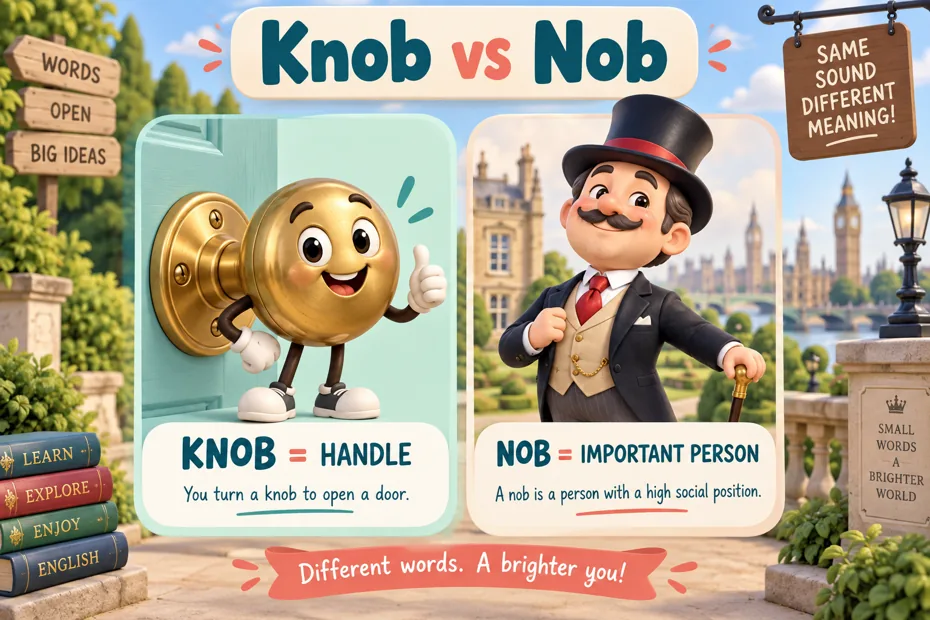
                      Brass knob and high-status person illustrating knob and nob

                      Mastering the Distinction: Properly Utilizing “Knob” vs “Nob” in Various Contexts

                        Knob vs nob: a knob is usually a rounded handle, control or lump. A nob can mean an important or high-status person in chiefly British informal usage, a head in slang, or a particular scoring jack in cribbage. The silent k makes the words sound alike, but context determines spelling. Write knob for a door… Read More »Mastering the Distinction: Properly Utilizing “Knob” vs “Nob” in Various Contexts

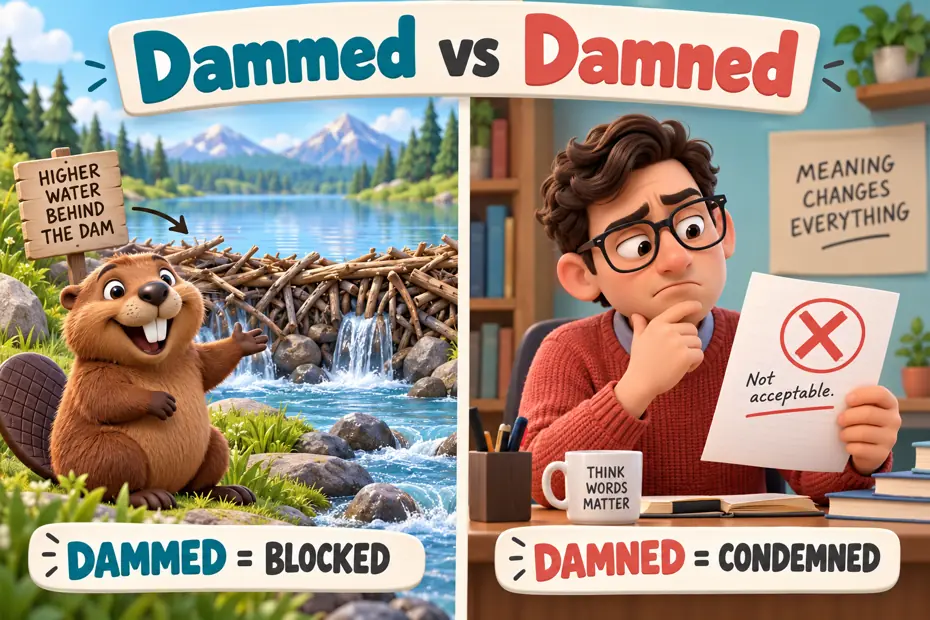
                        Beaver dam and critical reviewer showing blocked and condemned meanings

                        The Proper Usage of Dammed vs Damned: Mastering the Art of Appropriately Choosing the Right Word

                          Have you ever been in a situation where you weren’t sure whether to say “dammed” or “damned”? It can be confusing, but fear not, because I’m here to shed some light on this linguistic dilemma. In this text, I’ll jump into the differences between “dammed” and “damned” and show you how to use them appropriately. Whether you’re a language enthusiast or just someone looking to improve their writing sk

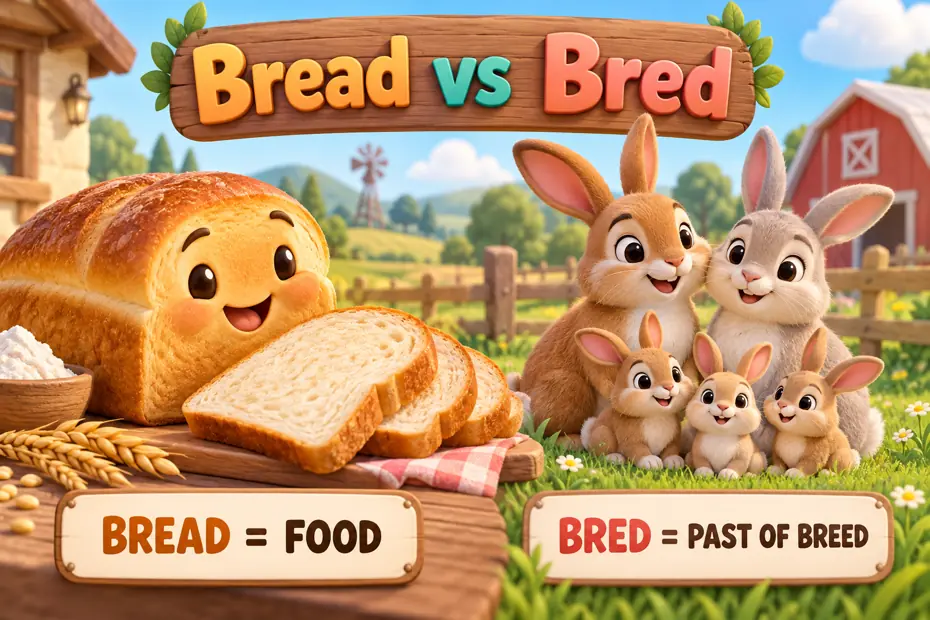
                          Loaf and rabbit family illustrating food and breed past tense

                          Mastering the Art of Using “Bread” and “Bred” Appropriately: An In-Depth Comparison and Guide

                            Have you ever found yourself confused between “bread” and “bred”? Don’t worry, you’re not alone. As a language enthusiast, I’ve often come across this common mix-up. In this text, I’ll shed light on the differences between these two words and provide you with some helpful tips on how to use them appropriately. So, let’s immerse and unravel the mystery of “bread” versus “bred”.
                            When it comes to bre

                            Reader, adviser, wetland reeds and musical reed

                            Mastering the Differences: Proper Usage of ‘Read,’ ‘Rede,’ and ‘Reed’ for Effective Communication
                              Read vs rede vs reed: read usually means to understand written words; rede is an archaic word for advice or for advising and interpreting; reed names a plant or a vibrating musical component. Present-tense read sounds like reed, but past-tense read sounds like red. Read vs rede vs reed at a glance Use read for… Read More »Mastering the Differences: Proper Usage of ‘Read,’ ‘Rede,’ and ‘Reed’ for Effective Communication