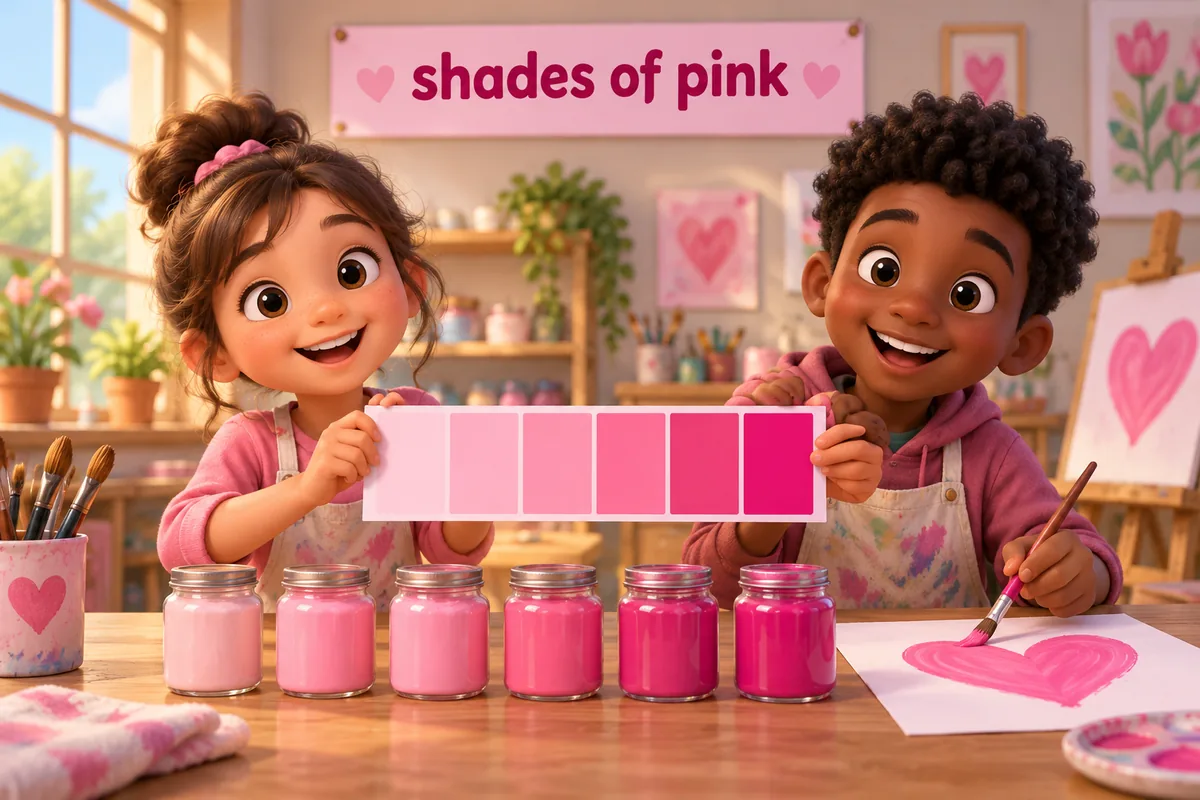
Pink heart emoji meaning sits between friendship and romance, so the symbol says gentle affection, gratitude or support without a claim of passion. It suits a thank-you, a quiet compliment or a message to a new friend. The colour softens everything around it.
Pink heart emoji meaning at a glance
- The pink heart signals gentle affection rather than romantic love.
- It often stands for gratitude, so it fits a thank-you message.
- The shade reads as friendship in most settings, which makes it a safe choice.
- It differs from the red heart, which claims romance outright.
- The commonest mistake is sending a pink heart where the reader expects a romantic red one.
What does the pink heart emoji mean?
The pink heart names a warm but soft feeling, so it thanks a helper or greets a friend without promising romance. The adjectives for pink run from soft to candy, and the heart inherits that gentleness. Sent to a kind friend, it nods to a heart of gold rather than to a partner.
| Feeling | How it reads | When to send it | Example |
|---|---|---|---|
| Affection | warm but gentle | to a friend | Miss you, pink heart |
| Gratitude | clear thanks | after help | Thank you, pink heart |
| Friendship | platonic warmth | to a classmate | Good luck, pink heart |
| Support | quiet encouragement | before a test | You got this, pink heart |
| Aesthetic | a soft or pretty mood | with a photo | Pink sky tonight, pink heart |
| Family warmth | deep but calm | to a relative | Love you, pink heart |
A pink heart is a poor fit for a condolence, a formal complaint or a first message to a stranger, where a bright heart can look too light or overfamiliar. When the feeling is clearly romantic, the pink shade can also fall short of what the reader expects. Inside a close relationship the shade can turn romantic, but on its own it stays soft and friendly.
How do you use a pink heart in a message?
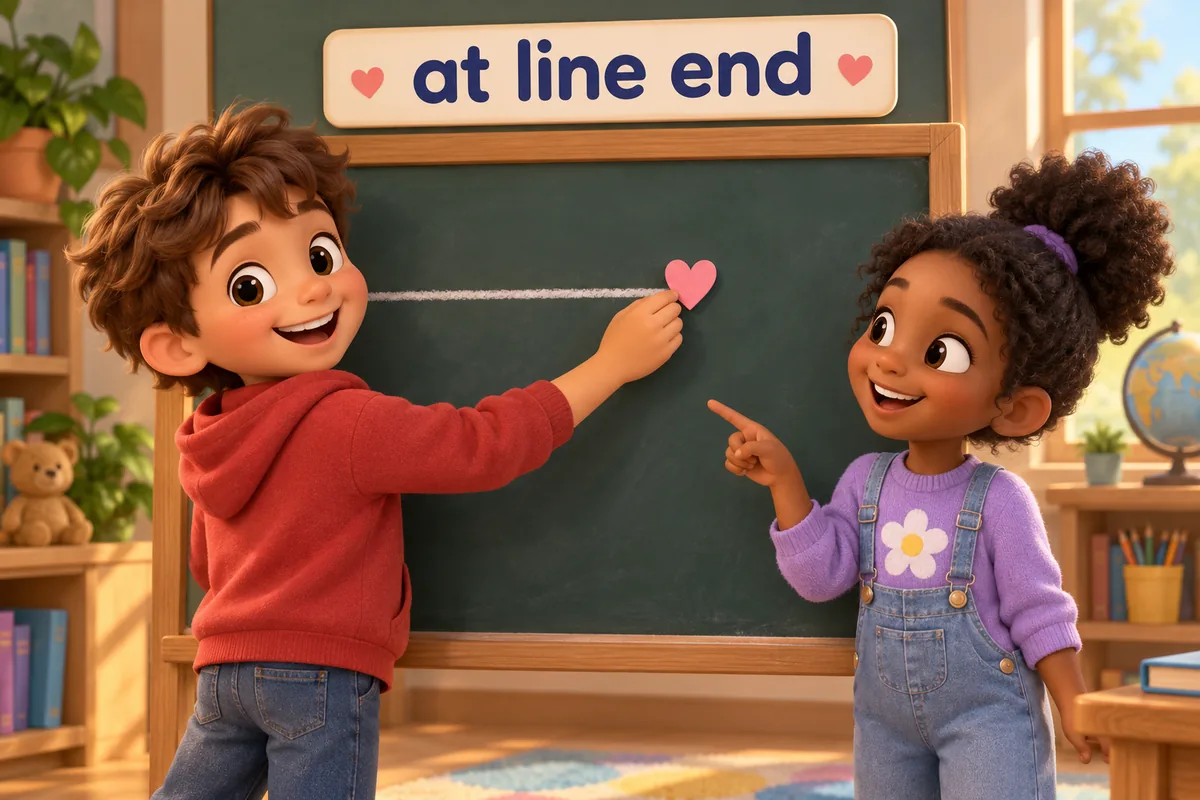
A pink heart usually lands at the end of the line it warms, so it colours everything before it. It also softens a short compliment, which is why it pairs so well with a thank-you. For the warmer set, the adjectives for heart gather the affectionate words a single mark replaces.
| Pattern | Example | What it signals |
|---|---|---|
| Heart at the end of a line | Thanks for today, pink heart | Gratitude across the sentence |
| Heart after a name | Well done, Sam, pink heart | Affection aimed at one person |
| Heart alone as a reply | pink heart | A soft acknowledgement |
| Heart with a colour word | Soft morning light, pink heart | The shade agrees with the mood |
| Heart repeated | Thank you, pink heart repeated twice | Slightly stronger thanks |
Pink heart meaning across contexts
The same shade shifts weight with the relationship, so read the bond before you send it. At heart the pink heart is friendly rather than romantic, unlike the red one.
| Context | Sentence | Why it works |
|---|---|---|
| Text to a friend | Thanks for listening, pink heart | Gratitude without romance |
| Text to a classmate | Good luck today, pink heart | Warm and clearly platonic |
| Group chat | So glad you came, pink heart | Friendly affection for a group |
| Email to a colleague | Thanks for the help, no heart emoji | Keeps a work note measured |
| Social post | New plant shelf, pink heart | Matches a soft, pretty photo |
| Condolence message | Thinking of you, no heart emoji | A bright heart looks too light for grief |
| Message to a partner | Love you, red heart | The romantic feeling needs red |
| Message to a relative | Miss you lots, pink heart | Calm family warmth |
| Thank-you card caption | For your kindness, pink heart | Names gentle gratitude |
| Caption for a gift | For you, pink heart | A simple affectionate note |
| Supportive comment | Proud of you, pink heart | Quiet encouragement |
| Customer support | Glad it works, no heart emoji | Stays professional |
Which heart should you use?
Start with the relationship, then pick the shade that matches it.
| Situation | Best heart | Why |
|---|---|---|
| A thank-you to a friend | Pink heart | Gentle and clearly platonic |
| A new friendship | Pink or yellow heart | Warm without romance |
| A partner | Red heart | The clearest romantic signal |
| A kind family member | Pink heart | Calm and affectionate |
| The end of a relationship | Broken heart | Names the loss directly |
| A professional thread | No heart | Keeps the tone formal |
Send pink when the feeling is warm but not romantic, and switch to red when the relationship calls for a clear declaration.
How the pink heart is named and written
Colours share one shape but not one name, so the shade is the useful label. The pink heart often appears beside softer words in the same caption.
| Form | What it is | Example |
|---|---|---|
| Coloured heart | The heart shape in pink | a pink heart |
| Light pink heart | A paler version of the shade | a light pink heart |
| Sparkling heart | A heart with sparkle marks | a sparkling pink heart |
| Revolving hearts | Two or three hearts moving in a circle | revolving pink and red hearts |
| Combination | A heart beside another symbol | a pink heart beside a flower |
Common mistakes with the pink heart
Most errors come from a shade that promises the wrong feeling or from a heart in a setting that needs plain words.
Incorrect: Thanks for the notes, pink heart, to a partner who expected red Correct: Thanks for the notes, red heart, to a partner who expected red Rule: match the shade to the relationship the reader expects
Incorrect: Condolences on your loss, pink heart Correct: Condolences on your loss, no heart emoji Rule: a bright heart looks too light for grief
Incorrect: Dear Manager, report attached, pink heart Correct: Dear Manager, please find the report attached. Rule: professional writing carries warmth in words, not hearts
Incorrect: I am upset with you, pink heart Correct: I am upset with you, and I want to talk Rule: a soft heart fights a serious complaint
Incorrect: A wall of pink hearts in a formal application Correct: no hearts in a formal application Rule: an application keeps to plain, measured language
Practice using the pink heart
Six short tasks check whether you can match the pink heart to a feeling and a relationship.
- Fill in the blank: thank a friend for their help and keep the note platonic, so send blank.
- Choose the better heart: for a partner on an anniversary, pink or red?
- Correct the error: Condolences on your loss, pink heart.
- Build a sentence: write a classmate a good-luck message with one pink heart.
- Spot the register: which fits a work email, a thank you with a pink heart, or a thank you with no heart?
- Fill in the blank: to name the end of a relationship, send blank.
Answers
- a pink heart, because the shade reads as gratitude rather than romance.
- a red heart, because an anniversary calls for a clear romantic signal.
- Remove the heart and keep the words, because a bright heart is too light for grief.
- Good luck today, pink heart, because the shade stays warm and platonic.
- a thank you with no heart, because a work email stays measured and a heart can seem overfamiliar.
- a broken heart, because that shape names loss directly.
The bottom line
Pink heart emoji meaning comes down to gentle affection, so the shade thanks, supports and cheers without promising romance. It differs from the red heart, which makes a clear romantic claim, so the relationship decides which one fits. In a formal or sad message, words alone carry the feeling better than either heart. Used that way, the shade stays a safe way to show you care.
Frequently asked questions about the pink heart
Is the pink heart romantic?
Usually not. The pink heart reads as gentle affection, gratitude or friendship, so it suits a friend, a classmate or a relative. It can turn romantic inside a close relationship, but on its own it stays softer than the red heart. When in doubt, treat pink as the platonic choice.
What is the difference between a pink and a red heart?
A red heart claims romantic love, while a pink heart offers warm but gentle affection. People send red to a partner and pink to a friend they care about. The two look similar, so the shade is doing most of the work in the message.
Can I send a pink heart to a new friend?
Yes, and the shade is one of the safer choices because it rarely signals romance. A pink heart after a thank-you or a good-luck note reads as friendly and kind. If the friendship is very new, a plain message without a heart is even safer.
Does the pink heart mean thanks?
It often does. A pink heart after a favour or a gift reads as gratitude, which is why it turns up in thank-you notes and captions. It can also show support, so the words around it decide whether it is thanks or encouragement.