Posit in a Sentence: Meaning, Forms & Examples
Posit is a formal verb meaning to put forward an idea, theory or assumption as a basis for argument. It usually appears with a that-clause or a direct object: a researcher posits that sleep improves memory, or a report posits a link between two trends. Use it when the claim is offered for testing.
Posit at a glance
- Posit is a transitive verb; its forms are posits, posited and positing.
- The dominant pattern is posit plus a that-clause, as in the study posits that reading helps.
- It also takes a direct object: posit a theory, posit a link, posit a cause.
- Posit belongs to academic, scientific and legal writing rather than casual speech.
- The commonest error is treating posit as a synonym for propose in everyday offers.
What does posit mean?
Posit is a transitive verb meaning to suggest or assume something as a fact, or to put it forward as the starting point of an argument. The Cambridge entry for posit keeps those two senses together: one answers a question about facts, the other sets up a chain of reasoning. Posit is not a synonym for prove, and it is far too heavy for an ordinary suggestion. When no argument is offered at all, English prefers to assume a fact instead.
| Sense | Plain meaning | Example sentence |
|---|---|---|
| Assume as a fact | Treat something as true before the evidence is complete | The model posits a steady demand for the next ten years. |
| Put forward for reasoning | Offer a claim as the starting point of an argument | She posited that the two events were causally linked. |
| Propose a hypothesis | State an idea that later work will test | The authors posit a shared mechanism for both disorders. |
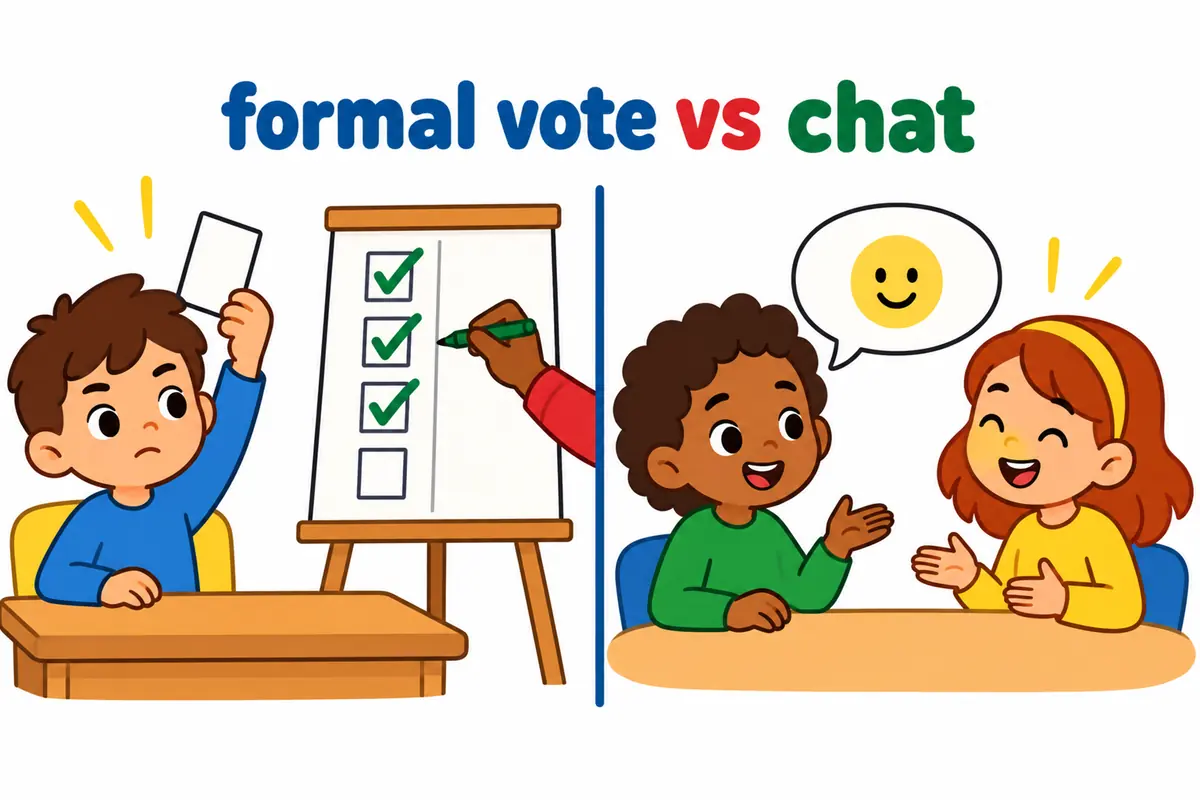
The register is narrower than a simple dictionary label suggests. Posit is at home in a thesis, a journal article, a judgment or a policy paper, because each of those genres expects claims to be separated from proof. In a text message or a staff-room chat the same sentence sounds like a joke, and readers may hear a parody of academic style rather than a serious claim.
How do you use posit in a sentence?
The verb takes either a full that-clause or a noun phrase, and the choice tells the reader what kind of claim to expect. Where an argument is built step by step, writers may advance a claim instead, but posit keeps the focus on the assumption itself.
| Pattern | Example | What it signals |
|---|---|---|
| posit + that-clause | The author posits that language shapes thought. | A full claim the writer will examine |
| posit + direct object | The report posits a causal link. | The single thing assumed, named briefly |
| posit + object + as + noun | The theory posits the mind as a blank slate. | How something is being characterised |
| be posited (passive) | A link was posited between the two variables. | Attention kept on the claim, not the claimant |
| positing (gerund) | Positing a cause is not the same as proving one. | The act of assuming, used as a subject |
The choice of object drives the meaning. When posit takes a that-clause, the clause is a complete proposition that can be true or false, so the reader expects evidence later. When it takes a noun such as a link or a cause, the noun names the specific thing the writer is treating as real before the proof arrives. The passive removes the claimant and leaves the proposition standing alone, which is why scientific writing leans on it.

Posit in a sentence: examples across contexts
Each example below claims something and then shows why the verb fits the setting.
| Context | Example sentence | Why this works |
|---|---|---|
| Academic writing | The thesis posits that early reading habits predict later attainment. | A claim is stated so that evidence can follow. |
| Scientific paper | The authors posit a shared mechanism for the two disorders. | A hypothesis is offered to the field for testing. |
| Legal argument | The defence posits that the search was unlawful from the start. | A position is laid out for the court to examine. |
| News analysis | Analysts posit that the delay signals a deeper split. | An interpretation is framed openly as a claim. |
| Workplace report | The report posits a link between staff turnover and rota changes. | A cause is named for managers to investigate. |
| Classroom discussion | The teacher asked us to posit a reason for the failed experiment. | A reasoned guess is invited, not a fact. |
| Philosophy | The argument posits a state of nature before any government. | A starting assumption supports the reasoning. |
| Economics | The model posits that consumers act on expected prices. | A simplifying assumption is made explicit. |
| Everyday talk | I posit that the bus is late again. | Deliberate formality is used as a joke. |
A useful test is to ask whether the sentence would still make sense with the word suggest. If it would, posit is usually the more formal choice and the claim is being offered rather than imposed. If the sentence describes a plan that someone will carry out, posit is the wrong verb and propose belongs there instead.
Posit vs propose
The two verbs overlap when an idea is put forward, but they point in different directions. A closely related verb is postulate, which frames a claim as a working assumption inside a system of reasoning.
| Attribute | Posit | Propose |
|---|---|---|
| Core meaning | Offers a claim for testing | Offers a plan for action |
| Typical object | A theory, link, cause or that-clause | A change, meeting, budget or scheme |
| Register | Academic, scientific and legal | Neutral, business and everyday |
| What it implies | The claim may yet be shown wrong | The speaker wants agreement or a decision |
| Usual subject | A researcher, author, theory or report | A person, committee or government |
| Strength | Cautious and formal | Direct and practical |
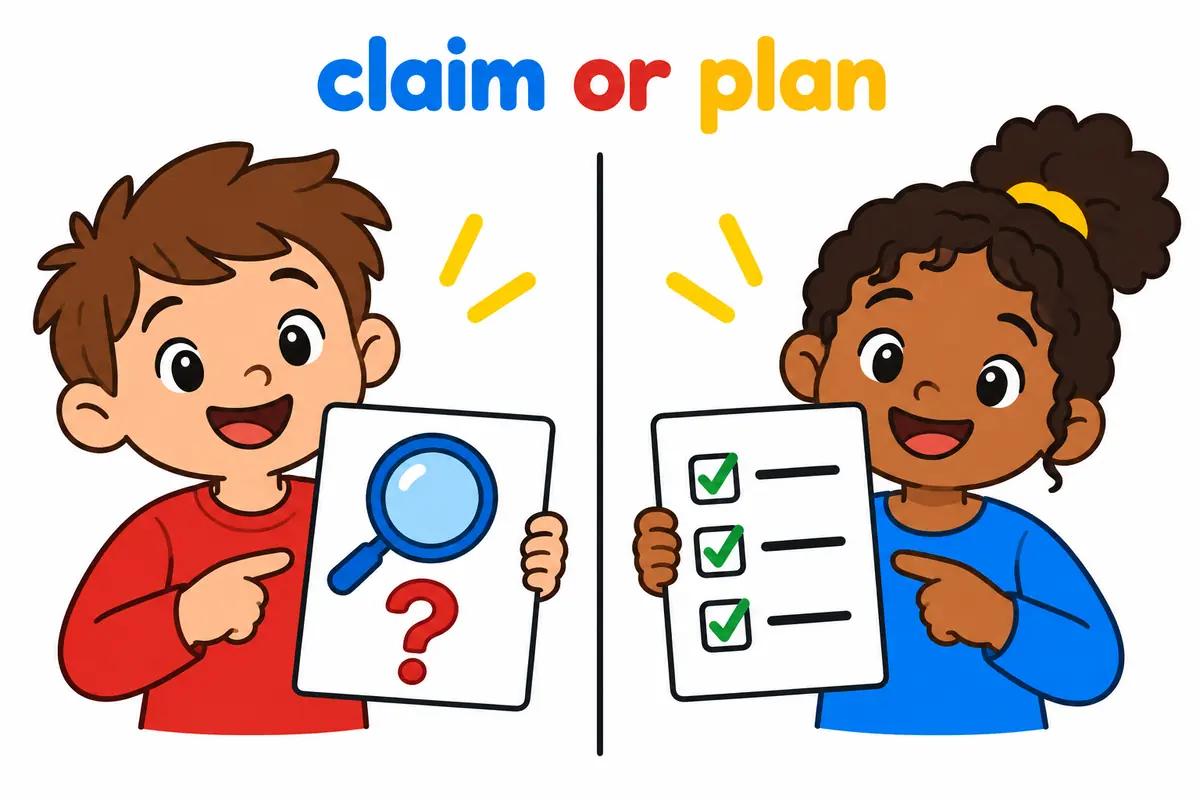
Choose posit when you put a claim forward to be examined, and choose propose when you put a plan forward to be adopted. When the claim is stated firmly without any offer to test it, assert a position fits better.
Word forms and grammar of posit
The verb is regular, but one doubled letter trips up many writers.
| Form | Part of speech | Example |
|---|---|---|
| posit | base verb | Researchers posit a seasonal effect. |
| posits | verb, third person singular | The theory posits three separate stages. |
| posited | verb, past tense and past participle | She posited that demand would fall. |
| positing | verb, present participle and gerund | Positing a cause is not proving it. |
| posited | adjective from the participle | The posited link remains untested. |
| positted | non-standard spelling | Do not write positted for the past tense. |
| position | related noun, different meaning | The position of the marker had changed. |
The related noun position is a false friend for learners. It comes from the same Latin root but means a place or a stance, not a claim that has been put forward, so a sentence cannot contain the position that the two trends are linked. When a noun is needed for a posited idea, English reaches for assumption, hypothesis or proposition.
Common mistakes with posit
Incorrect: The results posited the theory. The results posited the theory. Correct: The results confirmed the theory. Results cannot put a claim forward; they support or confirm one.
Incorrect: She posited about the cause. She posited about the cause. Correct: She speculated about the cause. Posit is transitive and takes no preposition.
Incorrect: I posit you take a break. I posit you take a break. Correct: I suggest you take a break. Posit takes no object plus bare infinitive, and everyday advice is too casual for it. To offer a fix rather than a claim, propose a solution is the plainer verb.
Incorrect: The data posits that sales rose. The data posits that sales rose. Correct: The data suggest that sales rose. Inanimate data suggest; posit needs a subject that can advance a claim.
Incorrect: He positted a new model. He positted a new model. Correct: He posited a new model. The past tense is posited, with one t.
Practice using posit
Six short tasks mix filling gaps, choosing between near-synonyms and repairing errors.
- Fill in the blank: The study _____ that sleep improves memory. (one word)
- Choose the better word: The manager will [propose / posit] a new rota on Monday.
- Correct the error: The economist posited about the cause of the slowdown.
- Build a sentence: use posit plus a that-clause about homework.
- Spot the register: which sentence belongs in an academic abstract? (a) I posit we grab lunch. (b) The study posits a modest effect.
- Fill in the blank with the correct form: A link between the two trends was _____ by the authors. (one word)
Answers
- posits, because the subject study is singular and the claim is present.
- propose, because a rota is a plan for action rather than a claim for testing.
- The economist speculated about the cause of the slowdown, because posit takes no about.
- Model answer: The teacher posited that homework improves spelling, using posit plus a that-clause.
- Sentence (b), because an abstract reports a claim for testing while (a) is casual and uses posit for a plan.
- posited, the passive past participle of posit.
The bottom line
The safest way to use posit in a sentence is to attach it to a that-clause or a direct object, as in the study posits a link. Keep it for formal writing where a claim is offered for testing, and reach for propose when a plan is being offered instead. Posit never means prove, and it never takes the preposition about.
Frequently asked questions about posit
Is posit a formal word?
Posit belongs to academic, scientific and legal writing. It sounds out of place in casual conversation, where suggest or propose is the natural choice. A sentence such as I posit we leave now is grammatical but oddly stiff, while I suggest we leave now fits everyday speech.
What is the past tense of posit?
The past tense and past participle are both posited, and the present participle is positing. The third person singular is posits. A study may have posited a link last year, a report may be positing one now, or two authors may posit one together.
Can posit take the preposition about?
No. Posit is transitive, so it takes a direct object or a that-clause and never the preposition about. You posit a cause, or you posit that a cause exists, but you speculate about a cause. Adding about is the error that most often reveals a learner.
Is posit the same as postulate?
They overlap but differ in emphasis. Postulate often frames a claim as a formal assumption inside a system of reasoning, while posit simply puts a claim forward for discussion or testing. In most essays either verb works, though postulate sounds more technical.