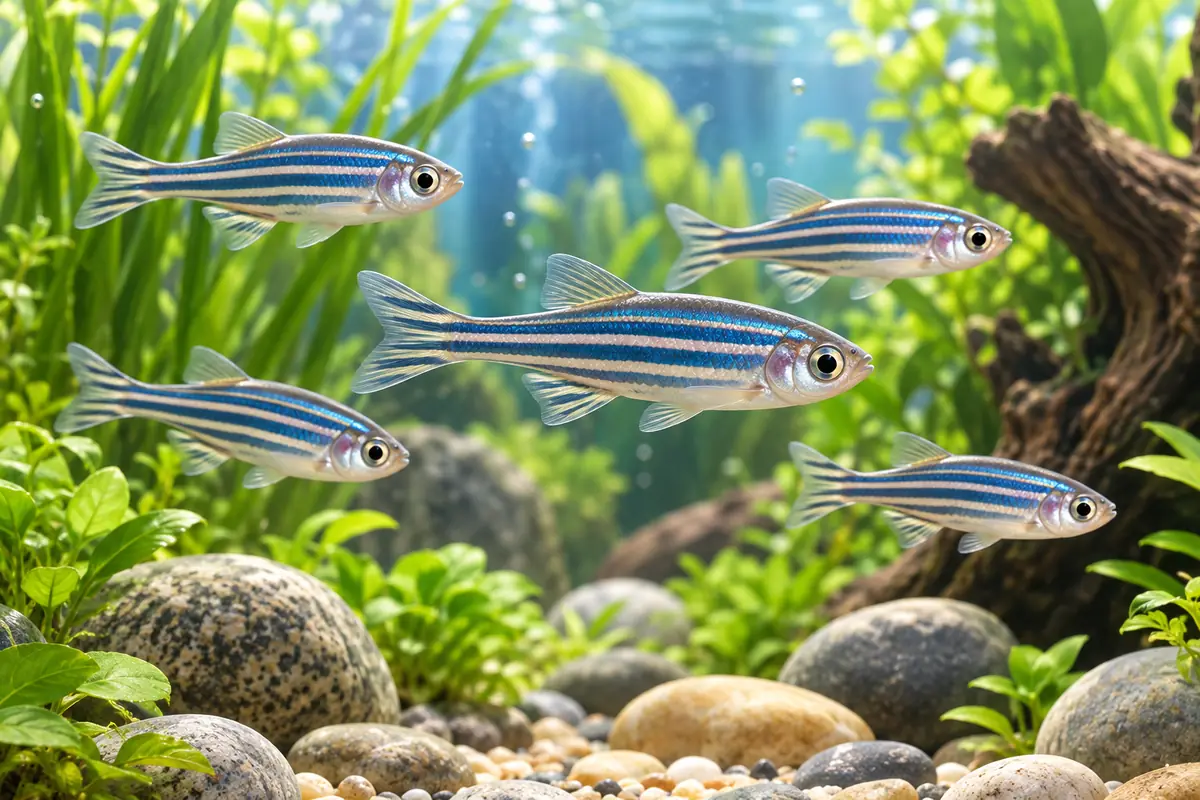
Fishes that start with J include John dory, Japanese eel, jacksmelt, Japanese ricefish, jaguar cichlid, and Jack Dempsey. These names cover different groups rather than a single kind of fish. Pair each common name with a scientific name when possible, because regional names and broad terms such as jack can be ambiguous.
- J fish names include freshwater and marine examples.
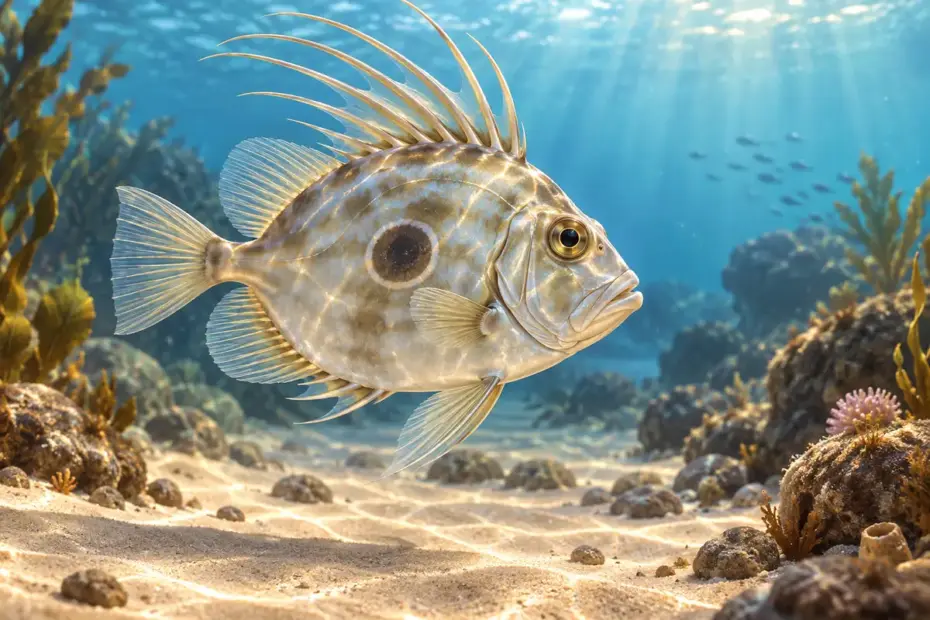
- John dory is associated with the scientific name Zeus faber.
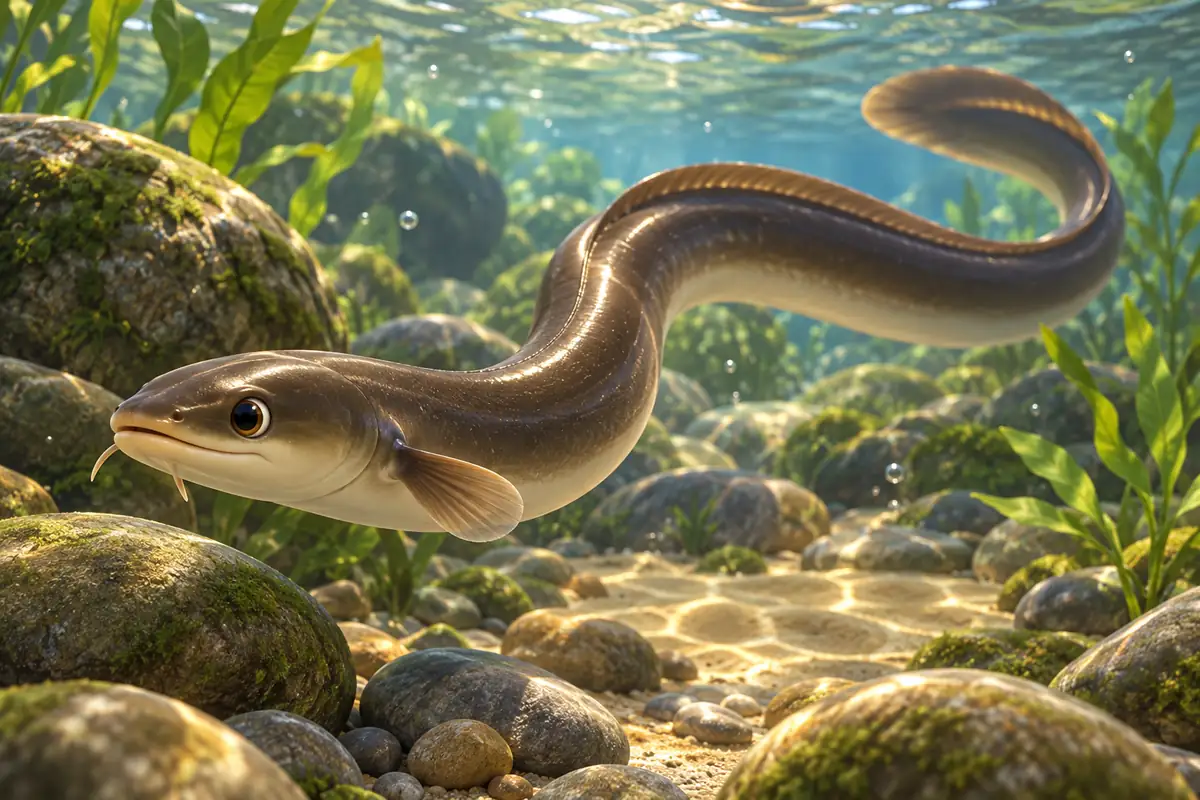
- Japanese eel is Anguilla japonica.
- Jack can refer to several fish rather than one unique species.
- Jellyfish are not fish and do not belong in a biological fish list.
Fishes that start with J: quick reference
| Common name | Scientific name or scope | Identification note |
|---|---|---|
| John dory | Zeus faber | Deep, flattened body and a dark side spot. |
| Japanese eel | Anguilla japonica | An elongated eel; the common name identifies a species. |
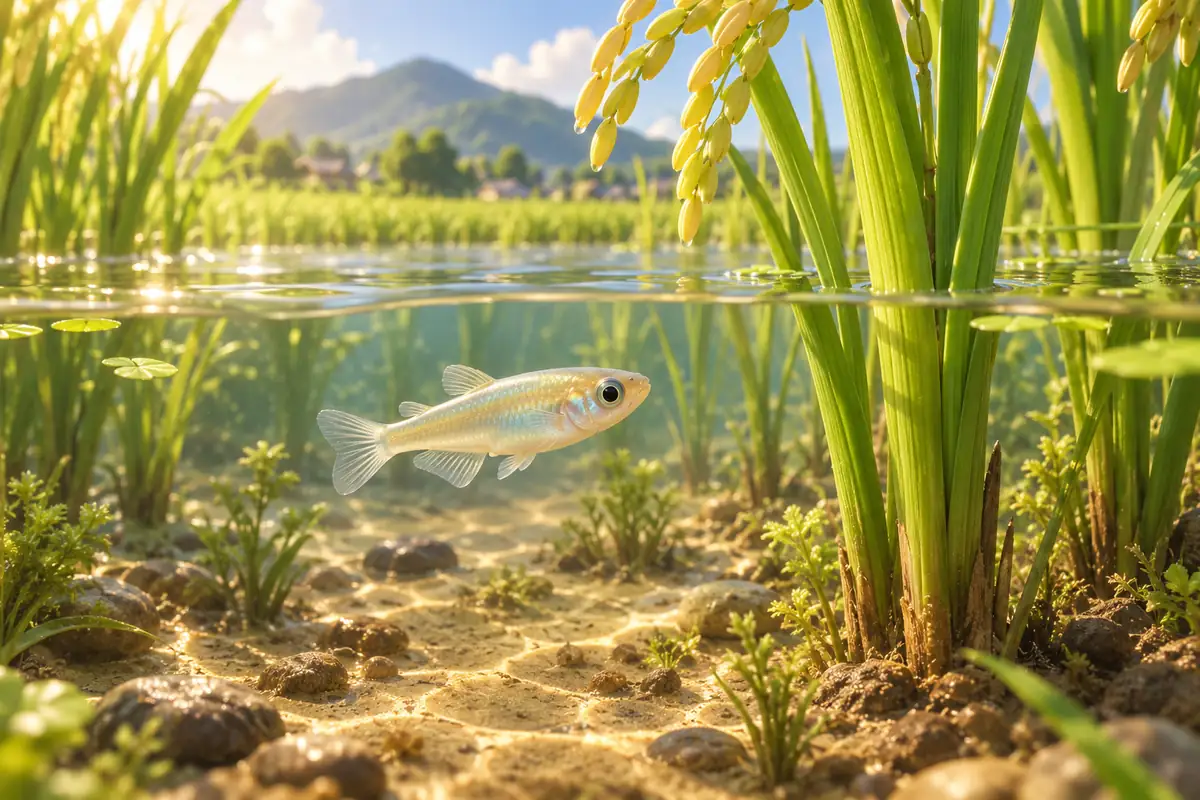
| Japanese ricefish | Oryzias latipes | A small ricefish also called medaka. |
| Jaguar cichlid | Parachromis managuensis | Spotted cichlid associated with Central America. |
| Jack Dempsey | Rocio octofasciata | A freshwater cichlid with a familiar aquarium common name. |
| Jacksmelt | Atherinopsis californiensis | A silverside whose common name can suggest a different group. |
| Jack | Various fishes | A broad common name; add the species when accuracy matters. |
Which names are confirmed species references?
FishBase identifies John dory as Zeus faber, and its Japanese eel entry identifies Anguilla japonica. These scientific-name pairings make a vocabulary list more useful than a list of names alone. Scientific names identify taxa; the initial letter of the common name is only a language-based sorting rule.
Why does jack need extra context?
Jack is a general common name used for multiple fishes. “We saw a jack” may suit casual narration, but a school report, species checklist, or field record needs a more specific name. Do not count every local nickname as a separate species without checking whether several names refer to the same animal.
How do you check an unfamiliar J fish name?
Search the complete name in a taxonomic database, then check the scientific name and the recorded common-name language. Common names vary across countries and may refer to more than one species. A search result for a shop listing or aquarium nickname is not, by itself, proof that the name uniquely identifies a species.
- Copy the full common name rather than only its first word.
- Find the corresponding scientific name in a fish reference.
- Check whether the entry identifies a species, family, or broad group.
- Record freshwater, marine, or migratory context only when supported.
Are these names aquarium recommendations?
No. A fish appearing in an alphabet list is not a recommendation to buy or keep it. Adult size, behavior, water requirements, legal restrictions, and sourcing need separate research. A small specimen in a shop may grow substantially, and unrelated J-named fish should not be assumed to have compatible care requirements.
Frequently asked questions
Is jellyfish a fish that starts with J?
Jellyfish starts with J in ordinary spelling, but jellyfish are not biological fish. Keep the term out of a list that specifically asks for fishes. If a classroom activity asks for sea animals instead, jellyfish can fit that broader category. State which category the activity is testing.
Can I use Japanese eel in a word game?
Japanese eel is a valid J-initial common-name phrase when a game permits multiword fish names. Some games require a single word or exclude geographic modifiers, so check the rules first. For a factual worksheet, pairing Japanese eel with Anguilla japonica makes the identification more precise.
Why do scientific names begin with different letters?
Alphabet lists normally sort by the English common name, not the scientific name. John dory therefore belongs under J even though Zeus faber begins with Z. A scientific-name index would place the same species differently. Label the naming system to prevent confusion in a classroom or database.
Is fishes different from fish?
Fish is the usual plural for multiple individual fish. Fishes can emphasize different species or kinds, especially in scientific or natural-history writing. Both appear in English. In an alphabet article, fishes highlights the range of named types, while “fish that start with J” is also a natural title.
There are many types of fishes in the world, and some of them have interesting names. In this article, we will learn about some fishes whose names begin with the letter “J”.
The first fish on our list is the Japanese rice fish. This small fish is native to East Asia and is often found in rice paddies. It is a popular fish for aquaculture and is also used in traditional Chinese medicine.
The next fish is the jaguar cichlid. This fish is native to Central and South America, and its name comes from its spots, which are said to resemble a jaguar’s. The jaguar cichlid is a popular aquarium fish, and it is also used in traditional medicine in some parts of the world.
So, there you have it! Some interesting facts about two fishes whose names begin with the letter “J”.
Fishes That Start With The Letter J
If you’re a fan of seafood, you might be wondering which fish start with the letter “J.” Here are some of the most popular fishes that begin with this letter.
Jack
Jacks are various species of fish in the family Carangidae. They are among the most common and widely distributed fish in the world. Jacks typically have an elongated body and a forked tail.
Jacks are predatory fish, feeding on smaller fishes, squid, and crustaceans. They are typically found in tropical and subtropical waters, although some species (such as the jack mackerel) can be found in temperate zones as well.

The jack family includes many important food fish, including the yellowtail, jack mackerel, trevally, and pompano.
The jack family contains a number of genera, including:
- Caranx
- Decapterus
- Trachurus
- Seriola
- Gnathanodon
- Selene
Some of the most popular and well-known jack species include:
Yellowtail Jack (Caranx bartholomaei)
The yellowtail jack is a species of jack fish in the Carangidae family. It is found in the tropical and subtropical waters of the Atlantic, Pacific, and Indian Oceans. The yellowtail jack is a popular game fish, and is also considered to be a good food fish.

Jack Mackerel (Trachurus declivis)
The jack mackerel is a species of mackerel in the Trachurus genus. It is found in the temperate waters of the Pacific and Indian Oceans. The jack mackerel is an important commercial fish, and is also popular as a game fish.

Japanese Eel

The Japanese eel (Anguilla japonica) is a fascinating fish with a long and mysterious journey. These sleek, eel-like fish spend most of their lives in the freshwater rivers and lakes of East Asia, but to reproduce, they embark on an epic migration across the Pacific Ocean to spawn in the Sargasso Sea, near Bermuda. After hatching, the tiny eel larvae, called leptocephali, drift back towards the coasts of East Asia on ocean currents, a journey that can take up to a year. Once they reach the coast, they transform into glass eels, transparent fish that migrate up rivers and into freshwater habitats.
Japanese eels are prized for their delicious flavor and are a popular delicacy in Japan and other parts of East Asia. They are often cooked in eel bowls (donburi) or grilled and served with a sweet and savory sauce. However, overfishing and habitat loss have led to a decline in Japanese eel populations, and they are now classified as a threatened species. Conservation efforts are underway to protect these amazing fish and ensure their future survival.
Here are some fun facts about Japanese eels that you can share with your kids:
- Japanese eels can grow up to 3 feet long.
- They have a long, slender body with a pointed tail.
- Japanese eels are nocturnal and spend most of the day hiding in mud or rocks.
- They are excellent climbers and can even scale waterfalls.
- Japanese eels have a unique blood protein that helps them survive in both freshwater and saltwater.
Jack Dempsey

The Jack Dempsey (Cichlasoma labiatum) is a feisty and colorful fish that is native to the Central American countries of Mexico, Guatemala, Belize, and Honduras. It is a popular choice for aquariums due to its hardy nature and its aggressive personality. Jack Dempseys are medium-sized fish, reaching up to 12 inches in length, and they have a deep, blue-green body with a bright red hump on their forehead. They are also known for their large, expressive eyes and their sharp teeth.
Jack Dempseys are omnivores and will eat a variety of foods, including pellets, flakes, brine shrimp, and bloodworms. They are relatively easy to care for, but they do require a spacious aquarium with plenty of hiding places. Jack Dempseys are territorial fish and can be aggressive towards other fish, so it is important to choose tank mates carefully. However, they can also be very playful and interactive fish, and they make fascinating additions to any aquarium.
Here are some fun facts about Jack Dempseys that you can share with your kids:
- Jack Dempseys are named after the famous American boxer Jack Dempsey due to their aggressive nature.
- They can live for up to 15 years in captivity.
- Jack Dempseys are mouthbrooders, which means that the female carries the fertilized eggs in her mouth until they hatch.
- They are intelligent fish and can learn to recognize their owners.
- Jack Dempseys are popular aquarium fish in many parts of the world.
Jawfish

Jawfish are a diverse group of fish that are found in tropical and subtropical waters around the world. They are named for their large, powerful jaws, which they use to burrow into sand and rock. Jawfish are typically small, only growing to a few inches in length, and they come in a variety of colors and patterns. Some jawfish are brightly colored, while others are more camouflaged.
Jawfish live in burrows that they create themselves. They use their jaws and fins to dig out the sand and rock, and they can create burrows that are several feet deep. Jawfish are territorial fish and will defend their burrows from other fish. They often form symbiotic relationships with shrimp or gobies, which live in their burrows and help to keep them clean.
Jawfish are carnivores and eat a variety of small animals, including plankton, worms, and crustaceans. They use their powerful jaws to suck up their prey. Jawfish are an important part of the marine ecosystem and help to control the populations of other small animals.
Here are some fun facts about jawfish that you can share with your kids:
- There are over 200 species of jawfish.
- Jawfish can change the color of their bodies to match their surroundings.
- Some jawfish have luminescent spots on their bodies that they use to attract mates.
- Jawfish are hermaphrodites, which means that they can change their sex from male to female or vice versa.
- Jawfish are popular aquarium fish, but they can be challenging to care for.
Javelin

The aptly named Javelin (Balistoides viridescens) is a torpedo-shaped fish that cuts through the coral reefs of the Indo-Pacific Ocean with remarkable speed. Reaching up to 12 inches in length, this vibrant green fish is adorned with iridescent blue stripes and spots, resembling a living dart. Its streamlined body and powerful tail fin allow it to shoot through the water at speeds of up to 35 miles per hour, making it one of the fastest fish in its habitat.
Javelins are solitary creatures, known for their territorial behavior. They defend their patch of reef with lightning-fast attacks, using their strong jaws to snap at intruders. Despite their fierce demeanor, these fish are primarily herbivores, grazing on algae and seaweed that grows on the coral. They play an important role in maintaining the health of the reef ecosystem by preventing algae overgrowth.
Fun facts about Javelins:
- Their scales are covered in a slimy mucus that helps them evade predators.
- They can change color slightly to blend in with their surroundings.
- Javelins have small, sharp teeth that they use to scrape algae off rocks and corals.
- They are a popular choice for aquariums, but their aggressive nature means they should only be kept with other peaceful fish.
Jewelfish

The dazzling Jewelfish (Hemichromis bimaculatus) is a freshwater fish native to Africa that lives up to its name with its stunning coloration. Males shimmer with iridescent scales of turquoise, blue, and orange, while females display a more subdued blend of silver and gold. These medium-sized fish, reaching up to 6 inches in length, are popular aquarium inhabitants due to their vibrant beauty and relatively peaceful nature.
Jewelfish are omnivores and will readily accept a variety of foods, including pellets, flakes, brine shrimp, and bloodworms. They are relatively easy to care for, but they do require a spacious aquarium with plenty of hiding places and territorial tank mates. While Jewelfish can be aggressive towards other fish when defending their territory, they are generally calm and docile towards humans.
Fun facts about Jewelfish:
- They are mouthbrooders, meaning the female carries the fertilized eggs in her mouth until they hatch.
- Jewelfish can live for up to 10 years in captivity.
- They are intelligent fish and can learn to recognize their owners.
- They are relatively peaceful fish, but they will not hesitate to defend their territory from intruders.
Jewel Tetra

The Jewel Tetra (Hemigrammus steindachneri) is a small, schooling fish that brings a touch of elegance to any freshwater aquarium. Native to the Rio Negro in South America, these shimmering beauties display a stunning combination of iridescent blue, green, and red scales. Their bodies are elongated and slender, reaching up to 2 inches in length, and their fins are edged with black, adding a touch of contrast to their dazzling display.
Jewel Tetras are peaceful fish that thrive in community tanks with other calm species. They are omnivores and will readily accept a variety of foods, including flakes, pellets, brine shrimp, and bloodworms. However, they require soft, acidic water with plenty of plants and hiding places to feel comfortable. Providing them with these ideal conditions will bring out their vibrant colors and playful behavior.
Fun facts about Jewel Tetras:
- They are schooling fish and do best when kept in groups of 6 or more.
- Jewel Tetras are relatively easy to care for, making them a good choice for beginner aquarists.
- They are sexually dimorphic, meaning males are more brightly colored than females.
- Jewel Tetras are egg-layers and will scatter their eggs among the plants in the aquarium.
11 Fishes Beginning With J
| Jack | Jackfish |
| Jack Dempsey | Japanese eel |
| Javelin | Jawfish |
| Jellynose fish | Jewelfish |
| Jewel tetra | Jewfish |
| John Dory |
Conclusion
There are many different types of fish that start with the letter “J”. Some of these fish are the jack, jaguar, and jellyfish. Each of these fish have different characteristics and live in different environments. The jack is a type of fish that is found in the ocean and can grow to be very large. The jaguar is a type of fish that is found in rivers and is known for its spots. The jellyfish is a type of fish that is found in the ocean and is known for its sting.