Human body parts that start with L include organs, heart chambers, muscles, nerves, ligaments, body regions, and anatomical spaces. Examples include the liver and lungs, the left atrium and left ventricle, and the lingual nerve. The list mixes different kinds and levels of anatomy, so not every entry is a separate organ.
At a glance
- The L directory contains 24 terms spanning organs, chambers, muscles, nerves, connective tissues, body regions, lymphatic structures, and spaces.
- The left atrium receives blood returning from the lungs; the left ventricle then pumps blood through the aortic valve into the aorta.
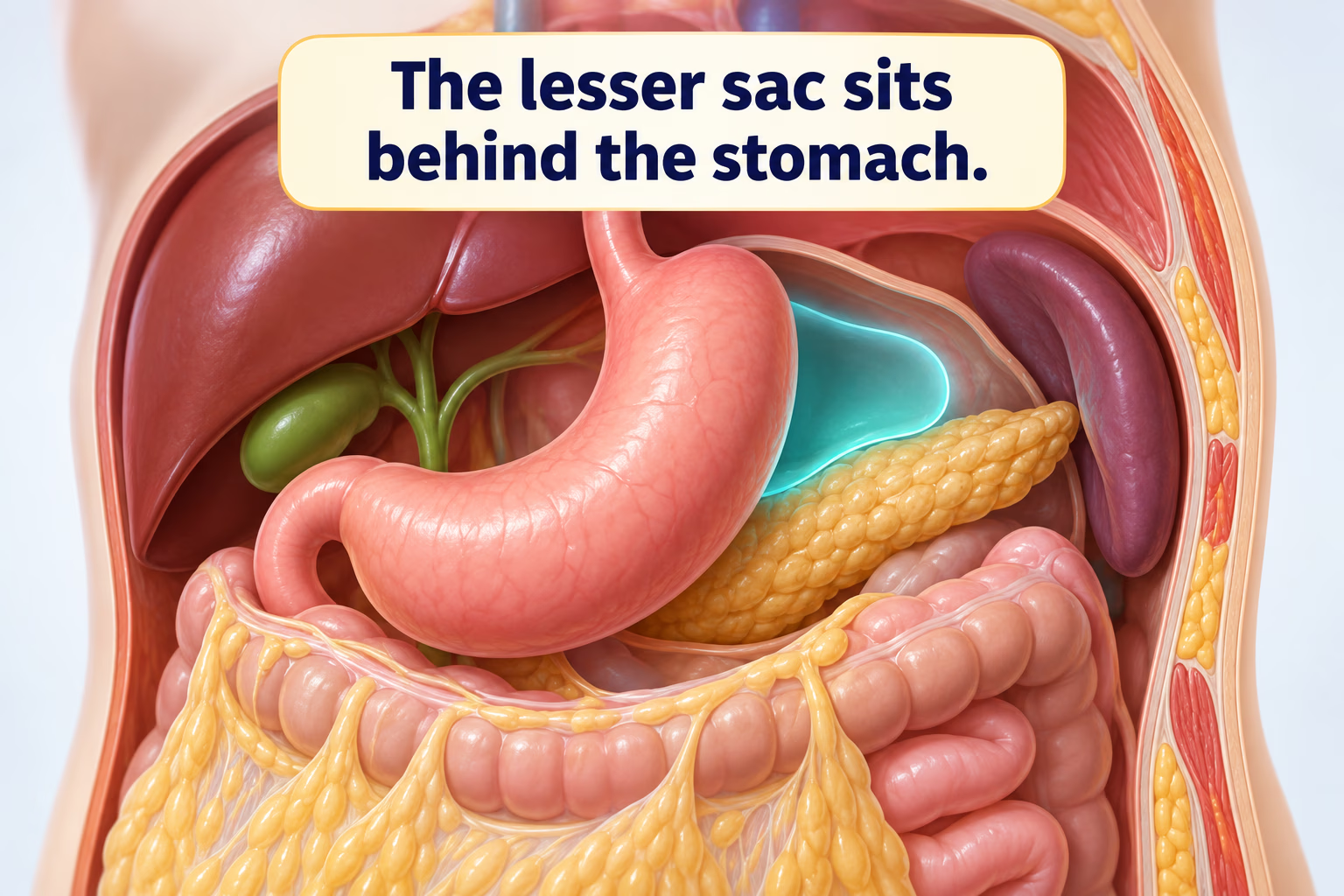
- The lesser sac is an abdominal peritoneal space behind the stomach, not a chamber around the heart.
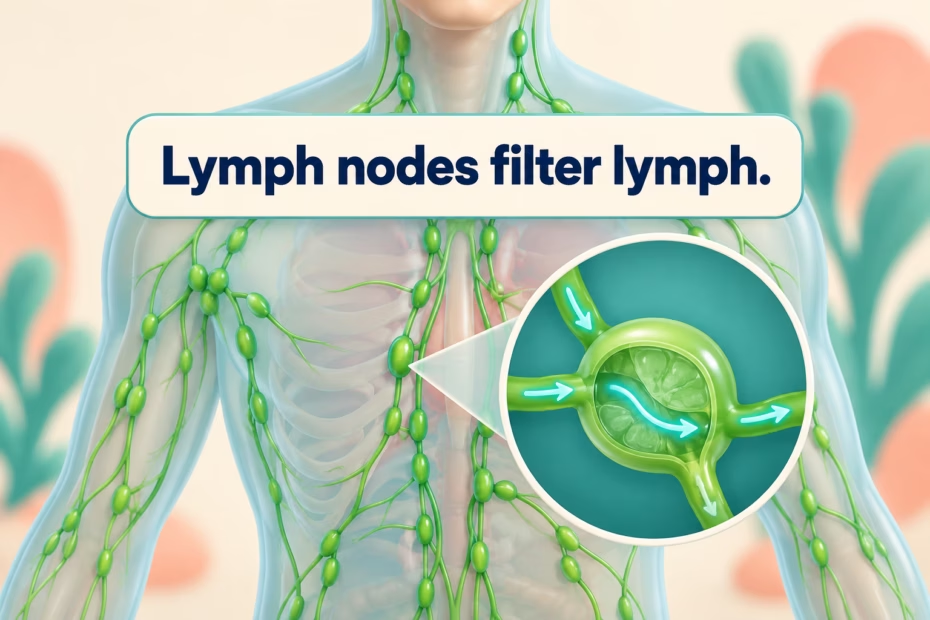
- Lymph nodes filter lymph and support immune surveillance; they do not diagnose the cause of swelling by themselves.
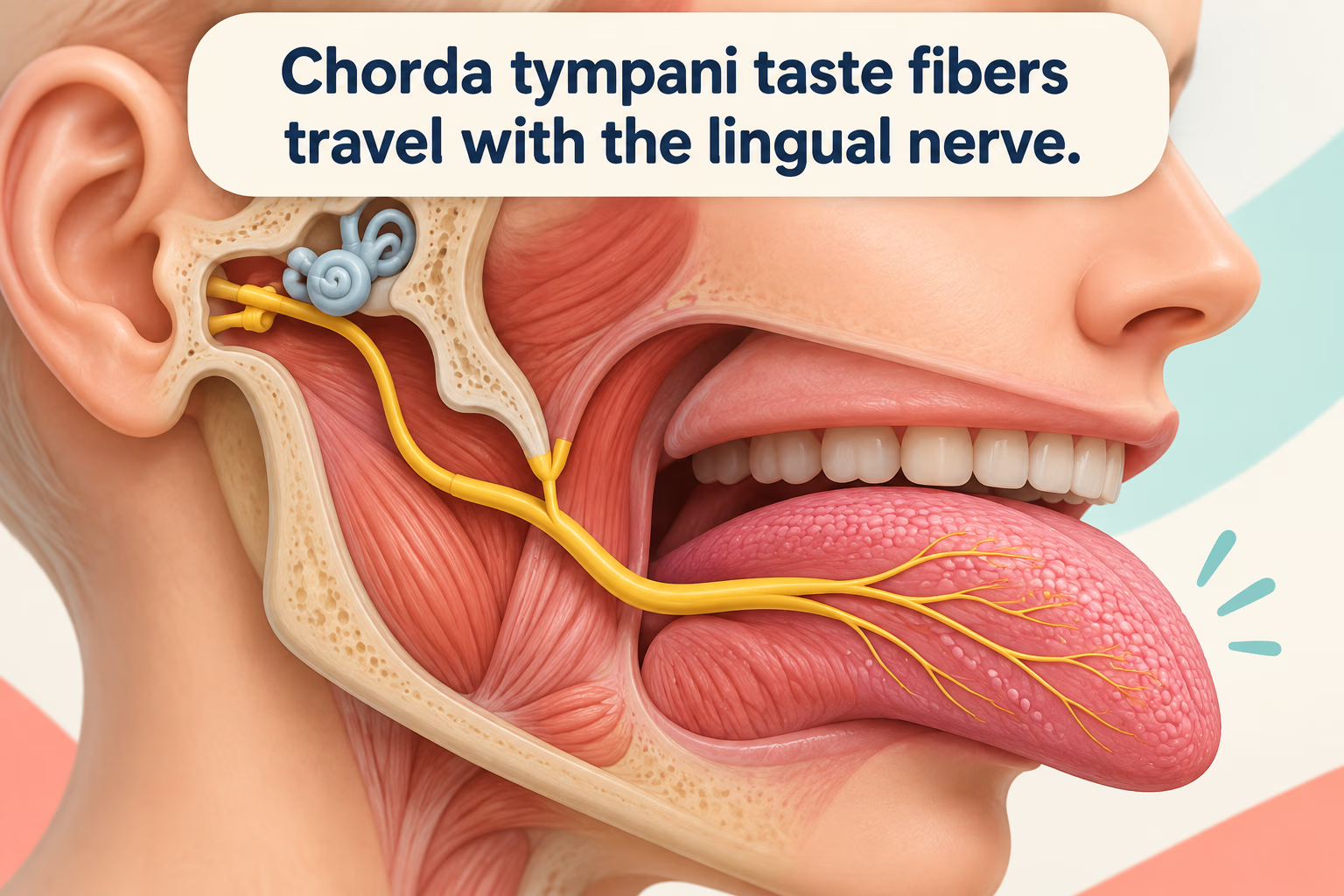
- The lingual nerve carries general sensation from the front part of the tongue; taste fibers from the chorda tympani travel with it.

What kinds of structures are on the L list?
The list is an alphabetized vocabulary directory, not a list of 24 independent organs. Its terms describe structures at different levels: an entire organ, one heart chamber, a muscle, a nerve, a body region, or a space. Some items overlap: legs are part of the lower limbs, and the liver’s lobes are parts of the liver.
| Type | Examples from the directory | How to read the term |
|---|---|---|
| Organs | Liver; lungs | Distinct organs with different roles; the liver is one organ, and its left and right lobes are subdivisions. |
| Heart chambers | Left atrium; left ventricle | Two chambers of the same heart, connected by the mitral valve. |
| Muscles and connective tissues | Laryngeal muscles; lateral rectus muscle; levator ani; ligaments | Muscles contract; ligaments are connective tissues that connect bones or support joints and structures. |
| Nerve | Lingual nerve | A sensory pathway with general-sensation and accompanying taste-fiber roles in the front part of the tongue. |
| Lymphatic structures | Lymph node; lymphatic vessel | Nodes filter lymph and host immune activity; vessels carry lymph through the lymphatic system. |
| Spaces and regions | Lesser sac; lateral ventricles; limbs; legs | Some name internal spaces; others name regions or groups. Limbs and legs overlap rather than representing separate organs. |
How do the left heart chambers and valves work?
The left atrium receives oxygen-rich blood from the pulmonary veins and passes it through the mitral valve into the left ventricle. The ventricle contracts to send blood through the aortic valve into the aorta and onward to the body. The valves have different locations and directions: the mitral valve prevents backward flow into the left atrium, while the aortic valve prevents blood in the aorta from flowing back into the ventricle. The American Heart Association’s valve guide explains these routes.
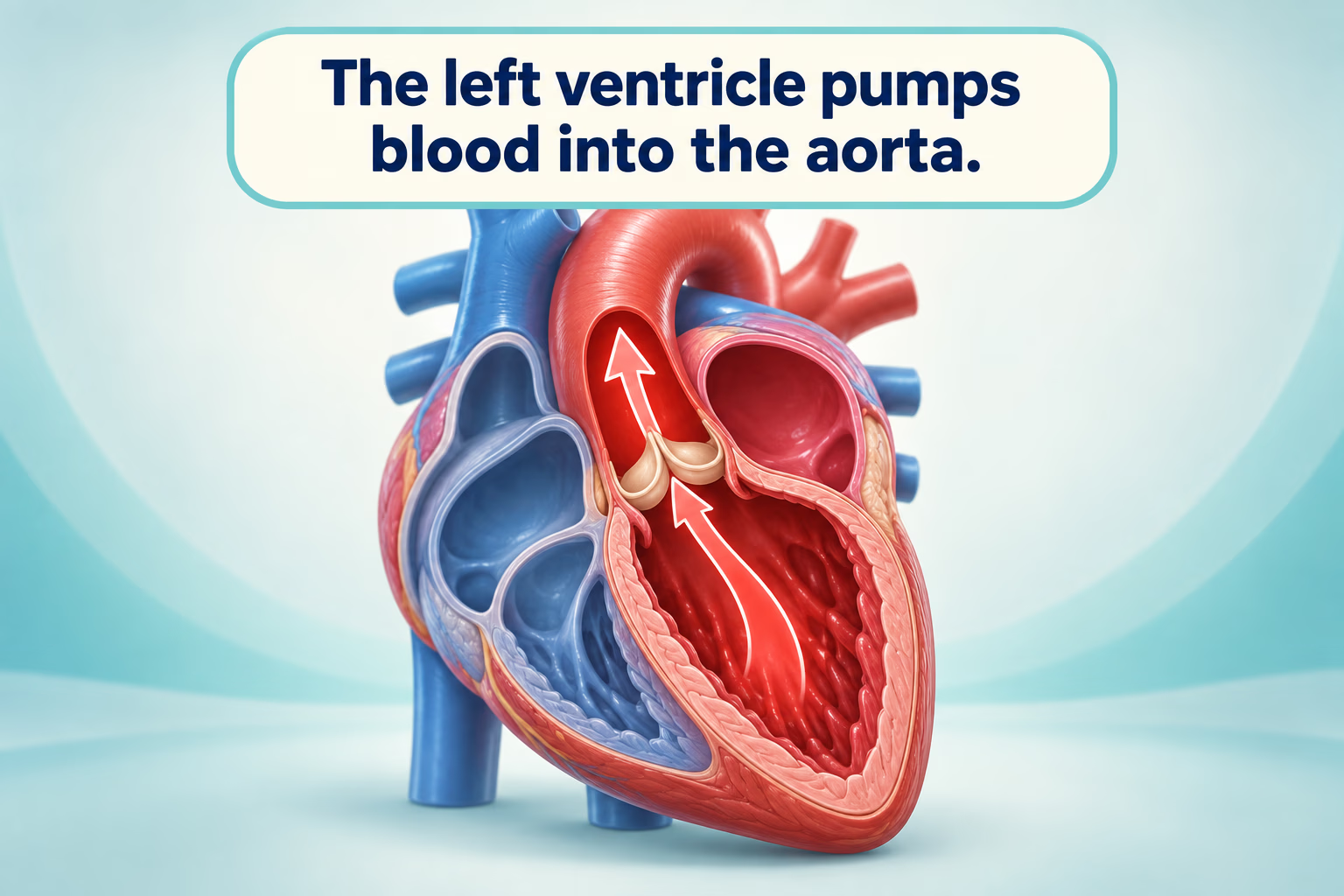
The left ventricle has a thicker wall than the right ventricle because it pumps blood through the systemic circulation. That structural difference is more precise than ranking it as “the strongest muscle,” a phrase the source text uses without defining a strength measure. See NCBI Bookshelf’s left-ventricle overview.
Where is the lesser sac?
The lesser sac, also called the omental bursa or lesser peritoneal sac, is an abdominal space behind the stomach and in front of the pancreas. It communicates with the greater peritoneal cavity through the epiploic foramen. It is not part of the pericardial cavity and does not cushion, lubricate, or regulate the temperature of the heart. A peer-reviewed imaging review of the peritoneal spaces describes this location.
What does the lingual nerve carry?
The lingual nerve carries general sensation—such as touch and temperature—from the anterior two-thirds of the tongue. Taste receptors are in taste buds within tongue papillae, not on the nerve itself. Taste fibers from the chorda tympani, a branch of the facial nerve, join the lingual nerve and travel with it to that region. The NCBI Bookshelf anatomy reference distinguishes these pathways.
What do lymph nodes do?
Lymph nodes filter lymph and provide sites for immune cells to encounter material carried in that fluid. Lymphocytes circulate into nodes; after recognizing an antigen, some can become activated and proliferate there. Nodes are not simply factories that produce all lymphocytes. NCBI Bookshelf’s lymph-node overview describes filtration and immune surveillance.
A swollen node can have many possible causes, and its presence alone does not identify one. The preserved source paragraph mentions infection, rheumatoid arthritis, and cancer; those examples should not be read as a diagnosis. The NHS overview of swollen glands also lists multiple possible causes.
How should the source’s other claims be read?
| Source point | Careful interpretation | Evidence |
|---|---|---|
| “About 2,000 steps per day” as an average | The source gives no population or measurement method. Do not present that figure as a universal human average. A U.S. NHANES study of 3,744 adults in 2005–2006 estimated 6,540 steps per day with low-activity counts censored and 9,676 without censoring; the result depends on the monitor and conversion method. | NHANES step-count analysis |
| COPD as a “leading cause” worldwide | Date the claim: the WHO reported COPD as the fourth leading cause of death globally in 2021, accounting for about 5% of deaths that year. | WHO leading causes of death |
| Left atrial appendage as preventing clots | The appendage is a pouch in the left atrium. In atrial fibrillation, blood can pool there and clots can form; it should not be described as a clot-prevention structure. | American Heart Association: left atrial appendage |
| “Long” and “Lumbar Vertebra” in neighboring directory cells | Keep the two cells separate. “Long” alone is incomplete as an anatomy name; “lumbar vertebra” is a valid term, but the source does not make the combined phrase “long lumbar vertebra.” | Original directory wording is preserved below. |
| Limbs, legs, liver lobes, and whole organs in one list | These terms are useful for alphabet search but are not parallel categories: legs are part of the lower limbs, and liver lobes are parts of one organ. | Basic anatomical hierarchy; full source directory retained below. |
This page is for general anatomy learning. It does not diagnose symptoms or replace care from a qualified health professional.
Original article and directory
The following source article is preserved verbatim, including its wording, list entries, images, links, and table. The corrections above provide context where an original statement conflicts with current anatomical references.
The labyrinth of human anatomy is filled with myriad parts, each contributing to the intricate dance that keeps us alive and thriving. As we progress in our alphabetical exploration of the body, we come upon the letter “L.” This letter heralds a list of essential body parts, from our limbs that enable movement, to our lungs that breathe life.
In this article, we will delve into the body parts that begin with “L,” offering a deeper insight into their structure, function, and the indispensable roles they play within us. Let us embark on this enlightening journey together, appreciating the nuances and wonders of these “L” designated wonders of our anatomy.
Human Body Parts That Start With The Letter L
From top to toe, the human body is a marvel of intricate systems, structures, and substances. Each component, regardless of its size, plays a pivotal role in maintaining our health, mobility, and overall functionality. As we continue our alphabetic journey through anatomy, the letter ‘L’ introduces us to a range of essential body parts. This article will comprehensively explore the various body parts that begin with the letter “L.”
1. Liver

A key player in the digestive system, the liver is the largest internal organ in humans.
- Structure and Location: Situated in the upper right quadrant of the abdomen, beneath the diaphragm, the liver is a reddish-brown organ that’s soft and malleable.
- Functions: The liver has a myriad of roles. It processes nutrients absorbed from the intestines, produces bile (which helps digest fats), detoxifies chemicals, metabolizes drugs, and produces proteins essential for blood clotting.
- Clinical Significance: Diseases like hepatitis, cirrhosis, and liver cancer can severely impact its function. Due to its regenerative ability, the liver can recover from minor damages, but prolonged or severe conditions may lead to irreversible damage and require transplantation.
2. Lungs

Central to our respiratory system, the lungs are responsible for providing life-sustaining oxygen to our bodies.
- Structure and Location: Located within the ribcage, there are two lungs – the right lung (which is larger and has three lobes) and the left lung (with two lobes to accommodate the heart).
- Functions: The lungs facilitate gas exchange, drawing in oxygen from the air and expelling carbon dioxide from the bloodstream.
- Clinical Significance: Diseases such as asthma, pneumonia, tuberculosis, and lung cancer can impact lung function. Chronic obstructive pulmonary disease (COPD), which includes conditions like emphysema and chronic bronchitis, remains a leading cause of death globally.
3. Larynx

Commonly known as the voice box, the larynx plays a central role in speech and breathing.
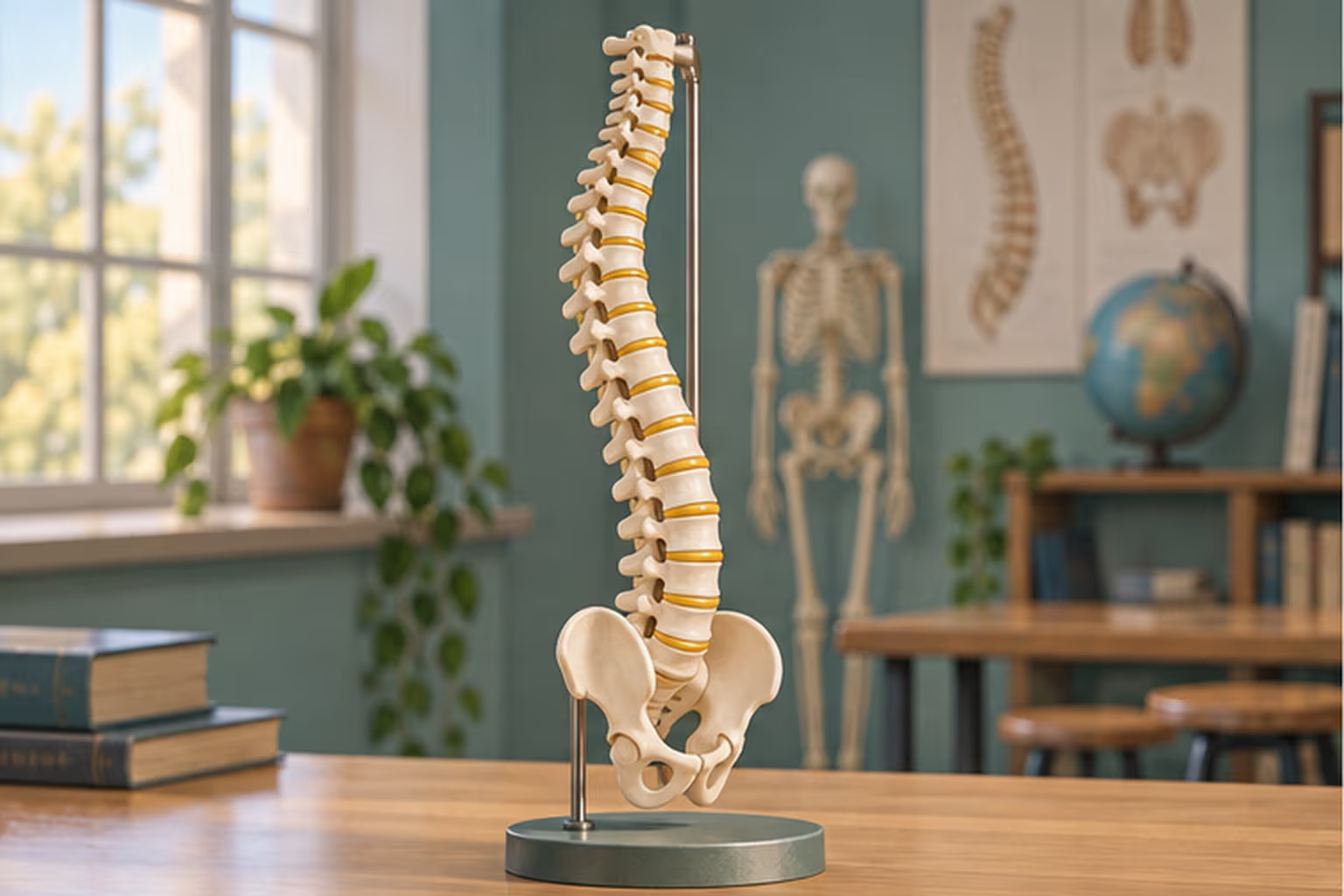
- Structure and Location: Situated in the neck between the trachea and the base of the tongue, the larynx consists of cartilages, muscles, and ligaments.
- Functions: Besides being integral for producing sounds and speech, the larynx also prevents food and liquids from entering the trachea and lungs.
- Clinical Significance: Inflammation of the larynx, called laryngitis, can result in a hoarse voice or temporary voice loss. Prolonged strain or misuse of the voice, tumors, and certain infections can also affect the larynx.
4. Limbs

The arms and legs, collectively termed limbs, are fundamental for locomotion and interaction with our environment.
- Structure and Location: The upper limbs or arms consist of the humerus, radius, ulna, carpal bones, metacarpals, and phalanges. The lower limbs or legs include the femur, tibia, fibula, tarsal bones, metatarsals, and phalanges.
- Functions: Upper limbs help in grasping, lifting, writing, and other precise movements. Lower limbs are essential for walking, running, jumping, and maintaining posture.
- Clinical Significance: Fractures, dislocations, and muscle injuries are common in limbs due to falls, sports, and other physical activities. Conditions like carpal tunnel syndrome or plantar fasciitis specifically target regions within the limbs.
5. Lymph Nodes

Part of the lymphatic system, lymph nodes play a vital role in our immune response.
- Structure and Location: These bean-shaped structures are scattered throughout the body, with concentrations in the neck, armpits, and groin.
- Functions: Lymph nodes filter harmful substances and are a site for lymphocyte production, which helps in fighting infections.
- Clinical Significance: Swollen lymph nodes are often a sign of infection, but they can also indicate conditions like rheumatoid arthritis or certain cancers, such as lymphoma.
6. Lips

While often considered in aesthetic terms, lips have functional significance too.
- Structure and Location: Located at the opening of the oral cavity, lips are muscular structures covered by skin outside and mucous membrane inside.
- Functions: Lips play a role in speech, facial expressions, and the initial stages of digestion, assisting in food intake.
- Clinical Significance: Conditions like cheilitis (lip inflammation) or cold sores can affect the lips. Moreover, lips can indicate systemic issues, like dehydration or cyanosis (a bluish discoloration indicating reduced oxygen levels).
7. Left Atrium: The Gateway to Power

Think of the left atrium as a cozy reception hall in the heart, welcoming oxygen-rich blood returning from the lungs. This thin-walled chamber serves as a temporary holding tank, collecting blood before pushing it on to the main pumping station.
- Welcoming Witness: The left atrium receives blood from four pulmonary veins, each carrying oxygen-rich blood back from the lungs. This “fresh air” is essential for fueling our bodies and keeping us going.
- Pressure Regulator: While waiting for its turn, blood in the atrium builds up a bit of pressure. This helps push the blood forward when the right time comes, like a well-coordinated team effort.
- Communication Center: Tiny nerve endings within the atrium send signals to the brain, keeping it informed about blood volume and pressure. This helps maintain the delicate balance needed for efficient circulation.
Did you know? The left atrium has a small appendage called the auricular appendage, nicknamed the “ear of the heart.” Though its exact function remains a mystery, it might play a role in blood clotting prevention.
8. Left Ventricle: The Mighty Muscle of Movement

Next door to the welcoming atrium stands the left ventricle, the powerhouse of the heart. This thick-walled chamber is the main pumping station, responsible for sending oxygen-rich blood throughout the body.
- Muscle Marvel: The left ventricle is the strongest muscle in the heart, generating enough force to push blood with incredible pressure. This pressure ensures oxygen reaches even the farthest corners of our bodies.
- Ejection Expert: With each powerful contraction, the ventricle ejects around 70 milliliters of blood into the aorta, the main highway of the circulatory system. This rhythmic pumping keeps the blood flowing and organs nourished.
- Safety Valve: To prevent backflow during contraction, the ventricle has a set of one-way valves called the mitral and aortic valves. These valves ensure blood flows the right way and only outwards, like a well-functioning pump system.
Fun fact: The left ventricle can generate enough pressure to shoot blood about 30 feet in the air! This incredible power is what keeps our bodies functioning optimally.
9. Lesser Sac: The Hidden Helper

Tucked behind the heart lies the lesser sac, a fluid-filled space that offers support and lubrication. Though often hidden from view, this lesser-known hero plays a vital role in the heart’s smooth operation.
- Shock Absorber: The fluid in the lesser sac cushions the heart, protecting it from sudden bumps or jolts. This allows the heart to stay stable and focused on its essential pumping task.
- Lubrication Layer: The fluid also lubricates the surrounding tissues, allowing the heart to move and contract smoothly without friction. This smooth operation ensures maximum efficiency and minimizes wear and tear.
- Heat Regulator: The lesser sac helps regulate the heart’s temperature. This is crucial because overheating can disrupt the heart’s delicate electrical signals and affect its pumping function.
Did you know? The lesser sac is part of the pericardial cavity, a larger space encompassing the entire heart. This cavity offers another layer of protection and support for this vital organ.
10. Legs: Locomotion Powerhouses

Think of your legs as two sturdy pillars propelling you through life. These amazing appendages enable us to walk, run, jump, dance, and explore the world around us. But legs are more than just transportation tools; they’re packed with incredible features:
- Strength and Stability: Powered by powerful muscles like the quadriceps and hamstrings, legs support our weight, allowing us to stand, squat, and climb. They also absorb shock with every step, keeping us pain-free and mobile.
- Flexibility and Balance: Joints like the knees and ankles offer flexibility for movement, while ligaments and tendons provide stability and balance. This intricate network keeps us upright and agile, whether navigating tricky terrain or mastering a new dance move.
- Circulation Champions: Leg muscles play a crucial role in pumping blood back to the heart through veins. This helps maintain healthy circulation and prevents pooling of blood in the lower limbs.
Did you know? The average human takes about 2,000 steps per day! That’s a lot of work for our legs, so regular exercise and stretching are essential to keep them strong and healthy.
11. Ligaments: Silent Connective Heroes

Imagine tiny, strong threads keeping your bones together – that’s the magic of ligaments. These fibrous bands connect bones at joints, providing crucial support and stability. Though silent heroes, ligaments play a vital role in our every move:
- Joint Guardians: Ligaments prevent excessive movement and dislocation at joints, keeping bones in their proper alignment. This ensures smooth joint function, whether you’re bending your knee or twisting your ankle.
- Shock Absorbers: Ligaments help absorb impact and pressure during movement, protecting bones and cartilage from damage. This cushioning system keeps us running, jumping, and playing without worry.
- Injury Prevention: Strong ligaments provide stability and prevent strains and sprains, common injuries caused by sudden or excessive force on the joints. Strengthening surrounding muscles can also help support ligaments and prevent injuries.
Did you know? The body has over 300 ligaments, each with a specific role and location. The strongest ligament in the body is the patellar ligament, located just below the kneecap, and it can withstand forces up to six times your body weight!
12. Lingual Nerve: The Taste Maestro

Nestled within the tongue lies the lingual nerve, our personal flavor conductor. This vital nerve transmits sensory information from the tongue to the brain, allowing us to experience the wonderful world of taste:
- Taste Detective: The lingual nerve has taste receptors called papillae, located on the tongue’s surface. These tiny sensors detect five basic tastes – sweet, salty, sour, bitter, and umami – enabling us to savor every bite.
- Temperature Tracker: The lingual nerve also helps us sense temperature in the mouth, allowing us to distinguish between hot and cold foods and drinks. This protects our mouths from potential burns and helps us enjoy food at the perfect temperature.
- Speech Supporter: The lingual nerve plays a role in speech by providing sensory feedback from the tongue. This feedback helps us control tongue movements and articulate sounds clearly.
Did you know? The lingual nerve also provides sensation to the floor of the mouth and part of the throat. This sensory information contributes to swallowing, gag reflex, and even breathing.
So, the next time you take a step, feel the stability of your joints, or savor a delicious meal, remember the incredible work of your legs, ligaments, and lingual nerve. These L-tastic structures work together to keep us moving, connected, and experiencing the world around us with every step and every taste. As you explore these wonders with your young learners, encourage them to appreciate the amazing machinery that makes their bodies tick!
List of Human Body Parts Starting with L
| Large Intestine | Laryngeal Muscles | Larynx |
| Lateral Palpebral Ligament | Lateral Rectus Muscle | Lateral Ventricles |
| Left Atrium | Left Ventricle | Leg |
| Lesser Sac | Levator Ani Muscle | Levator Palpebrae Superioris Muscle |
| Ligaments | Lingual Nerve | Lip |
| Liver | Liver, Left Lobe | Liver, Right Lobe |
| Long | Lumbar Vertebra | Lungs |
| Lymph Node | Lymphatic Vessel | Limbs |
Conclusion
The list of body parts beginning with ‘L’ is diverse, ranging from vital internal organs like the liver and lungs to external structures like the limbs and lips. Each plays a distinct role in our daily lives, health, and interactions. Understanding these components further emphasizes the complexity and marvel of human anatomy, reminding us of the delicate balance and interdependence of our body’s systems and structures.
Human Body Parts That Start With
A | B | C | D | E | F | G | H | I | J | K | L | M | N | O | P | Q | R | S | T | U | V | W
Frequently Asked Questions
Are all 24 entries in the L directory organs?
No. The 24 directory terms include organs such as the liver and lungs, heart chambers, muscles, ligaments, a nerve, lymphatic structures, spaces, and body regions. The list is organized by initial letter rather than by anatomical category. Some entries overlap, such as legs within the lower limbs or liver lobes within the liver.
Is the lesser sac near the heart?
No. The lesser sac is a peritoneal space in the abdomen, behind the stomach and in front of the pancreas. It communicates with the larger peritoneal cavity through the epiploic foramen. The pericardial cavity surrounds the heart; the lesser sac is a separate space and does not cushion or lubricate the heart.
How are the mitral and aortic valves different?
The mitral valve sits between the left atrium and left ventricle and prevents backward flow into the atrium. The aortic valve sits between the left ventricle and aorta, opens as blood is ejected, and prevents backflow into the ventricle. Their locations and flow directions are different.
Does the lingual nerve carry taste?
The lingual nerve carries general sensation from the anterior two-thirds of the tongue. Taste fibers originate with the chorda tympani, a facial-nerve branch, then join and travel with the lingual nerve to the front part of the tongue. Taste buds are receptor structures in tongue papillae, not parts of the nerve.
Do lymph nodes make all lymphocytes?
No. Lymphocytes develop and mature through several immune-system processes, then circulate through blood and lymph. Lymph nodes filter lymph and provide places where immune cells can encounter antigens; some lymphocytes activate and multiply there. A swollen node has multiple possible causes and does not by itself identify one.
Is 2,000 steps a day the human average?
The source does not identify evidence for its 2,000-step figure, so it should not be treated as a universal average. One U.S. NHANES analysis from 2005–2006 produced different estimates depending on how low-activity counts were handled. Step totals vary with population, device, wear time, and counting method.
Sources and further reading
- American Heart Association: About Heart Valves — locations and flow directions for the mitral and aortic valves.
- NCBI Bookshelf: Left Ventricular Function — left-ventricle structure and role.
- Imaging Review of Peritoneal Spaces — anatomy of the lesser sac and its relation to the stomach and pancreas.
- NCBI Bookshelf: Lingual Nerve Anatomy and Tongue Anatomy — general sensation and taste-fiber pathways.
- NCBI Bookshelf: Lymph Nodes — lymph filtration and immune surveillance.
- American Heart Association: Left Atrial Appendage Occlusion — blood pooling and clot formation in atrial fibrillation.
- NHANES adult step-count analysis — historical U.S. estimates and measurement caveats.
- World Health Organization: The Top 10 Causes of Death — global 2021 COPD ranking.
- NHS: Swollen glands — examples of different possible causes.