Quick anatomy clarifications for V terms
Words that begin with V can name bones, nerves, body spaces, tissues, and even a network of vessels. This guide preserves the original article below and adds these concise anatomy notes to help distinguish terms that can sound similar. They are educational descriptions, not personal medical advice.
Vertebrae and the vertebral column
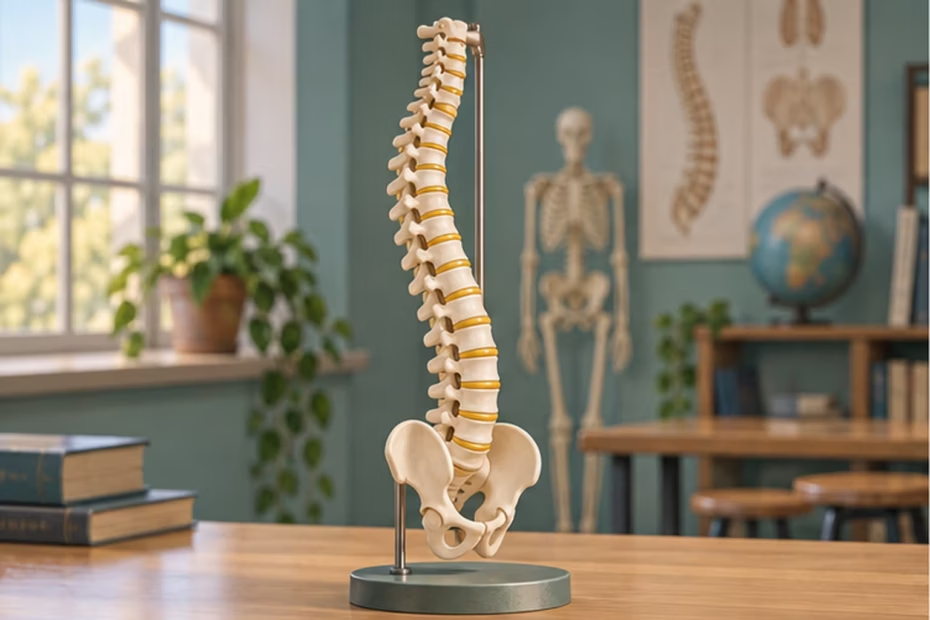
A vertebra is one of the bones making up the spinal column; vertebrae is plural. Together, the vertebral column supports the trunk and helps protect the spinal cord. MedlinePlus describes 26 bones in the adult column when the fused sacrum and coccyx are counted as single bones. Intervertebral discs sit between many vertebrae and help absorb load. The whole column and one vertebra are related but are not interchangeable terms. MedlinePlus: Vertebrae.
Vitreous humor
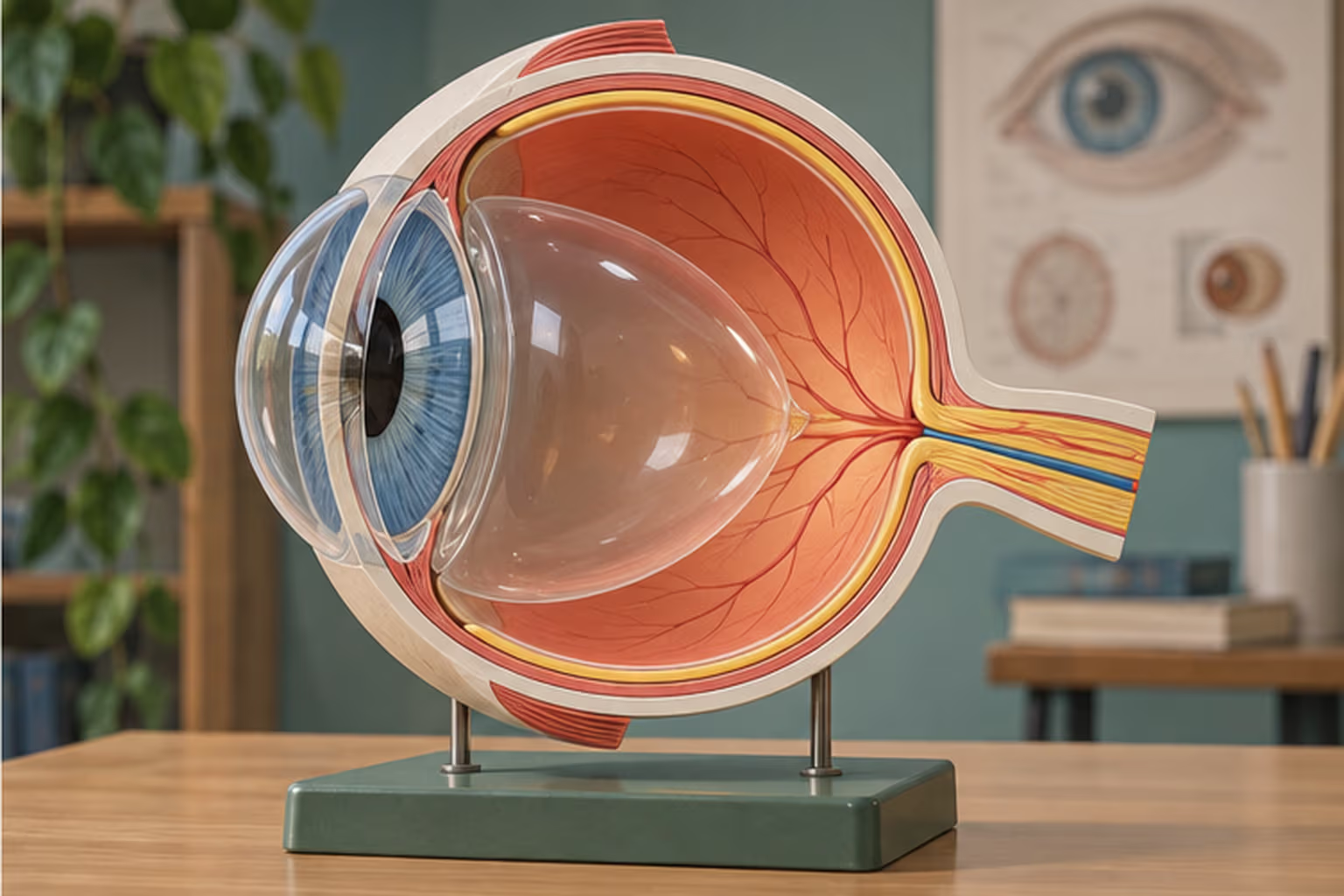
The vitreous, also called vitreous humor, is the clear, gel-like material filling much of the inside of the eye. It is next to the retina, and tiny fibers attach it to the retinal surface. That is more precise than saying the gel simply presses the retina against the back wall. With age, the vitreous can change and separate from the retina; new flashes, many floaters, or a curtain-like shadow warrant prompt professional evaluation. See the National Eye Institute overview of the eye and its page on vitreous detachment.
Vulva and vagina are different structures
The vulva refers to external genital structures, including the labia and the openings of the urethra and vagina. The vagina is the internal muscular canal leading from the vaginal opening toward the cervix. Menstrual flow passes through the vagina, and vaginal birth occurs through this canal. Therefore, a statement that assigns childbirth to the vulva confuses the external region with the internal canal. The urethral opening is separate from the vaginal opening. For a clear overview, see Cleveland Clinic’s vulva anatomy guide.
Vagus nerve
The vagus nerve is cranial nerve X. It carries sensory information and motor signals and contributes parasympathetic signaling involving the heart, lungs, throat, and digestive tract. It has important roles, but it is not a single “master conductor” controlling every body system. The retained source below also links breathing, meditation, and vagal stimulation with broad promises about stress, sleep, depression, and anxiety. Those claims are oversimplified here and should not be read as established treatment guidance; this anatomy article cannot assess or treat those conditions. An anatomy summary is available in NCBI Bookshelf’s review of vagal nerve nuclei.
Two meanings of ventricles
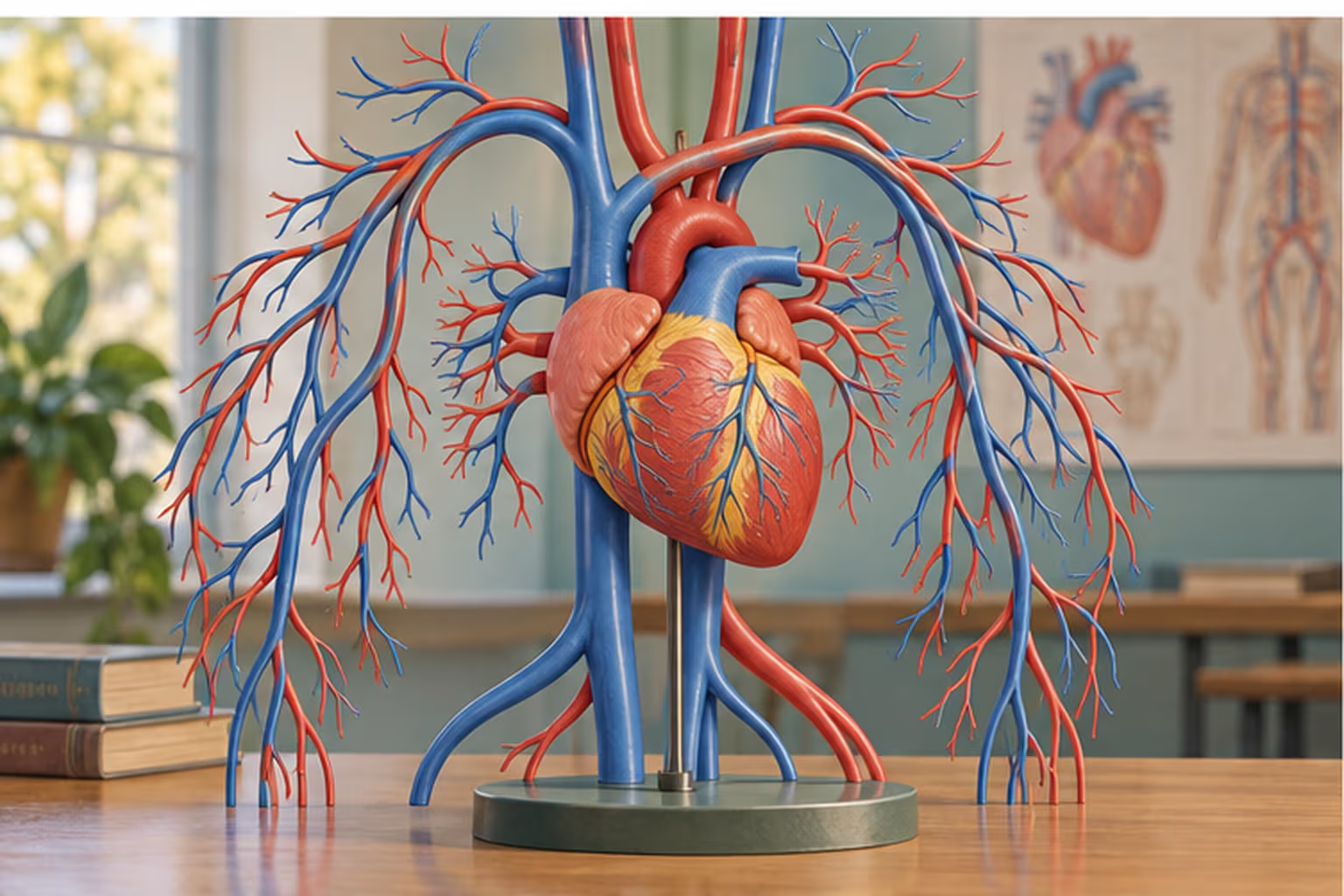
Ventricle names a chamber or cavity, but context matters. The heart has two lower ventricles that pump blood toward the lungs and the rest of the body. The brain has connected ventricles, which are spaces containing cerebrospinal fluid (CSF); they are not heart chambers. Consult NHLBI’s heart anatomy overview and NINDS on brain ventricles and CSF.
Vocal cords, vocal folds, and vasculature
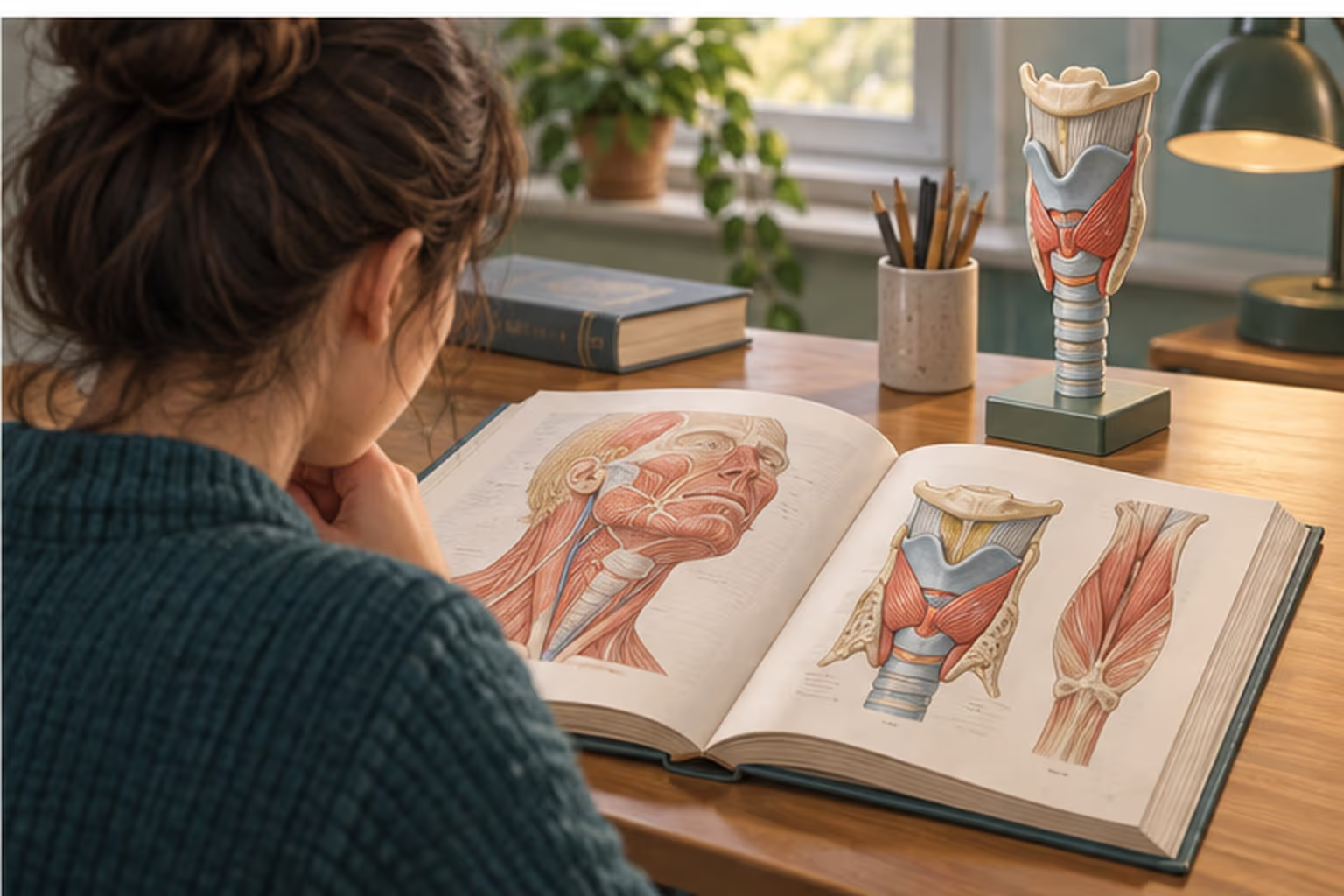
Vocal folds—often called vocal cords—are tissue folds in the larynx. Air passing through them makes them vibrate, producing voice. “Vasculature,” meanwhile, refers collectively to blood vessels such as arteries, veins, and capillaries; it is a network, not one individual vessel. These distinctions make V vocabulary easier to use precisely. The National Institute on Deafness and Other Communication Disorders explains how vocal folds work.
The existing article is retained verbatim below as the source text. Use the corrections above when a simplified sentence in that original conflicts with the distinctions described here.
The vast and intricate tapestry of human anatomy is a captivating realm, with every letter in the alphabet serving as a gateway to a plethora of structures and functions. As we delve into the realm represented by the letter ‘V’, we find ourselves amidst a collection of body parts that, while they may not be frequently at the forefront of our discussions, are undeniably vital to our overall well-being and physiological harmony.
This article invites you on an enlightening expedition through the ‘V’-initiated components of our anatomy. From the vital channels of our veins to the vibrational capacities of our vocal cords, we’ll uncover the essence, roles, and intricate dynamics of these body parts. Step into this exploration of the human body’s components that are heralded by the letter “V,” and deepen your appreciation for these essential anatomical wonders.
Human Body Parts That Start With The Letter V
Navigating the human body’s intricate landscape often reveals surprising insights into structures we might otherwise overlook. As we continue our alphabetic journey, the letter “V” unveils a host of body parts that play pivotal roles in maintaining our health, vitality, and overall well-being. From vessels that carry life-sustaining blood to the delicate visuals that aid our sight, the “V” in human anatomy is both vast and vital. Let’s voyage into the world of body parts that begin with “V.”
Veins
Veins are tubular vessels responsible for transporting deoxygenated blood from various parts of the body back to the heart, with the exception of the pulmonary veins, which carry oxygenated blood from the lungs to the heart. Veins are equipped with valves that ensure one-way blood flow, preventing backflow and aiding the return of blood against gravity, especially in the limbs.

Vertebrae
Forming the vertebral column, or spine, the vertebrae are individual bones that stack upon one another. They provide structural support, protect the spinal cord, and allow for flexibility and movement. The vertebral column is categorized into different sections: cervical, thoracic, lumbar, sacral, and coccygeal, each with its distinct set of vertebrae.

Vitreous Humor
Located within the eye’s main chamber, the vitreous humor is a clear, gel-like substance that helps maintain the eye’s shape and transmits light to the retina. It provides physical stability and ensures the retina remains pressed against the back of the eye, crucial for clear vision.

Vulva
An integral part of the female external genitalia, the vulva encompasses several structures, including the labia majora, labia minora, clitoris, and vaginal opening. It plays roles in sexual function, childbirth, and the excretion of urine.
The Vagus Nerve: Your Body’s Master Conductor

Imagine a single nerve fiber stretching from your brainstem all the way down to your abdomen, influencing countless organs and functions along the way. That’s the incredible feat of the vagus nerve, aptly named the “wandering nerve” for its long and intricate journey through the body. This remarkable nerve is much more than just wires; it’s like a master conductor, orchestrating the smooth működés of your internal systems.
Think of your body as a complex orchestra, where each organ plays a vital role in the symphony of life. The vagus nerve acts as the conductor, sending signals to and from your brain, fine-tuning the performance of your heart, lungs, digestion, immune system, and even your mood and memory. It’s like a two-way street, constantly relaying information about your body’s state to your brain and receiving instructions back to adjust your physiology accordingly.
For example, when you face a stressful situation, your heart rate and breathing quicken. The vagus nerve senses this shift and sends calming signals to your heart and lungs, slowing them down and bringing your body back into balance. Conversely, when you’re relaxed and at ease, the vagus nerve promotes digestion, lowers blood pressure, and even boosts your immune function.
With over 100,000 vagal nerve fibers, it’s no wonder this remarkable nerve is gaining increasing attention in the field of health and wellness. Stimulating the vagus nerve through activities like yoga, deep breathing, and meditation has been shown to reduce stress, improve sleep, and even alleviate symptoms of depression and anxiety.
So, next time you take a deep breath, remember the silent hero working behind the scenes – the vagus nerve. This incredible conductor keeps your body’s orchestra in perfect harmony, ensuring you can live a healthy and vibrant life.
Here are some fun facts about the vagus nerve to share with your kids:
- The vagus nerve is the longest cranial nerve in the body, measuring about 4 feet long!
- It touches or influences almost every organ in the body, except for the spleen and adrenal glands.
- Stimulating the vagus nerve can trigger a “relaxation response,” lowering your heart rate and blood pressure.
The Vasculature of the Abdomen: A Complex Highway of Life

Imagine a bustling metropolis, where cars carrying vital supplies zip through a network of roads to nourish every corner. That’s exactly what the vasculature of the abdomen does for your body! This intricate network of arteries, veins, and capillaries is the lifeline of your digestive organs, kidneys, and other abdominal powerhouses.
A Mighty Aorta Takes Center Stage: The abdominal aorta, the main artery supplying blood to your lower body, runs down the back of your abdomen like a grand highway. Imagine it as a wide six-lane freeway, transporting oxygen-rich blood from your heart at a speed of over 1 meter per second! As it travels, the aorta branches out, sending smaller arteries to nourish each organ like dedicated delivery roads.
Veins: The Return Journey: Just like any bustling city needs a network of side streets to manage traffic flow, the veins in your abdomen play a crucial role. These blood vessels, often compared to rivers, carry deoxygenated blood away from your organs back to your heart. The largest vein, the inferior vena cava, acts like a central vein, collecting blood from all over your abdomen and lower body before returning it to your heart for a fresh oxygen refill.
Tiny Capillaries: The Delivery Network: But the real magic happens at the microscopic level. Millions of tiny capillaries, thinner than a strand of hair, weave through your organs like an intricate spiderweb. These delicate vessels deliver oxygen and nutrients directly to your cells and carry away waste products, ensuring your organs function at their best.
The vasculature of the abdomen is a true marvel of design, constantly working behind the scenes to keep you alive and healthy. So next time you take a bite of food or feel your heart beat, remember this amazing network silently ensuring every part of you thrives!
Here are some fun facts about the vasculature of the abdomen to share with your kids:
- The total length of all the blood vessels in your body, if laid end to end, could stretch around the Earth two and a half times!
- Red blood cells travel through your body about 1 million times in their lifetime, that’s a journey of over 200,000 kilometers!
- The human heart pumps enough blood in a day to fill an Olympic-sized swimming pool!
The Vasculature of the Foot: A Complex Network Keeping You on Your Feet

Every step you take relies on a hidden marvel of engineering: the vasculature of your foot. This intricate network of arteries, veins, and capillaries plays a vital role in delivering oxygen and nutrients to your hardworking foot muscles, bones, and tissues, and carrying away waste products. Let’s explore this fascinating underground world and discover how it keeps you light on your feet!
Arterial supply of the foot
Arteries: Highways of Blood: Imagine two main highways, the dorsalis pedis artery on the top of your foot and the posterior tibial artery on the bottom, bringing oxygen-rich blood from your legs. These arteries branch out like smaller roads, supplying each area of your foot with the fuel it needs to function. The plantar arch, a network of arteries on the sole of your foot, is particularly crucial, distributing blood and supporting weight during standing and walking.
Veins: The Return Route: Just like any bustling city needs a network of side streets to manage traffic flow, the veins in your foot play an equally important role. These blood vessels, often compared to rivers, carry deoxygenated blood and waste products away from your foot back to your heart. The great saphenous vein on the inner leg and the posterior tibial vein on the back of your ankle are like major rivers, collecting blood from smaller veins before sending it back for reoxygenation.
Capillaries: The Microscopic Delivery System: But the real magic happens at the microscopic level. Millions of tiny capillaries, thinner than a strand of hair, weave through your foot like an intricate spiderweb. These delicate vessels deliver oxygen and nutrients directly to your cells and carry away waste products, ensuring your foot muscles and tissues stay healthy and functional.
The vasculature of the foot is a true testament to the body’s amazing design, constantly working behind the scenes to keep you moving. So next time you take a walk or climb a flight of stairs, remember this incredible network silently ensuring every step you take is smooth and effortless!
Here are some fun facts about the vasculature of the foot to share with your kids:
- The total length of all the blood vessels in your body, if laid end to end, could stretch around the Earth two and a half times!
- Red blood cells travel through your body about 1 million times in their lifetime, that’s a journey of over 200,000 kilometers!
- The human heart pumps enough blood in a day to fill an Olympic-sized swimming pool!
The Vasculature of the Knee: Fueling Your Every Move

Imagine a bustling crossroads where vital supplies are delivered and waste is carried away, keeping a busy city alive. That’s exactly what the vasculature of your knee does for this crucial joint, ensuring it has the fuel and resources to perform its amazing feats of movement and stability. Let’s delve into this intricate network of arteries, veins, and capillaries to discover how it keeps your knees happy and healthy!
Arteries of the knee
Highways of Blood: Picture two major highways supplying oxygen-rich blood to your knee: the popliteal artery, coursing behind your knee like a vital artery in a city, and the genicular arteries, branching out like smaller roads to nourish the surrounding muscles, bones, and ligaments. These arteries work tirelessly to keep your knee joint well-oiled and ready for action, whether you’re taking a leisurely stroll or sprinting across the finish line.
Return Routes: Just like any efficient city needs a network of side streets to manage traffic flow, the veins in your knee play an equally important role. These blood vessels, often compared to rivers, carry deoxygenated blood and waste products away from your knee back to your heart. The deep femoral vein, located on the thigh, acts like a central vein, collecting blood from all over your knee before sending it back for reoxygenation.
Microscopic Delivery Network: But the real magic happens at the microscopic level. Millions of tiny capillaries, thinner than a strand of hair, weave through your knee joint like an intricate spiderweb. These delicate vessels deliver oxygen and nutrients directly to your knee cells and carry away waste products, ensuring your cartilage, ligaments, and other tissues stay healthy and functional.
The vasculature of the knee is a true marvel of design, constantly working behind the scenes to keep you moving with ease. So next time you climb a flight of stairs, jump for joy, or simply bend your knee to tie your shoes, remember this incredible network silently ensuring every movement is smooth and supported.
Here are some fun facts about the vasculature of the knee to share with your kids:
- The total length of all the blood vessels in your body, if laid end to end, could stretch around the Earth two and a half times!
- Red blood cells travel through your body about 1 million times in their lifetime, that’s a journey of over 200,000 kilometers!
- The human heart pumps enough blood in a day to fill an Olympic-sized swimming pool!
The Ventricular System: Your Brain’s Hidden Network of Waterways

Imagine a maze of hidden canals coursing through the depths of your brain, carrying a vital fluid that nourishes and protects this delicate organ. That’s the ventricular system, a complex network of interconnected cavities filled with cerebrospinal fluid (CSF), playing a crucial role in your brain’s health and function.
Ventricular system labeled
A Labyrinth of Chambers: Picture four interconnected chambers – the lateral ventricles, nestled deep within each cerebral hemisphere, the third ventricle tucked under the thalamus, and the fourth ventricle at the brainstem’s base. These chambers are like miniature lakes, filled with the clear, watery CSF. Imagine tiny boats (specialized cells called choroid plexus) gently paddling about, constantly producing this precious fluid to bathe and cushion the brain.
A Flowing Highway of Protection: But the ventricular system isn’t just a static network of chambers. The CSF flows smoothly through these interconnected spaces, carried by tiny channels called cerebral aqueducts. This continuous flow provides vital nutrients to your brain cells, removes waste products, and acts like a shock absorber, shielding your brain from bumps and jolts. Think of it as a gentle river washing away toxins and keeping your brain cells happy and healthy.
Protecting Your Precious Brain: The CSF isn’t just a simple liquid; it’s like a superhero for your brain! It contains important chemicals and proteins that help regulate brain pressure, fight infections, and even support the development of your nervous system. So, next time you tilt your head or shake your hair, remember the silent heroes – the ventricles and CSF – silently protecting your brain with every movement.
Here are some fun facts about the ventricular system to share with your kids:
- The CSF is produced at a rate of about 500 milliliters per day – enough to fill a soda can!
- The total volume of CSF in an adult brain is about 150 milliliters, roughly the size of a large coffee mug.
- The brain floats in the CSF, giving it buoyancy and cushioning to protect it from bumps and shocks.
I hope this information helps you and your students learn more about the amazing ventricular system! Remember, even though it’s hidden away, this complex network plays a vital role in keeping your brain happy and healthy.
The Vasculature of the Hip: Fueling Your Every Move

Imagine a bustling crossroads where vital supplies are delivered and waste is carried away, keeping a busy city alive. That’s exactly what the vasculature of your hip does for this crucial joint, ensuring it has the fuel and resources to perform its amazing feats of movement and stability. Let’s delve into this intricate network of arteries, veins, and capillaries to discover how it keeps your hips happy and healthy!
Arterial supply of the hip and pelvis
Highways of Blood: Picture two major highways supplying oxygen-rich blood to your hip: the femoral artery, coursing down your thigh like a main artery in a city, and the external iliac artery, branching out just before your hip like smaller roads to nourish the surrounding muscles, bones, and ligaments. These arteries work tirelessly to keep your hip joint well-oiled and ready for action, whether you’re taking a leisurely stroll or sprinting across the finish line.
Return Routes: Just like any efficient city needs a network of side streets to manage traffic flow, the veins in your hip play an equally important role. These blood vessels, often compared to rivers, carry deoxygenated blood and waste products away from your hip back to your heart. The deep femoral vein, located inside your thigh, acts like a central vein, collecting blood from all over your hip before sending it back for reoxygenation.
Microscopic Delivery Network: But the real magic happens at the microscopic level. Millions of tiny capillaries, thinner than a strand of hair, weave through your hip joint like an intricate spiderweb. These delicate vessels deliver oxygen and nutrients directly to your hip cells and carry away waste products, ensuring your cartilage, ligaments, and other tissues stay healthy and functional.
The vasculature of the hip is a true marvel of design, constantly working behind the scenes to keep you moving with ease. So next time you climb a flight of stairs, jump for joy, or simply bend your hip to tie your shoes, remember this incredible network silently ensuring every movement is smooth and supported.
Here are some fun facts about the vasculature of the hip to share with your kids:
- The total length of all the blood vessels in your body, if laid end to end, could stretch around the Earth two and a half times!
- Red blood cells travel through your body about 1 million times in their lifetime, that’s a journey of over 200,000 kilometers!
- The human heart pumps enough blood in a day to fill an Olympic-sized swimming pool!
I hope this information helps you and your students learn more about the amazing vasculature of the hip! Remember, even though it’s hidden away, this complex network plays a vital role in keeping your hips strong and flexible, allowing you to explore the world with every step.
Let me know if you have any other questions or would like me to add even more fun facts or interesting tidbits about the vasculature of the hip!
The Amazing River System of Your Head: The Vasculature

Imagine your head not just as a container for your thoughts, but as a vibrant city bustling with activity. Just like any bustling city needs a well-planned transportation network, your brain relies on a complex system of tiny highways and waterways called the vasculature. This intricate network of blood vessels ensures a constant flow of oxygen and nutrients to every corner of your head, keeping your mental engines running smoothly.
The two main “arteries” feeding this brain city are the internal carotid arteries, each carrying fresh, oxygen-rich blood from your heart straight to your brain. They branch out like winding roads, supplying different brain regions with their needed fuel. Meanwhile, the vertebral arteries, like two hidden underground tunnels, sneak up through your neck to meet at the base of your brain, forming the basilar artery. This central highway then divides, further nourishing your cerebellum and brainstem.
But it’s not just about big highways. Our brain city also has an extensive network of smaller roads and alleyways called arterioles and capillaries. These tiny vessels, thinner than a strand of hair, weave their way through brain tissue, delivering their precious cargo directly to individual brain cells. It’s like having a personalized delivery service for every neuron! The journey doesn’t end there! Once the oxygen and nutrients are used, the blood, now rich in waste products, flows back through veins, eventually rejoining the highway system and returning to the heart.
So next time you feel a thought spark in your head, remember the silent symphony of your vasculature playing just beneath the surface. It’s this intricate network that fuels every wonder, every dream, and every brilliant idea!
Ventricle (Heart)

The human heart contains two ventricles: the right ventricle and the left ventricle. These muscular chambers receive blood from the heart’s atria and pump it out to various parts of the body. The right ventricle sends deoxygenated blood to the lungs for oxygenation, while the left ventricle pumps oxygen-rich blood to the body’s tissues.
Ventricle (Brain)
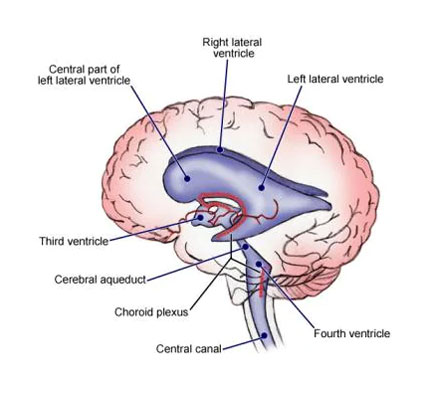
In the brain, ventricles are a connected system of cavities filled with cerebrospinal fluid (CSF). This fluid acts as a cushion, protecting the brain from injury, supplying nutrients, and removing waste. The brain has four ventricles: two lateral ventricles, the third ventricle, and the fourth ventricle.
Vocal Cords

Located in the larynx (voice box), the vocal cords are two flexible bands of muscle tissue responsible for producing sound. When air from the lungs passes through them, they vibrate, generating the voice. The pitch and tone of the sound produced depend on the tension and length of these cords.
Vein of Galen

This is a significant cerebral vein located deep within the brain. Named after the ancient Greek physician Galen, who first described it, this vein plays a vital role in draining blood from the central region of the brain.
Vomer

The vomer is a thin, flat bone that forms the posterior and inferior parts of the nasal septum, separating the left and right nostrils. It contributes to the nasal cavity’s structure and is integral to our nasal passages.
List of Human Body Parts Starting with V
| Vagina | Vagina, Vestibule | Vagus Nerve |
| Vagus Nerve, In Thorax | Vasculature Of Abdomen | Vasculature Of Ankle |
| Vasculature Of Arm | Vasculature Of Foot | Vasculature Of Head |
| Vasculature Of Hip | Vasculature Of Knee | Vasculature Of Leg |
| Vasculature Of Neck | Vasculature Of Pelvis | Vasculature Of Shoulder |
| Vasculature Of Thorax | Veins | Ventricular System |
| Vertebrae | Vertebral Artery | Vertebral Column |
| Vestibule | Vestibulo-Cochlear Nerve | Vein of Galen |
| Ventricle (Brain) | Ventricle (Heart) | Vitreous Humor |
| Vulva | Vocal Cords | Vomer |
Conclusion
The realm of “V” in human anatomy is diverse, featuring parts that are indispensable to our survival, function, and experience of the world. From the veins that circulate our lifeblood to the vocal cords that allow us to communicate our emotions and ideas, each body part starting with “V” is a testament to the body’s elegance and complexity. As we continue to venture into the vast territories of our anatomy, each letter reminds us of the miracles housed within our own bodies, awaiting discovery and appreciation.
Human Body Parts That Start With
A | B | C | D | E | F | G | H | I | J | K | L | M | N | O | P | Q | R | S | T | U | V | W
Quick review
- A vertebra is one bone; vertebrae form the vertebral column.
- The vitreous is transparent gel inside the eye.
- The vulva is external anatomy; the vagina is an internal canal.
- Heart ventricles pump blood; brain ventricles contain and route CSF.
- Vocal folds vibrate in the larynx to produce voice.